
The allure of shimmering blue water right in your backyard is a classic pillar of the modern dream home. An inground pool is more than just a place to cool off on a scorching afternoon; it is a permanent architectural extension of your living space, a visual centerpiece, and a hub for family memories. However, leaping from a blank canvas of grass to a custom aquatic oasis requires careful planning. Designing your perfect inground pool is a balancing act of aesthetics, engineering, and lifestyle integration.
To ensure your investment delivers both long-term happiness and enduring property value, you must approach the project with a structured vision. By breaking the process down into key phases—defining the layout, picking the foundational materials, and aligning with the right construction experts—you can navigate the complexities of backyard transformation with absolute confidence.
Assessing Layout, Aesthetics, and Lifestyle Integration
Before looking at water features or tile colors, you must evaluate how you intend to use the space. A pool designed for a competitive swimmer looking to log early-morning laps looks fundamentally different from a pool designed for a family with young children who require shallow wading areas. Begin by auditing your lifestyle. If entertainment is your primary goal, your design should emphasize expansive pool decks, integrated seating ledges, and perhaps a swim-up bar. Conversely, if you view your pool as a tranquil sanctuary for relaxation, a minimalist architectural style with natural stone and a soothing waterfall might be more appropriate.
Simultaneously, the physical realities of your backyard will dictate your layout options. Topography, soil type, sun exposure, and mature trees all influence placement. You will want to position the pool where it catches maximum sunlight during peak swimming hours while maintaining a harmonious flow with your existing patio or landscaping. Additionally, do not forget local zoning laws and setbacks. Property lines, utility easements, and strict municipal building codes determine exactly where the excavation can occur. Factoring these spatial boundaries into your initial concept prevents costly redesigns later in the process.
Choosing the Right Materials for Longevity and Style
Once you establish the footprint and shape of your pool, the next critical decision centers on the structural medium. Inground pools are primarily built using one of three materials: concrete (gunite), fiberglass, or vinyl liner. Each material offers distinct advantages regarding installation timelines, customization potential, and maintenance requirements.
Concrete is the gold standard for pure customization. Because it is poured on-site over a steel framework, it can be sculpted into absolutely any shape, depth, or configuration imaginable. It integrates seamlessly with premium finishes like exposed aggregate or glass tiles, making it the preferred choice for high-end luxury designs. However, concrete requires a longer installation period and more intensive long-term chemical management.
Fiberglass pools, on the other hand, are pre-manufactured shells delivered directly to your home. They boast a smooth, algae-resistant surface and can be installed rapidly, though you are limited to the specific shapes and sizes produced by manufacturers. Vinyl liner pools represent a cost-effective middle ground, offering smooth surfaces and flexible dimensions, but the liner will inevitably require replacement every one to two decades.
Partnering with Professionals to Bring the Vision to Life
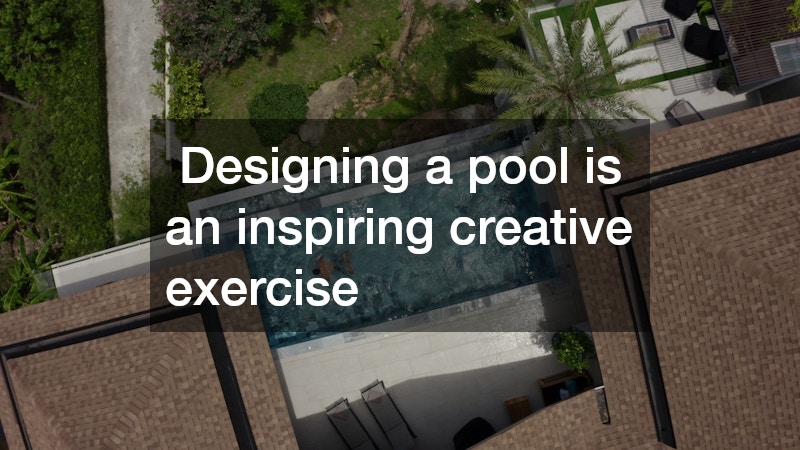
Designing a pool is an inspiring, creative exercise, but executing that design safely and legally requires deep technical expertise. This is where researching and vetting local pool companies becomes the most crucial step of your entire journey. Building an inground pool involves complex civil engineering, hydraulic design, electrical wiring, and heavy excavation. A mistake in plumbing layout or soil compaction can lead to structural failures that cost thousands of dollars to rectify down the road.
When interviewing a pool company, look far beyond the initial price estimate. Request a comprehensive portfolio of their past custom projects, ask for recent client references, and verify that they carry robust liability insurance and valid state licensing. Reputable builders will provide a transparent, line-itemized contract and a realistic construction timeline.
Furthermore, the best pool companies will act as collaborative partners. They will look at your initial sketches, cross-reference them with your yard’s specific soil composition and utility lines, and offer invaluable feedback on how to optimize your filtration systems, energy-efficient pumps, and automation features. Embracing professional guidance ensures your custom design translates flawlessly into a durable, breathtaking backyard retreat.