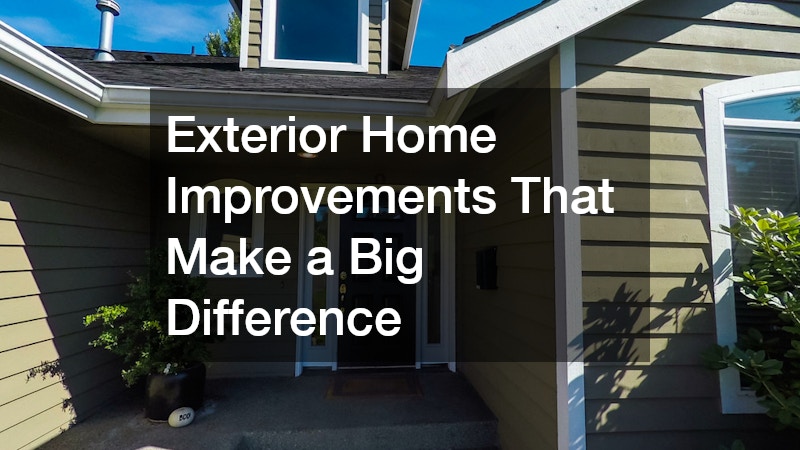
Exterior home improvements are one of the most effective ways to increase durability, functionality, and long-term value in a property. A well-planned exterior helps protect the home from weather damage while also improving its overall appearance and usability. Many homeowners begin with structural assessments or visual upgrades that immediately change how the property performs and looks from the outside. Working with a roofing contractor can help identify early signs of wear that may not be visible from the ground, ensuring that roofing issues are addressed before they become costly repairs.
At the same time, improving drainage systems with gutter guard services can reduce maintenance and prevent water damage caused by clogged gutters. Updating exterior walls with residential siding also plays a major role in improving insulation and refreshing the overall look of the home. These foundational improvements set the stage for a stronger, more efficient exterior that supports all other outdoor enhancements. A full exterior strategy also considers how each system interacts with the others. Roofing, drainage, walls, landscaping, and hardscape features all affect performance in different ways. When one area fails, it often creates issues elsewhere, such as water intrusion, soil erosion, or structural wear. That is why a complete approach to exterior home improvements is more effective than isolated upgrades. It allows homeowners to build a long-lasting system rather than reacting to problems as they appear.
Strengthening the Home’s Structural Exterior
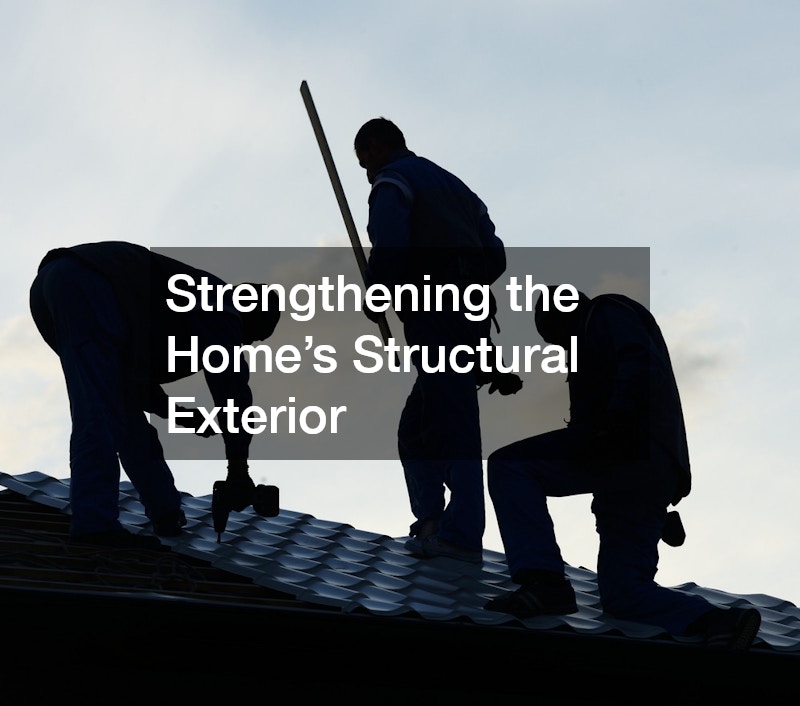
A strong exterior begins with structural integrity. The roof, walls, and protective systems all work together to shield the home from environmental stress. Over time, exposure to sun, rain, wind, and seasonal temperature shifts can weaken materials and reduce efficiency. Even small issues like missing shingles or minor siding gaps can lead to larger problems if left unaddressed. One of the most important steps in this process is ensuring that the roof is properly maintained and repaired when needed. A roofing contractor plays a critical role in evaluating shingle condition, detecting leaks, inspecting flashing, and recommending repairs that protect the entire structure.
When roofing systems are kept in good condition, the rest of the home benefits from improved insulation, reduced moisture exposure, and better energy efficiency. A well-maintained roof also helps regulate indoor temperatures, which can reduce strain on heating and cooling systems. Structural improvements also extend to exterior wall systems. Residential siding provides a protective barrier that shields the home from wind, moisture, and temperature fluctuations. It also plays a major role in curb appeal, giving the home a refreshed and modern appearance. Upgrading siding materials can improve insulation performance and reduce long-term maintenance needs. When installed correctly, siding acts as a first line of defense that preserves the integrity of the home’s framing and interior systems.
Improving Weather Protection and Drainage Systems
Water management is one of the most critical aspects of exterior home care. Without proper drainage, even moderate rainfall can lead to significant damage over time. Overflowing gutters, pooling water near foundations, and uncontrolled runoff can all contribute to erosion, mold growth, and structural deterioration. These issues often develop slowly, making them easy to overlook until damage becomes severe. Installing gutter guard services is an effective way to maintain consistent water flow and prevent debris buildup. Leaves, twigs, and dirt are common causes of clogged gutters, especially in wooded or seasonal environments. By reducing blockages, gutter protection systems help ensure that water is properly directed away from the home.
This protects roofing edges, siding, and foundation areas from unnecessary exposure. It also reduces the need for frequent gutter cleaning, which improves safety and convenience for homeowners. Proper drainage extends beyond gutters alone. The grading of the yard, downspout placement, and soil composition all influence how water moves around the property. When these systems are not aligned correctly, water can collect in unwanted areas and cause long-term damage. Addressing these issues as part of a broader exterior improvement plan ensures that the entire property functions as a cohesive system.
Enhancing the Home Exterior with Surface Upgrades
Exterior surfaces contribute significantly to both appearance and performance. Over time, exposure to UV rays, moisture, and debris can cause fading, cracking, and general wear. These changes not only affect aesthetics but can also reduce the protective capabilities of exterior materials. Installing or upgrading residential siding is one of the most effective ways to restore and enhance the home’s exterior. Modern siding materials are designed to resist weather damage, improve insulation, and require less maintenance than older options. This makes them a practical long-term investment for homeowners looking to improve both appearance and performance.
A refreshed exterior can also increase property value and improve first impressions. Surface upgrades are not limited to vertical structures. Horizontal surfaces such as porches, entryways, and exterior trim also play a role in the overall design. When these elements are updated together, the home appears more cohesive and well-maintained. Attention to detail in these areas helps create a polished finish that enhances the entire property.
Creating Functional Outdoor Living Spaces
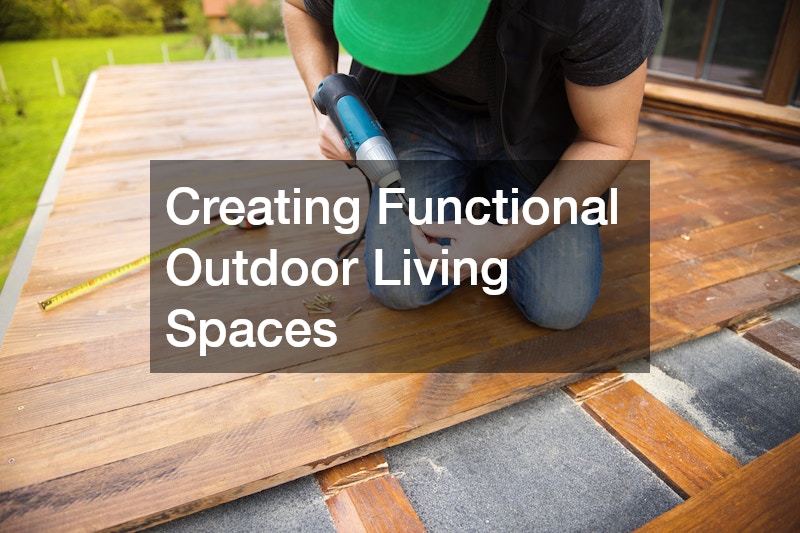
Outdoor living areas extend the usable space of a home and provide opportunities for relaxation and entertainment. These areas have become increasingly important as homeowners look for ways to enjoy their property more fully. A well-designed outdoor space can function as a dining area, gathering space, or quiet retreat depending on its layout and features. Working with a patio contractor allows homeowners to design durable outdoor spaces that match their lifestyle needs.
Material selection, layout design, and structural support all play important roles in creating a functional patio. Proper installation ensures that the space remains stable and usable throughout changing weather conditions. A well-built patio also integrates seamlessly with surrounding landscaping and architectural features. Outdoor living improvements are most effective when they are part of a broader design strategy. When patios connect naturally with walkways, gardens, and seating areas, they create a smooth transition between indoor and outdoor environments. This integration improves usability and enhances the overall flow of the property.
Landscaping and Outdoor Design Improvements
Landscaping is one of the most visible and impactful components of exterior home design. It shapes how the property is perceived while also influencing drainage, usability, and environmental health. A well-planned landscape improves curb appeal while also supporting long-term maintenance efficiency. A landscaping service helps homeowners design and maintain outdoor environments that balance aesthetics and function. This includes selecting appropriate plants, managing soil conditions, and creating layouts that enhance movement and usability.
Proper landscaping can also reduce erosion and improve natural water absorption, supporting the overall drainage system of the property. In addition to plant-based design, landscaping often includes structural elements such as pathways, retaining walls, and garden borders. These features help organize outdoor spaces and create visual structure. When combined with other exterior improvements, landscaping becomes the connecting element that ties the entire property together.
Managing Trees for Safety and Property Health
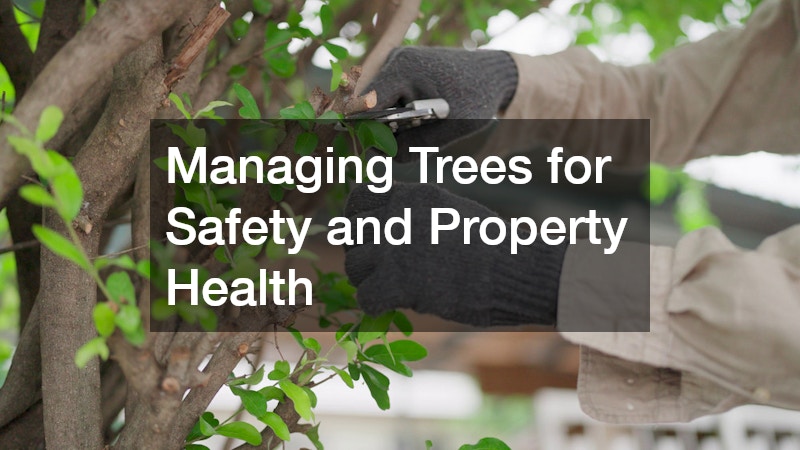
Trees are valuable assets to any property, but they require ongoing maintenance to remain safe and healthy. Without proper care, trees can become overgrown, diseased, or structurally unstable. These issues can create risks for both the home and surrounding areas. A tree service provides essential care including pruning, trimming, and health assessments. Regular maintenance helps prevent branches from interfering with structures or power lines.
In cases where trees pose a safety hazard, tree removal may be necessary to protect the property. Removing unstable or damaged trees helps reduce risk and opens space for new landscaping opportunities. Professional consultation ensures that the removal process is conducted safely and effectively. After removal, stump grinding is often used to eliminate remaining root systems. This process restores usable land and prevents issues such as pest infestations or regrowth. Clearing stumps also improves the appearance of the yard and prepares the area for future improvements.
Defining Boundaries with Fencing and Outdoor Structure
Fencing plays an important role in both security and design. It establishes clear property boundaries while also contributing to privacy and visual structure. A well-designed fence can enhance the appearance of a home while also serving practical purposes. Fence installation helps create organized outdoor spaces by defining edges and separating functional areas. This can be especially useful for homes with pets, gardens, or multi-use yards.
A properly installed fence also increases security by limiting access to the property. Fencing works best when it is integrated with landscaping and other exterior upgrades. When combined with thoughtful design elements, it becomes part of a larger visual system that improves both function and appearance.
Additionally, choosing the right materials and styles for fencing can significantly impact not only the aesthetic appeal but also the longevity and durability of the installation. Materials such as wood, vinyl, metal, and composite each have distinct characteristics, offering varying levels of maintenance, aesthetics, and cost-effectiveness. Selecting the appropriate combination of materials and design can tailor the fencing solution to the specific needs and preferences of the homeowner, ensuring a harmonious blend with the existing environment.
Driveways and Hardscape Improvements
Driveways are one of the most frequently used surfaces on any property. Over time, they experience wear from weather exposure, vehicle traffic, and temperature changes. Cracks, fading, and uneven surfaces can develop if maintenance is not performed regularly. Asphalt paving provides a durable and smooth surface that improves both appearance and usability.
A well-installed driveway enhances accessibility while also contributing to the overall visual appeal of the property. It creates a clean, finished look that complements other exterior improvements. Hardscape features such as driveways, walkways, and entry paths play a key role in the overall structure of the exterior environment. When designed thoughtfully, they guide movement through the property and create a sense of organization and flow.
Integrating Exterior Improvements for Long-Term Value
The most effective exterior upgrades are those that work together as part of a complete system. Structural improvements, drainage solutions, landscaping, outdoor living spaces, and hardscape features all contribute to long-term performance. When these elements are coordinated, they create a more efficient and resilient property. A unified approach ensures that each improvement supports the others. Proper drainage protects landscaping, strong roofing supports siding, and well-designed outdoor spaces enhance overall usability. This interconnected system reduces long-term maintenance and improves overall durability.
Exterior home improvements make a significant difference in both the appearance and performance of a property. From structural upgrades and drainage systems to landscaping, outdoor living spaces, fencing, and paved surfaces, each element plays a role in creating a stronger and more functional home. When planned together, these improvements form a cohesive system that enhances durability, efficiency, and long-term value. Investing in comprehensive exterior upgrades ensures that the home remains protected, visually appealing, and highly functional for years to come.
One of the most impactful exterior improvements is the enhancement of outdoor spaces. Transforming patios, decks, or backyards into inviting and practical areas extends the living space beyond the interior of the home. By incorporating features like fire pits, seating areas, and walkways, homeowners are not only able to enjoy the beauty of their surroundings but also significantly boost their property’s entertainment and relaxation capabilities. This harmonious blend of functionality and aesthetics significantly raises the property’s marketability and overall appeal.
Additionally, upgrading and maintaining exterior surfaces such as siding, roofing, and driveways play a crucial role in the home’s durability and protection against the elements. High-quality materials and professional installations ensure that these surfaces can withstand harsh weather conditions over time. Renovated driveways and well-maintained roofs not only improve the visual impact of the property but also safeguard against potential damage that could lead to costly repairs. Moreover, these improvements contribute to energy efficiency by enhancing insulation and reducing heat transfer, resulting in reduced utility costs.
Landscaping equally holds a key position in exterior home improvements. Proper landscaping can effectively manage water flow and prevent erosion, thus preserving the integrity of the property’s foundation. Incorporating strategically placed trees, shrubs, and plants can also provide shade, privacy, and natural beauty. Furthermore, landscape lighting enhances safety and extends usability into the evening hours. A thoughtfully designed landscape not only complements the architectural style of the home but also fosters a welcoming environment that reflects the homeowner’s personal taste and pride.