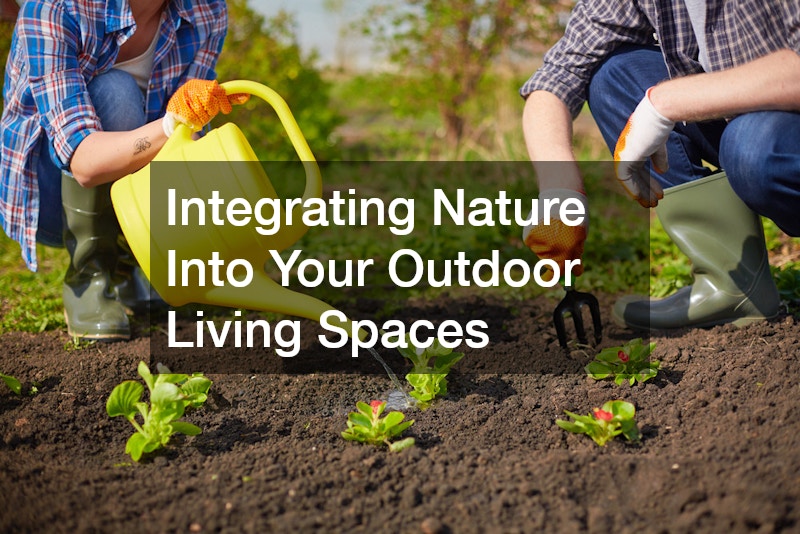

The modern outdoor space is undergoing a profound transformation. For decades, residential yard design leaned heavily toward rigid hardscaping, expansive concrete slabs, and pristine, heavily partitioned zones that separated human living spaces from the wild environment. Today, however, homeowners and landscape designers alike are embracing a more holistic philosophy centered around biophilic design—the practice of connecting human daily life with the natural world.
Integrating nature directly into your outdoor living areas goes far beyond simply placing a few potted plants on a deck. It requires a intentional, step-by-step approach that merges structural comfort with organic vitality. When executed thoughtfully, a integrated yard becomes a living sanctuary. It cools the ambient microclimate around your home, creates vital habitats for local wildlife, improves air quality, and provides a deeply restorative environment for relaxation and gathering.
Achieving this balance requires looking at your property as an interconnected ecosystem where indoor comfort, lawn health, structural backdrop, canopy shade, and native plantings work together. Whether you are starting with a blank suburban lot or looking to revitalize a mature residential yard, blending built structures with living elements requires careful planning, sustainable practices, and strategic design choices. This guide breaks down the essential steps to transform your property into an inviting, nature-infused retreat.
Transforming Transition Zones into Green Havens
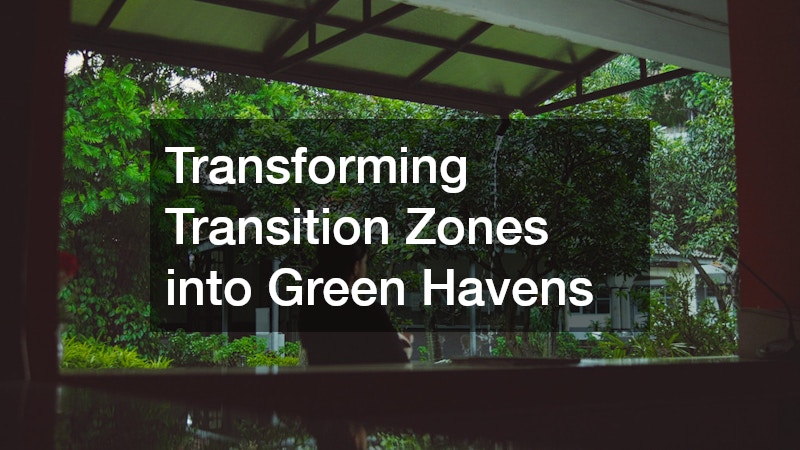
Transition zones act as the crucial interface between the built structure of a house and the raw beauty of the outdoor environment. When designed thoughtfully, these spaces soften the architectural lines of your home and invite the sights, sounds, and smells of nature right to your doorstep. The key to mastering this transition is creating a sense of visual continuity that draws the eye seamlessly from interior rooms out into the landscape.
One effective approach involves integrating living elements directly into semi-sheltered structural areas. For example, enclosed patios can be transformed into a thriving temperate sanctuary by layering shade-tolerant foliage, hanging ferns, and climbing vines along interior pillars and window frames. By utilizing large terra-cotta planters, stone troughs, and vertical wall planters inside these transitional spaces, you effectively blur the boundary between indoor shelter and outdoor nature. Air circulation, indirect sunlight, and temperature modulation in these areas allow delicate plant species to flourish while creating a peaceful, climate-controlled vantage point from which to enjoy the broader yard.
Equally important to transition design is how you manage property boundaries and structural backdrops within view of these seating areas. Rather than allowing stark perimeter walls to dominate the visual landscape, home architects often suggest framing the yard with neutral, clean backdrop materials. Utilizing clean, modern vinyl fencing provides an exceptional, low-maintenance canvas against which vibrant green leaves, colorful seasonal flowers, and dark hardwood mulches visually pop. Unlike traditional timber, which can warp or require frequent chemical staining, a smooth synthetic backdrop stays pristine, reflecting natural sunlight into shaded corners of the yard and emphasizing the rich textures of nearby climbing hydrangeas, ivy, or potted bamboo.
To optimize these transition zones, consider the following design principles:
- Choose container plants with varying leaf textures and variegated patterns to create visual interest against static structural backdrops.
- Incorporate natural stone or timber furniture elements that complement the surrounding greenery rather than competing with it visually.
- Position seating arrangements to face outward toward primary garden features, maximizing line-of-sight exposure to natural light and seasonal plant movement.
Cultivating a Vibrant Turf Foundation for Natural Foot Traffic

A thriving, resilient lawn serves as the functional anchor of any outdoor living space. Far more than just a monochromatic backdrop, a healthy turf grass system acts as a living carpet that cools ambient air temperatures, suppresses dust, and absorbs heavy rainfall before it can erode delicate topsoil. Achieving a vibrant, soft lawn requires a deep understanding of soil mechanics, climate variations, and proper seed choice.
The foundation of any successful lawn restoration or establishment project begins with choosing the appropriate genetic varieties for your microclimate. Distributing high-quality grass seed tailored to your site’s specific sunlight, moisture, and soil conditions ensures long-term resistance against drought, heavy foot traffic, and fungal pathogens. Cool-season grasses like turf-type tall fescue and Kentucky bluegrass thrive in northern climates with shaded canopies, while warm-season varieties like Zoysia and Bermuda excel under intense summer sun. Proper overseeding in late summer or early spring fills in bare patches, increases lawn density, and creates a tight root barrier that naturally outcompetes opportunistic weed species without heavy reliance on harsh interventions.
However, planting high-grade seed is only half the equation; sustaining long-term turf health requires balanced, season-specific nutrient management. Enlisting professional fertilizing services ensures that your lawn receives tailored applications of nitrogen, phosphorus, and potassium calibrated to your soil’s specific pH and nutrient profile. Over-application of off-the-shelf fertilizers can scorch root systems and cause chemical runoff into local waterways, whereas precise, slow-release formulas nourish the soil microbiome. A structured nutrition plan encourages deep root penetration, helping the grass withstand extreme heat waves while maintaining a deep, rich green color throughout the growing season.
To establish a durable, high-density turf system, integrate these core lawn maintenance practices:
- Perform core aeration annually prior to overseeding to relieve soil compaction and improve water penetration directly to the root zone.
- Conduct a comprehensive soil test every two to three years to monitor pH balance and adjust micro-nutrient levels accurately.
- Adjust mower deck height to leave grass slightly taller during summer months, which shades the soil, conserves moisture, and prevents root stress.
Designing Multi-Tiered Plant Beds for Year-Round Biodiversity
Nature rarely arranges itself in single, flat planes. True forest edges and wild meadows thrive on structural diversity, where plants of varying heights, shapes, and lifecycles intersect to create rich, biodiverse environments. Bringing this natural balance into a residential yard involves establishing multi-tiered plant beds that mimic native ecosystem structures. By layering groundcovers, herbaceous perennials, mid-story shrubs, and small understory trees, you create a dynamic visual landscape that changes with every passing season.
When choosing species for a multi-tiered garden, prioritizing native foliage is essential for supporting local wildlife and ensuring long-term plant hardiness. Visiting a well-stocked local garden center provides valuable insight into which species are indigenous to your region and best suited for your soil type. Native perennials such as coneflowers, black-eyed Susans, and milkweed attract native pollinators, birds, and beneficial insects, turning your garden into an active habitat. Furthermore, sourcing healthy, regionally acclimated specimens ensures higher survival rates and lower water requirements once plants are fully established in your outdoor layout.
For complex residential sites involving dramatic slope changes, poor drainage, or expansive square footage, executing a cohesive plant layout can be challenging. Partnering with professional landscaping services allows you to turn conceptual designs into structural reality. Expert landscape designers possess the technical knowledge needed to grade slopes effectively, design efficient drip irrigation systems, and arrange plant groupings according to mature size and light requirements. Their systematic approach prevents overcrowding, minimizes future pruning demands, and ensures that hardscape elements like stone pathways and retaining walls blend naturally into the surrounding vegetation.
Consider these strategic tips when building multi-tiered garden beds:
- Group plants with similar water and light requirements into dedicated hydrozones to streamline irrigation efficiency and prevent root rot.
- Arrange plants by mature height, placing tall ornamental grasses and structural shrubs at the back and low-growing groundcovers along the front border.
- Mix evergreen shrubs with deciduous perennials to maintain structural greenery and visual interest during cold winter months.
Pruning and Protecting Existing Canopy Trees for Balanced Shade
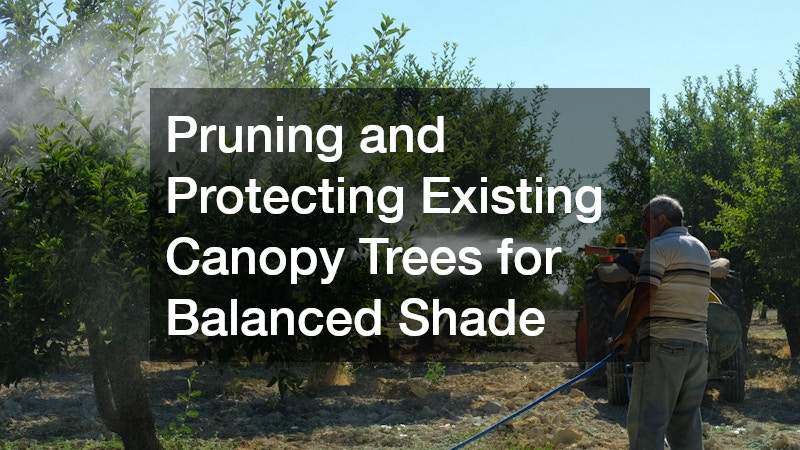
Mature canopy trees are the undisputed pillars of a well-integrated outdoor space. They provide vital shade that lowers ambient backyard temperatures, frame scenic views, and create an overhead ceiling that makes outdoor living areas feel cozy and secure. However, large trees also compete with understory plants for sunlight and nutrients, and unmaintained branches can pose serious structural risks to nearby living areas during severe weather. Achieving a harmonious balance between natural shade and necessary sunlight requires thoughtful canopy management.
Properly pruning large trees allows filtered, dappled sunlight to penetrate down to lawn areas and flowerbeds below without sacrificing the cooling benefits of overhead shade. Contracting licensed tree services ensures that delicate operations like crown thinning, crown lifting, and deadwood removal are executed safely and scientifically. Crown thinning removes particular interior branches to reduce wind resistance and increase light penetration, allowing turf grasses and shade-tolerant perennials beneath the tree canopy to thrive. Removing lower branches—known as crown lifting—opens up ground-level sightlines, creating a more spacious feel throughout the yard.
Beyond routine pruning, protecting long-term tree health requires ongoing monitoring for signs of disease, structural decay, and pest infestations. Working alongside an established tree care company guarantees that your valuable mature specimens receive comprehensive diagnostic care. Professional arborists can identify subtle signs of internal rot, soil compaction, or root girdling before they cause irreversible damage or hazard conditions. Through deep-root fertilization, soil decompaction, and targeted pest management, experts preserve the longevity of these structural giants, ensuring they continue to anchor your natural space for generations.
Follow these essential protocols for canopy tree stewardship:
- Keep mulch at least three to four inches away from the trunk base to prevent moisture accumulation and bark rot.
- Avoid heavy equipment operation or high-volume foot traffic directly over root zones to prevent severe soil compaction.
- Inspect tree canopies after major storm events for cracked limbs, hanging branches, or altered lean patterns that require immediate attention.
Creating Functional Borders That Respect the Local Wildlife Corridor
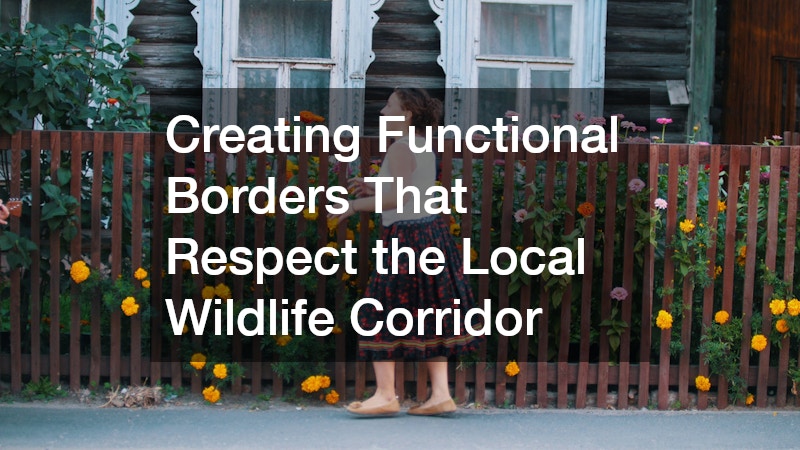
Defining the edges of your outdoor living space is essential for creating privacy, security, and visual structure. However, rigid boundaries that completely sever the connection between your yard and the broader ecosystem can disrupt local wildlife pathways and create an artificial, boxed-in feeling. Designing functional perimeter borders involves balancing security with ecological awareness, ensuring that your property remains protected while integrating seamlessly with surrounding nature.
A major challenge in maintaining clean, vibrant property borders is keeping invasive plants and aggressive weeds from invading your garden beds and lawn edges. Utilizing an eco-conscious weed control service helps eliminate nuisance species without harming beneficial soil microbes or nearby native flora. Professional weed management protocols utilize targeted pre-emergent barriers and strategic spot treatments to suppress persistent weeds like crabgrass, dandelions, and bindweed. By keeping invasives in check around perimeter lines, your cultivated plants have room to thrive without suffering from aggressive nutrient and water competition.
When physical barriers are required for privacy or pet containment, choosing the right installation partner is critical. Experienced fencing services can help you choose and install boundary structures that accommodate natural wildlife movement while satisfying your aesthetic goals. Options like decorative iron with bottom clearance gaps, post-and-rail designs with integrated wire mesh, or open lattice toppers allow small creatures, pollinators, and natural breezes to pass through freely. When paired with native climbing vines or perimeter shrub hedges, structural fencing transitions from an abrupt wall into a soft, living screen that frames your private haven.
Implement these practical ideas for sustainable perimeter management:
- Apply a thick layer of organic wood mulch along border beds to naturally suppress weed germination and preserve soil moisture.
- Incorporate native berry-producing shrubs along fence lines to provide natural food sources and nesting sites for local songbirds.
- Leave subtle gaps or raised passages along the base of solid boundary structures to preserve natural small-animal corridors across property lines.
Integrating nature into your outdoor living space is not a single weekend project, but an evolving journey of environmental stewardship and creative design. By breaking down rigid boundaries between shelter and landscape, you transform an ordinary yard into a dynamic biophilic sanctuary. From the structural harmony of transition zones to the rich biodiversity of tiered plant beds and healthy turf foundations, every thoughtful intervention brings your home closer into alignment with the natural world.
As you embark on upgrading your outdoor areas, remember that balance and patience are your most valuable tools. Start by addressing one specific area—whether that means improving soil health, thinning an overgrown canopy, or softening structural edges with native plantings—and allow your vision to unfold organically over time. Working alongside nature rather than trying to overpower it yields an outdoor haven that grows richer, more resilient, and more inspiring with each passing season. In doing so, you create a restorative retreat that offers endless daily comfort while nurturing the broader ecosystem right outside your door.