When it comes to maintaining your well system, replacing your well pump can be a significant decision. Understanding the key factors to consider can save you time, money, and potential issues down the road. In this article, we will explore three important questions to ask before making the replacement.
Your well system is a vital component in ensuring access to clean water for your household. Therefore, making an informed decision about your well pump will ensure that your water supply remains uninterrupted and cost-effective in the long run.
1. What is the Age of Your Current Well Pump?
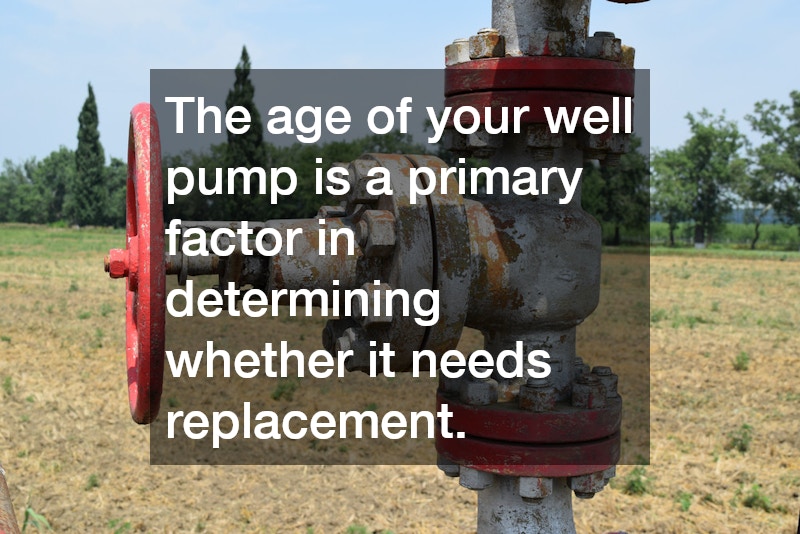
The age of your well pump is a primary factor in determining whether it needs replacement. Usually, well pumps have an average lifespan of 8 to 15 years, depending on usage and maintenance. A well pump that is approaching or has exceeded this lifespan may be prone to frequent breakdowns, indicating wear and tear. Regular maintenance and inspections can extend the lifespan of your pump, but eventually, replacement becomes inevitable. By assessing the age, you prevent unexpected failures that can disrupt your water supply and necessitate emergency replacements.
While age provides a useful benchmark, not all pumps exhibit signs of aging at the same rate. Factors like water quality, installation conditions, and the operational efficiency of the pump can all influence its longevity. Pumps working in harsher conditions might age faster due to greater wear from mineral build-up or debris that they process. Furthermore, inconsistency in water pressure can also signal that the internal components of the pump are wearing out due to age. Recognizing these signs early can help homeowners budget and plan for a timely replacement.
2. Are There Signs of Pump Failure?
Detecting the signs of pump failure early can help avoid complete system breakdowns that may lead to costly repairs or replacements. Common symptoms include inconsistent water pressure, strange noises from the pump, and high electricity bills. These issues often indicate that the pump is overworking to compensate for declining efficiency. Water quality issues like murky water or the presence of visible particulates may also signal pump wear. Addressing these symptoms promptly can reduce the risk of significant damage and help determine whether a repair or replacement is necessary.
Another sign of pump issues is frequent cycling, where the pump turns on and off more often than usual. This can be caused by a loss in pressure or a malfunctioning pressure switch, indicating underlying mechanical issues. Noise, such as a loud humming or grinding sound, suggests that internal components like bearings might be wearing out. Regular maintenance can prevent these problems or catch them early before they necessitate more serious intervention. Conducting routine check-ups can maximize the pump’s lifespan while ensuring its proper operation.
High electricity bills can also be an indicator of pump problems, as inefficiencies force the pump to work harder. A sudden increase in energy usage may suggest that the pump is struggling due to mechanical failure. Transitioning to a more energy-efficient model can eventually offset the replacement cost by saving on energy bills. Comparing the cost of immediate repair with potential long-term savings can guide an informed replacement decision. Ensuring consistent monitoring and addressing issues promptly can minimize disruptions in water supply.
3. What is the Cost of Replacement Compared to Repair?
Making an informed decision about whether to repair or replace your well pump involves a comprehensive analysis of costs. Replacement might involve higher initial expenses, but ongoing savings from reduced repairs and increased efficiency can justify this investment. Consideration should also be given to the frequency and cost of recent repairs, which might indicate that a complete replacement could be more economical. With technological advancements, a new pump could offer superior performance and lower energy consumption, outweighing its upfront cost over time. Proper assessment of costs and potential savings requires careful evaluation and comparison of past repair records and utility bills.
Moreover, the financial implications of replacement versus repair must factor in potential disruptions associated with each option. A failing pump can cause more significant disruptions and water supply issues, imposing indirect costs on a household. In contrast, planning for a replacement allows better scheduling and a more seamless transition. Taxes, warranties, and possible rebates for energy-efficient models can also sway the cost dynamics. Balancing these variables ensures that the chosen option aligns both economically and functionally with household requirements.
Before deciding to replace your well pump, it is essential to consider these three important questions thoroughly. Doing so can lead to a more informed and cost-effective decision, ensuring your water supply remains reliable. Assessing the age of your current well pump, identifying signs of failure, and evaluating the costs of replacement versus repair form the cornerstone of making the right choice. With thorough attention and planning, homeowners can avoid unnecessary disruptions and maintain a consistent water supply. Ultimately, an informed decision will safeguard against premature replacement while optimizing the efficiency and longevity of the water system.