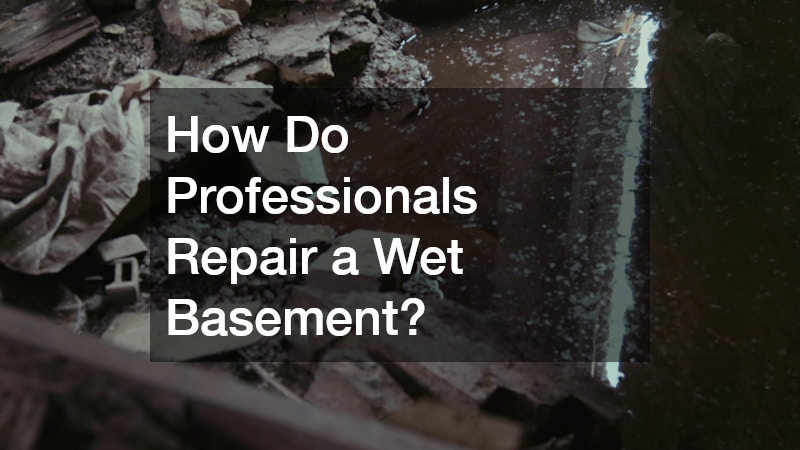
A wet basement is more than an inconvenience. Moisture problems can lead to mold growth, structural damage, unpleasant odors, and ruined belongings if left untreated. Water entering a basement often signals an underlying issue that requires more than a quick fix. While homeowners may be tempted to patch visible cracks or use a dehumidifier, professional repairs address the source of the problem to provide a long-lasting solution.
Professional contractors begin by evaluating how and why water is entering the basement. Once the cause has been identified, they develop a repair plan that may include waterproofing, drainage improvements, foundation repairs, or moisture control measures.
Understanding this process can help homeowners make informed decisions and protect their property from future damage.
Inspecting the Basement
The first step professionals take is performing a thorough inspection. They look for visible signs of water intrusion, such as standing water, damp walls, water stains, mold growth, peeling paint, or efflorescence, which is the white powdery residue left behind by evaporating water.
The inspection extends beyond the basement itself. Contractors examine the home’s exterior, including grading, gutters, downspouts, landscaping, and foundation walls. Water often enters because rainwater is not draining away from the home properly. Identifying the root cause is essential before beginning any repairs.
Professionals may also use moisture meters, thermal imaging equipment, or other specialized tools to detect hidden moisture behind walls or beneath flooring. These tools help locate problems that may not be immediately visible.
Identifying the Source of Water
Not every wet basement has the same cause. Professionals determine whether the water is entering through foundation cracks, leaking window wells, poor drainage, plumbing leaks, or hydrostatic pressure that forces groundwater through foundation walls and floors.
Heavy rainfall may overwhelm drainage systems, while melting snow can saturate the soil surrounding the home. In some cases, improperly installed gutters or clogged downspouts direct water toward the foundation instead of away from it.
Repairing Foundation Cracks
Foundation cracks are one of the most common entry points for water. Professionals carefully evaluate each crack to determine whether it is cosmetic or indicates structural movement.
Small cracks are often sealed using epoxy or polyurethane injection methods. These materials fill the crack completely, preventing water from passing through while helping restore the integrity of the wall.
If larger structural issues are present, additional reinforcement or foundation stabilization may be necessary. Addressing structural concerns early can prevent more extensive damage over time.
Installing Interior Drainage Systems
When groundwater is responsible for basement leaks, contractors often recommend installing an interior drainage system. This system collects water before it reaches the finished living space and directs it toward a sump pump.
Perforated drain pipes are installed around the inside perimeter of the basement floor. Water flows into the drainage channel instead of pooling on the floor. The sump pump then removes the collected water and discharges it safely away from the home’s foundation.
Waterproofing Basement Walls
Waterproofing is another important part of the repair process. Professionals clean and prepare basement walls before applying waterproof coatings or sealants designed to reduce moisture penetration.
While waterproof coatings help resist moisture, professionals understand they are rarely a complete solution on their own. Waterproofing products work best when combined with proper drainage improvements and foundation repairs.
Improving Exterior Drainage
Exterior drainage improvements often play a major role in preventing basement leaks. Contractors may recommend extending downspouts farther from the home, regrading the yard so water flows away from the foundation, or installing French drains to redirect groundwater.
Keeping gutters clean and ensuring they function properly also reduces the amount of water collecting near the home’s foundation. These improvements help minimize hydrostatic pressure that contributes to basement leaks.
Controlling Moisture and Humidity
Even after water intrusion has been repaired, moisture control remains important. High humidity levels can encourage mold growth and create musty odors inside the basement.
Professionals often recommend installing dehumidifiers, improving ventilation, and sealing small air leaks to maintain a dry indoor environment. Proper humidity control also helps protect stored belongings and finished basement materials from moisture-related damage.
Mold Remediation When Necessary
If water has been present for an extended period, mold may have already developed. In these situations, contractors assess whether professional mold remediation is necessary before completing repairs.
Mold removal typically involves isolating the affected area, removing contaminated materials when necessary, cleaning surfaces with specialized products, and improving moisture control to prevent future growth.
Repairing a wet basement requires more than simply drying out the space. Professionals identify the source of the water, repair foundation damage, improve drainage, install waterproofing systems, and address moisture problems to create a lasting solution.
Every home presents unique challenges, so the best repair strategy depends on the underlying cause of the water intrusion. Investing in professional wet basement repair helps protect the home’s structure, improves indoor air quality, and reduces the likelihood of recurring water damage. By addressing both the symptoms and the source of the problem, homeowners can enjoy a safer, drier basement for years to come.