Modern homeowners are placing greater emphasis on safety, efficiency, and long-term comfort than ever before. While cosmetic upgrades can improve the appearance of a property, the most valuable renovations are often the ones that protect the structure of the home and the people living inside it. Aging systems, outdated materials, and neglected maintenance issues can quietly create serious hazards over time, ranging from water damage and electrical failures to air quality concerns and structural instability.
Safety-focused renovations do more than prevent emergencies. They also improve daily living conditions, increase energy efficiency, reduce repair costs, and strengthen property value. Many homes, especially older ones, were built for a different era of technology and construction standards. As modern appliances, smart devices, and changing weather conditions place additional strain on homes, proactive upgrades become increasingly important.
Homeowners who prioritize essential improvements before visible upgrades are often better positioned to avoid costly repairs in the future. Understanding which projects deserve immediate attention can help families create safer, healthier, and more durable living environments for years to come.
Improve Structural Stability Before Cosmetic Upgrades
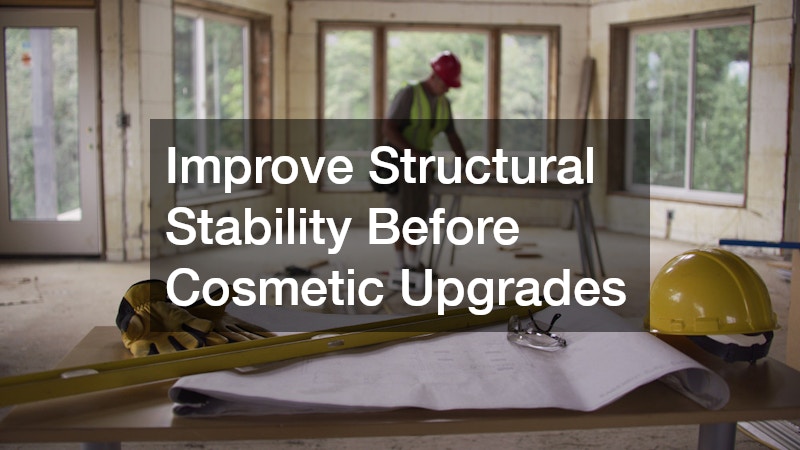
One of the most important renovation priorities is ensuring the structural integrity of the home. Cosmetic updates may improve visual appeal, but they cannot compensate for serious underlying issues. Cracks in walls, sloping floors, sticking doors, and visible foundation movement are often early warning signs of larger structural concerns that should never be ignored.
Many homeowners postpone structural work because the damage appears minor at first. Unfortunately, even small problems can escalate quickly when moisture intrusion, soil expansion, or shifting foundations are involved. Structural issues can compromise safety, reduce energy efficiency, and increase the likelihood of future repair costs.
Professional inspections help homeowners determine whether movement is cosmetic or evidence of a deeper issue. In many cases, foundation repairs are necessary to stabilize the home and prevent continued deterioration. Addressing these problems early helps preserve both safety and property value.
Some of the most common causes of structural instability include:
- Poor drainage around the home
- Expanding or shifting soil
- Water intrusion near the foundation
- Tree root growth
- Improper grading
- Aging construction materials
When major repairs involve multiple areas of the property, a general contractor can help coordinate inspections, timelines, permits, and subcontractors. This becomes especially valuable during large renovation projects where structural stabilization must occur before cosmetic work begins.
Homeowners should also understand that structural damage often affects other systems within the home. Cracks may allow moisture infiltration, uneven floors can strain plumbing lines, and shifting walls may impact electrical systems. By prioritizing structural safety first, homeowners create a more stable foundation for every future renovation project.
Additional signs that indicate structural concerns may include:
- Gaps between walls and ceilings
- Chimneys leaning away from the home
- Cracked exterior brickwork
- Uneven flooring surfaces
- Persistent basement moisture
Ignoring these warning signs can lead to larger repair costs later. Early action remains one of the most effective ways to protect a home from long-term structural damage.
Upgrade Electrical Systems to Reduce Fire Risks
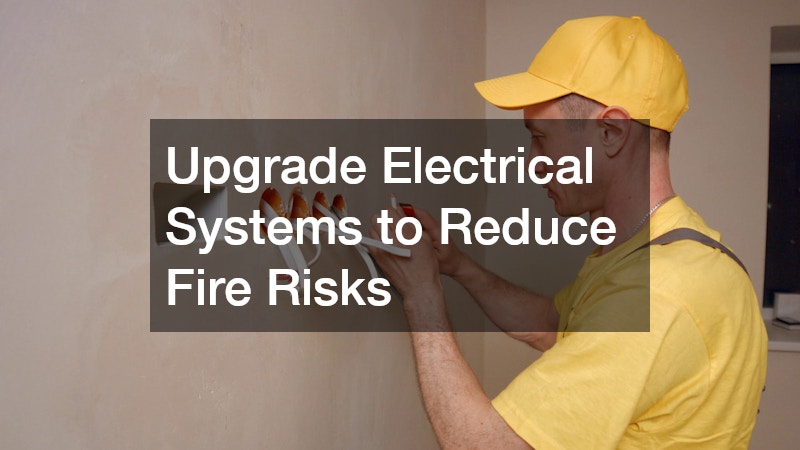
Electrical safety is one of the most critical aspects of modern home renovation. Many older homes were not designed to handle today’s energy demands, which include multiple electronics, smart appliances, entertainment systems, and charging devices operating simultaneously.
Outdated wiring systems can increase the risk of electrical fires, shocks, overloaded circuits, and appliance damage. Homeowners often fail to recognize the warning signs until problems become severe. Flickering lights, buzzing outlets, warm switches, and frequently tripped breakers should never be dismissed as minor inconveniences.
Licensed electricians play an essential role in identifying outdated components and ensuring that electrical systems meet current safety standards. Proper upgrades improve not only safety but also convenience and energy efficiency.
Common electrical improvements include:
- Replacing outdated breaker panels
- Installing GFCI outlets in wet areas
- Adding surge protection systems
- Updating aluminum wiring
- Installing dedicated appliance circuits
- Replacing damaged outlets and switches
Modern renovations should also account for future electrical demands. Home offices, electric vehicles, and smart home systems require increased capacity and reliable wiring infrastructure. Planning ahead prevents the need for repeated upgrades later.
Homeowners should pay special attention to high-risk areas such as kitchens, bathrooms, garages, and basements. Moisture exposure combined with outdated wiring creates particularly dangerous conditions. Safety inspections help identify hidden risks behind walls and inside older panels.
Additional electrical safety recommendations include:
- Avoid overloading extension cords
- Upgrade ungrounded outlets
- Label breaker panels clearly
- Install smoke detectors with battery backups
- Replace damaged cords immediately
Electrical improvements are not ideal DIY projects. Improper installations can create serious hazards and code violations. Working with experienced professionals helps ensure safe installation practices and long-term reliability.
Prevent Water Damage With Exterior Drainage Improvements
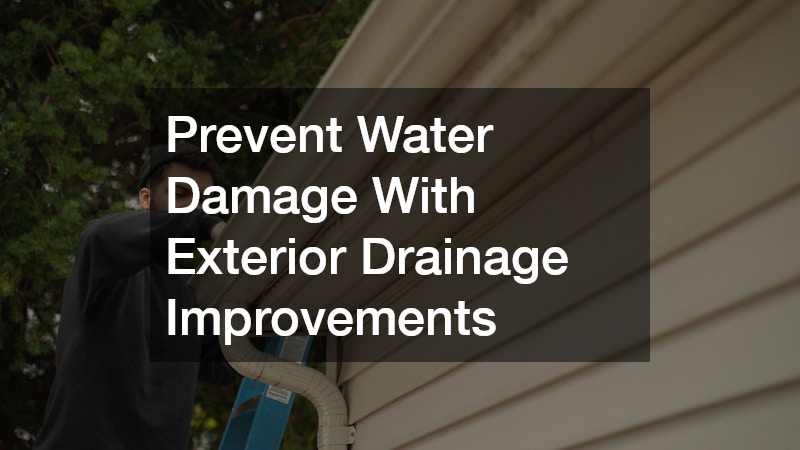
Water intrusion remains one of the most destructive problems homeowners face. Poor drainage systems can gradually weaken foundations, damage landscaping, create basement leaks, and increase slip hazards around the property.
Many homes experience drainage issues because of clogged gutters, cracked driveways, improper grading, or inadequate runoff management. These problems often worsen during heavy storms and seasonal weather changes.
A gutter contractor can help homeowners improve roof drainage systems that redirect water safely away from the home. Properly functioning gutters reduce erosion, protect siding, and minimize foundation moisture exposure.
Drainage improvements may include:
- Installing larger gutter systems
- Extending downspouts away from foundations
- Improving yard grading
- Adding drainage channels
- Repairing drainage slopes
- Installing splash blocks
Driveways also play a major role in water management. Cracked pavement allows water penetration, which can accelerate deterioration during freeze-thaw cycles. A driveway sealing contractor helps protect surfaces from moisture damage while improving safety and longevity.
Homeowners should regularly inspect exterior areas after storms to identify standing water, erosion patterns, or drainage failures. Even small pooling areas can eventually create larger structural concerns if left unresolved.
Important maintenance practices include:
- Cleaning gutters seasonally
- Removing debris from drainage paths
- Sealing driveway cracks early
- Checking for soil erosion
- Monitoring basement humidity
Water damage often develops slowly and silently. By the time stains or mold appear indoors, significant damage may already exist behind walls or beneath flooring. Preventive drainage upgrades help homeowners avoid expensive repairs and maintain safer living conditions.
Strengthen Roofing Systems Against Severe Weather
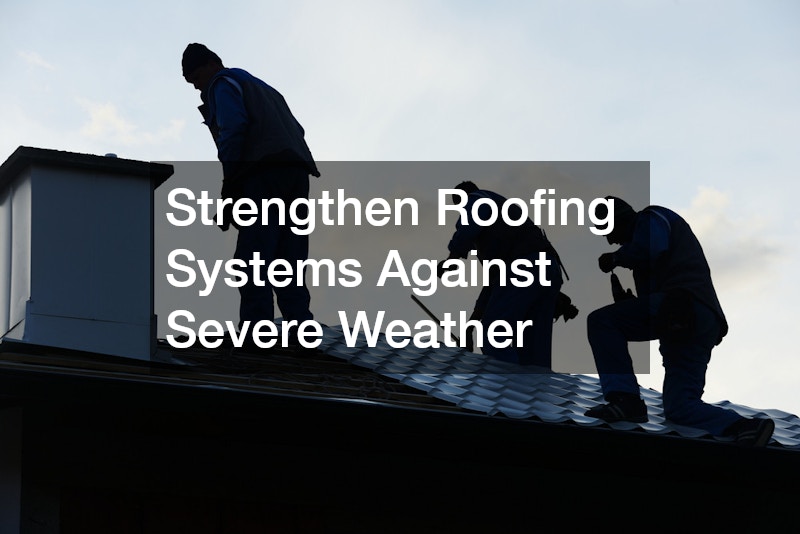
The roof is one of the home’s primary protective barriers against weather exposure. A compromised roofing system can quickly lead to leaks, insulation damage, mold growth, and structural deterioration.
Many homeowners fail to inspect roofing systems regularly, allowing small issues to develop into major problems. Missing shingles, sagging areas, water stains, and poor attic ventilation are common indicators that repairs or upgrades may be necessary.
A professional roofing contractor can evaluate roof conditions and recommend improvements that strengthen durability and improve energy efficiency. Modern roofing materials are designed to better withstand wind, moisture, temperature fluctuations, and impact damage.
Important roofing upgrades may include:
- Replacing damaged shingles
- Improving attic ventilation
- Installing waterproof underlayment
- Reinforcing flashing areas
- Upgrading insulation
- Installing impact-resistant materials
Roof ventilation is particularly important for maintaining safe indoor conditions. Poor airflow can trap heat and moisture inside the attic, increasing the risk of mold growth and wood rot. Improved ventilation also helps regulate indoor temperatures and reduce energy costs.
Homeowners should schedule inspections after major storms or severe weather events. Wind damage, hail impact, and hidden leaks often go unnoticed until interior damage becomes visible.
Additional roofing maintenance tips include:
- Trim tree branches near the roof
- Check attic spaces for moisture
- Replace damaged flashing promptly
- Inspect roof valleys regularly
- Monitor ceiling stains indoors
A strong roofing system protects nearly every other component of the home. Investing in timely repairs and preventative maintenance helps homeowners avoid costly structural and moisture-related damage later.
Improve Indoor Air Quality and Temperature Control
Indoor air quality directly affects health, comfort, and energy efficiency. Many homes contain hidden ventilation issues that contribute to poor airflow, excess humidity, dust accumulation, and inconsistent temperatures.
Older systems often struggle to maintain proper circulation, especially in homes that have undergone multiple renovations without updated ventilation planning. Poor indoor air quality can aggravate allergies, respiratory conditions, and overall comfort levels.
An experienced HVAC company can evaluate heating and cooling performance while identifying opportunities for improved efficiency and healthier airflow.
Common HVAC upgrades include:
- Installing smart thermostats
- Improving duct insulation
- Replacing outdated units
- Upgrading air filtration systems
- Adding humidity control solutions
- Sealing leaking ductwork
Proper ventilation also helps reduce moisture-related risks inside kitchens, bathrooms, and laundry areas. Excess humidity creates ideal conditions for mold growth, which can damage surfaces and negatively affect indoor health.
Homeowners should watch for common warning signs such as:
- Uneven room temperatures
- Excessive dust buildup
- Persistent odors
- Increased allergy symptoms
- High utility bills
- Frequent HVAC cycling
Routine maintenance is essential for keeping systems functioning safely and efficiently. Dirty filters, blocked vents, and neglected equipment can strain HVAC systems and reduce performance over time.
Helpful maintenance practices include:
- Changing air filters regularly
- Scheduling annual inspections
- Cleaning vents and registers
- Monitoring indoor humidity levels
- Keeping outdoor units clear of debris
Improving indoor air quality supports healthier living conditions while increasing system efficiency and long-term comfort.
Modernize Plumbing Systems to Avoid Costly Emergencies
Outdated plumbing systems can create serious risks for homeowners, including water damage, mold growth, pipe failures, and sanitation concerns. Aging pipes often deteriorate gradually, making problems difficult to detect until leaks or backups occur.
A plumbing contractor can help identify vulnerable areas and recommend upgrades that improve efficiency, water quality, and system reliability.
Common plumbing warning signs include:
- Low water pressure
- Rust-colored water
- Slow drains
- Frequent leaks
- Unusual pipe noises
- Water stains on walls or ceilings
Many older homes still contain outdated materials that may corrode over time or fail to meet current standards. Replacing aging pipes improves safety while reducing the likelihood of future emergencies.
Important plumbing upgrades may include:
- Replacing galvanized pipes
- Installing leak detection systems
- Updating shutoff valves
- Improving water heater efficiency
- Installing water-saving fixtures
- Replacing deteriorated sewer lines
Water damage is one of the most expensive home repair categories because it often spreads quickly behind walls and beneath flooring. Early detection and preventative upgrades can significantly reduce repair costs.
Homeowners should also consider the location of plumbing systems during renovations. Kitchens, bathrooms, and laundry rooms are particularly vulnerable to hidden moisture damage.
Preventive maintenance recommendations include:
- Inspect visible pipes regularly
- Monitor water bills for sudden increases
- Address slow drains immediately
- Insulate exposed pipes
- Flush water heaters annually
Modern plumbing improvements help homeowners create safer, more efficient living environments while reducing the likelihood of disruptive emergencies.
Increase Outdoor Security and Property Protection
Outdoor safety features are an important part of creating a secure and functional property. Well-designed exterior improvements help reduce accident risks, improve privacy, and protect families, pets, and visitors.
Perimeter security upgrades can discourage trespassing while improving overall property organization and usability. Fence builders help homeowners select durable materials and designs that enhance both safety and curb appeal.
Important considerations for outdoor security include:
- Clearly defining property boundaries
- Preventing unauthorized access
- Securing pool areas
- Improving child and pet safety
- Enhancing nighttime visibility
Modern fencing materials offer greater durability and lower maintenance requirements than older systems. Homeowners can choose options designed to withstand weather exposure while complementing the overall appearance of the property.
Additional outdoor safety upgrades may include:
- Motion-sensor lighting
- Non-slip walkways
- Secure gate systems
- Handrails for elevated areas
- Outdoor security cameras
Exterior lighting plays a major role in accident prevention and property security. Poorly lit walkways, driveways, and entrances increase the risk of slips, falls, and unwanted activity.
Homeowners should regularly inspect outdoor structures for signs of wear or instability, including:
- Loose fence posts
- Rotting wood
- Uneven pathways
- Rusted hardware
- Damaged gate latches
Creating safer outdoor spaces improves both functionality and peace of mind for homeowners and their families.
Use Safer Materials During Interior Renovations
The materials used during renovations can significantly impact indoor safety and long-term durability. Older homes may contain hazardous materials, deteriorating finishes, or outdated coatings that negatively affect indoor air quality.
A professional painting contractor can help homeowners select safer products while ensuring proper preparation and application techniques. Low-VOC paints and durable finishes help reduce indoor chemical exposure while improving long-term maintenance.
Important considerations when selecting renovation materials include:
- Moisture resistance
- Durability
- Air quality impact
- Fire resistance
- Ease of maintenance
Certain rooms require additional attention because of higher moisture levels and daily wear. Kitchens, bathrooms, laundry areas, and entryways benefit from materials designed to resist mold, stains, and water damage.
Safer renovation choices may include:
- Low-VOC paints
- Water-resistant flooring
- Mold-resistant drywall
- Non-slip tile surfaces
- Durable countertop materials
- Easy-to-clean finishes
Surface preparation is equally important during renovations. Poor preparation can lead to peeling paint, trapped moisture, and premature material failure.
Homeowners should also consider long-term maintenance requirements when selecting materials. Durable finishes often reduce repair needs and improve overall safety over time.
Additional renovation tips include:
- Improve ventilation during remodeling
- Test older homes for hazardous materials
- Choose fire-resistant products where possible
- Avoid cheap materials with poor durability
Using safer materials helps create healthier living environments while improving the overall quality and longevity of interior renovations.
Create a Renovation Plan That Prioritizes Safety First
Large renovation projects can quickly become overwhelming without proper planning. Homeowners often focus on visual upgrades first, overlooking critical systems that directly affect safety and long-term functionality.
A well-organized renovation plan helps prioritize the most urgent repairs while creating realistic budgets and timelines. Safety-related improvements should always take precedence over purely cosmetic changes.
When planning renovations, homeowners should evaluate:
- Structural concerns
- Electrical safety
- Water intrusion risks
- Roofing conditions
- Ventilation performance
- Plumbing reliability
Organizing projects strategically also helps reduce costs and avoid duplicate work. For example, completing structural or electrical upgrades before drywall and flooring installations prevents unnecessary demolition later.
Important planning strategies include:
- Schedule professional inspections early
- Create phased renovation timelines
- Establish emergency repair funds
- Obtain required permits
- Document contractor agreements clearly
- Prioritize high-risk repairs first
Communication between contractors is also essential during large-scale renovations. Coordinated scheduling helps prevent delays and ensures systems are installed properly.
Homeowners should avoid rushing major decisions simply to accelerate project timelines. Careful planning often results in safer installations, better workmanship, and fewer long-term issues.
Additional project management tips include:
- Keep detailed renovation records
- Confirm licensing and insurance
- Request written estimates
- Inspect completed work thoroughly
- Plan for temporary disruptions
A safety-focused renovation strategy protects homeowners from unnecessary risks while creating more durable and comfortable living spaces.
Creating a safer modern home requires more than cosmetic improvements. Structural stability, electrical reliability, water management, ventilation, plumbing performance, and durable materials all contribute to long-term safety and comfort. By identifying risks early and prioritizing essential upgrades, homeowners can reduce the likelihood of emergencies while protecting property value.
Thoughtful renovation planning also improves energy efficiency, indoor health, and overall quality of life. Whether addressing aging systems or preparing for future needs, proactive improvements help homes remain functional, secure, and resilient for years to come.
Investing in safety-focused renovations today can prevent costly problems tomorrow while creating a healthier and more dependable living environment for the entire household.