
Property ownership often brings a strong desire for transformation. When a person looks at an older house or a layout that no longer fits their lifestyle, the urge to remodel everything at once can be powerful. However, jumping into a large-scale project without a clear, logical sequence is a direct path to financial waste and immense stress. It is a common mistake for eager property owners to hire trades out of order, only to watch a brand-new feature get damaged by a contractor who arrives a week later needing access to the framing or foundations. Managing a residential transformation requires far more than just an active budget and a design vision; it demands a solid grasp of building science and trade orchestration. Every residential structure operates as an interconnected ecosystem where the outer shell shields the inner mechanics, and the structural framing supports the final cosmetics. When individuals choose to embark on a comprehensive home remodeling journey, they must assume the role of an organized coordinator. If the finish painters arrive before the plumbers finish running the pipe networks, the entire project collapses into expensive chaos. By understanding exactly which professional needs to step onto the property first, homeowners can preserve their hard-earned equity, avoid repetitive labor charges, and ensure that every upgrade stands the test of time.
Establishing a Secure Exterior Envelope First
Before a single drop of paint touches an interior wall, a house must be completely impervious to the outdoor elements. A frequent error is focusing heavily on interior design while ignoring the vulnerabilities of the roof, siding, and perimeter drainage. If the outer envelope of a building leaks, every dollar spent on high-end drywall, custom trim, and premium flooring is placed at immediate risk. Controlling how moisture moves away from the roofline is the absolute first step in any sensible construction timeline. For this exact reason, organizing professional gutter installations must happen long before any interior finishes are planned. Modern seamless gutters and properly sized downspouts ensure that heavy downpours are directed safely away from the fascia boards and foundation walls. Once the roofline drainage system is fully secured, attention must turn toward the ground level. The specific way soil slopes around the perimeter dictates whether moisture will seep into the structural framing. Professional landscaping plays a massive role during this initial phase, operating as a functional engineering defense rather than just a cosmetic upgrade. By grading the earth away from the foundation and installing French drains, contractors establish a dry environment for all future interior improvements. Skipping these vital exterior structural steps typically leads to a frustrating scenario where beautiful new interior spaces are ruined by the very first heavy rainstorm of the season.
Eliminating Internal Environmental and Health Hazards
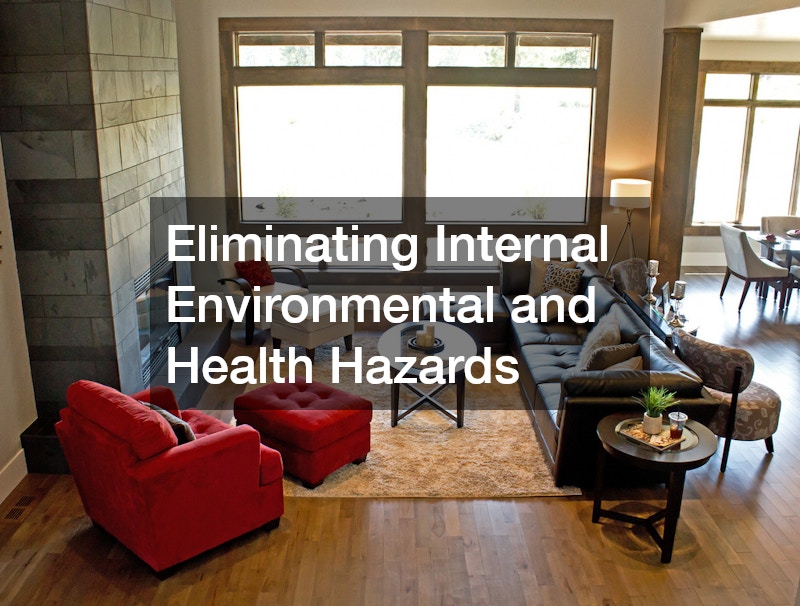
Once the exterior shell is certified as watertight, the project focus can safely transition inside the perimeter walls. However, before constructing new rooms, a homeowner must thoroughly address any legacy issues hidden deep within the existing building. Older properties, or those that have suffered from poor exterior drainage over the years, often harbor hidden environmental dangers behind old plaster or beneath worn-out floorboards. Prior moisture problems often leave behind toxic remnants like airborne spores and fungal growth. Enlisting certified mold remediation services at this exact juncture is absolutely non-negotiable. Attempting to build over active fungal colonies or contaminated wall framing simply traps the hazard inside the newly insulated walls, where it will multiply silently and degrade the indoor air quality of the entire home. Mitigation specialists must isolate the affected zones using negative air pressure, safely extract contaminated materials, and treat the remaining structural lumber with professional-grade antimicrobial coatings. This critical step cannot be rushed or bypassed, as clean air and sterile framing are the literal foundations of a safe living space. Only after a rigorous inspection and a third-party air clearance test confirming that the environment is clean should the framing crews be allowed to enter and reshape the internal floor plan.
Roughening in the Core Mechanical and Electrical Systems
With a verified clean, safe, and dry structural shell, the home is finally ready to receive its mechanical backbone. This phase is known as the rough-in stage, where the hidden systems that power, warm, cool, and plumb the home are routed through the open stud bays. It is imperative that these mechanical trades complete their work before any insulation or drywall closes up the walls. The order within the rough-in phase itself is highly specific, with plumbing lines and large HVAC ductwork always being installed first because they require the largest pathways through floor joists and wall studs. Once the heavy drain lines and metal ventilation trunks are firmly secured, the licensed electrician can enter the job site. Electrical wiring is highly flexible and can easily weave around pre-existing pipes and bulky ductwork without causing structural conflicts. During this active stage, the electrical expert runs new dedicated circuits, mounts durable junction boxes, updates the main service panel, and sets the boxes for switches and lighting outlets throughout the structure. This phase requires deep collaboration regarding how each room will be utilized in the future. Homeowners must think carefully about where heavy appliances will rest and how much power modern electronics will draw.
Commencing Large-Scale Structural Interior Transformations
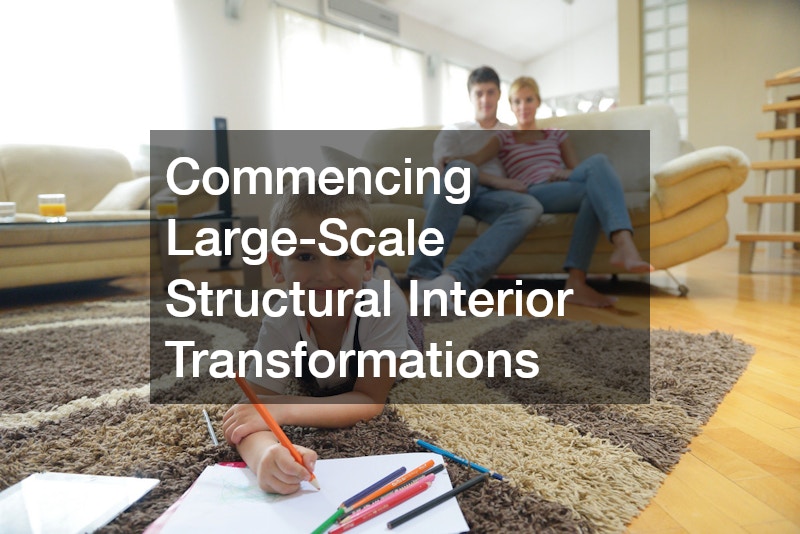
When all the rough mechanical inspections are officially signed off by local officials, the home can begin to take on its new physical identity. Insulation is packed into the open walls, drywall sheets are hung, taped, and mudded, and the true architectural layout finally becomes visible to the eye. The absolute best strategy for major interior transformations is to begin at the lowest point of the house, especially if the master plan involves a comprehensive basement refinish to maximize livable square footage. Working from the bottom up allows heavy, dusty activities, such as laying subfloors, framing ceiling drops, and cutting egress windows, to be completed without tracking debris through finished upper levels. A completed lower level provides a massive expansion of usable area, but its construction must be perfectly synchronized with the main floor. Immediately following the heavy structural work downstairs, the renovation focus transitions to the most complex and heavily utilized room on the main level: the kitchen. A successful kitchen renovation requires an extraordinary amount of trade choreography, involving finish plumbers, finish carpenters, countertop fabricators, and appliance technicians. Because the cooking area serves as the central hub of daily domestic life, completing this space early in the interior phase minimizes the overall timeline disruption for the household.
Finalizing Precision Work in Personal Sanctuaries
With the kitchen and lower structural levels well underway, the construction schedule moves steadily toward the secondary wet areas and personal spaces. These specific rooms require an incredibly high degree of precision and detailed work, as they blend complex plumbing networks with waterproof membranes and intricate tile configurations. Launching a detailed bathroom remodeling project at this specific phase ensures that finish craftspeople have a calm, organized environment to execute high-end work. Professional tilers can lay delicate porcelain, glass, or natural stone mosaics without worrying about heavy traffic from framing crews or drywall tapers dragging dirty equipment through their workspace. This phase also includes the careful installation of high-efficiency exhaust fans, custom shower pans, luxury mixing valves, and floating vanities that require exact plumbing alignments within the finished walls. Because these rooms are generally smaller in footprint, they demand an uncompromising attention to detail, where even a tiny mathematical error can completely ruin the visual symmetry of the tile layout. Once the bathrooms are fully tiled, grouted, and fitted with their final luxury fixtures, the interior portion of the remodeling sequence draws to a successful close. Trim carpenters can then finish installing detailed baseboards and doors.
Expanding Outward with Elevated Structural Carpentry

As the interior paints dry and the indoor renovation project officially crosses the finish line, the construction footprint moves back outside into the open air. This deliberate transition represents the bridge between indoor luxury and outdoor entertainment. The heavy delivery trucks and dumpster bins used for the interior phase are gone, leaving the backyard fully clear for external structural framing. Bringing an experienced deck builder onto the property at this specific stage is ideal for several reasons. First, the exterior siding and weather barriers of the house are already fully finalized, meaning the deck’s ledger boards can be securely flashed and bolted directly to the home’s rim joist without interfering with ongoing internal renovations. A well-constructed wooden or composite deck expands the home’s usable footprint directly into nature, providing an elevated platform for family gatherings. The structural carpentry required to build these platforms involves deep footing excavations, concrete pours, and heavy timber framing. It is vital that this heavy overhead work takes place before any delicate ground-level finishes are introduced to the yard. By scheduling the heavy framing of elevated structures first, homeowners ensure that no heavy framing lumber or construction tools drop onto finished ground-level features.
Perfecting Ground-Level Hardscapes and Social Spaces
The final major phase of the master remodeling sequence focuses entirely on the ground directly beneath and around the newly constructed elevated features. Once the overhead framing and deck railings are entirely secure, the ground level can be safely transformed into permanent, low-maintenance outdoor living surfaces. Constructing beautiful stone, brick, or concrete patios adjacent to or underneath elevated decks provides the ultimate multi-tiered backyard experience. These custom hardscapes require extensive ground excavation, sub-base compaction, weed barrier installation, and precise slope leveling to ensure that rainwater runs safely away from the home’s foundation. If this intensive masonry work were done earlier in the project timeline, the heavy foot traffic, falling tools, and wood scraps from the elevated structural carpentry would inevitably crack the pavers, scratch the stone, or stain the fresh concrete surfaces. Laying the patio stones at the very end of the construction cycle guarantees a flawless, pristine finish that connects the home’s back doors seamlessly with the rest of the yard. This final hardscape step ties the entire property together, turning fragmented outdoor zones into a highly cohesive, functional landscape that perfectly mirrors the luxury of the newly renovated interior spaces.
Managing Logistics, Inspections, and Site Cleanup

As the major construction phases draw to a close, a property owner must shift their focus toward the subtle details that separate a chaotic job site from a polished, livable masterpiece. This transitional period involves coordinating final municipal building inspections, clearing out heavy debris, and addressing the small punch-list items that inevitably accumulate over months of intense labor. Throughout the entire process, multiple trade professionals have brought heavy tools, bulky materials, and specialized equipment onto the property. Consequently, a thorough and organized site cleanup is necessary to reveal the true quality of the craftsmanship hidden beneath dust and protective coverings.
Every structural change, electrical update, and plumbing modification requires an official sign-off from local inspectors to validate that the work complies fully with current safety regulations. A smart coordinator schedules these administrative evaluations sequentially, ensuring that each trade professional is available to address any unexpected feedback from the local enforcement officer. Once the legal permissions are fully secured and the paperwork is formalized, the deep cleaning process can begin. Removing leftover drywall scraps, sweeping away stray masonry dust, and washing down fresh glass panes transforms the chaotic environment back into a peaceful sanctuary. This logistical step ensures that the transition back into daily domestic life is entirely seamless.
Enjoying the Lasting Rewards of an Orderly Project
Successfully modernizing a residential property requires patience, foresight, and a strict adherence to a logical workflow. When property owners respect the natural, time-tested progression of construction, they protect both their emotional well-being and their financial investment from unnecessary harm. The master sequence ensures that water is managed before interior walls are built, environmental health hazards are cleared before new materials arrive, infrastructure is verified before finishes are applied, and heavy structural work is completed before delicate cosmetics begin. This systematic approach completely eliminates the frustrating, expensive setbacks of redoing completed work and keeps project timelines moving forward efficiently. In the end, a carefully managed timeline results in a structurally sound, stunning, and healthy home that provides comfort, safety, and pride for many decades to come.