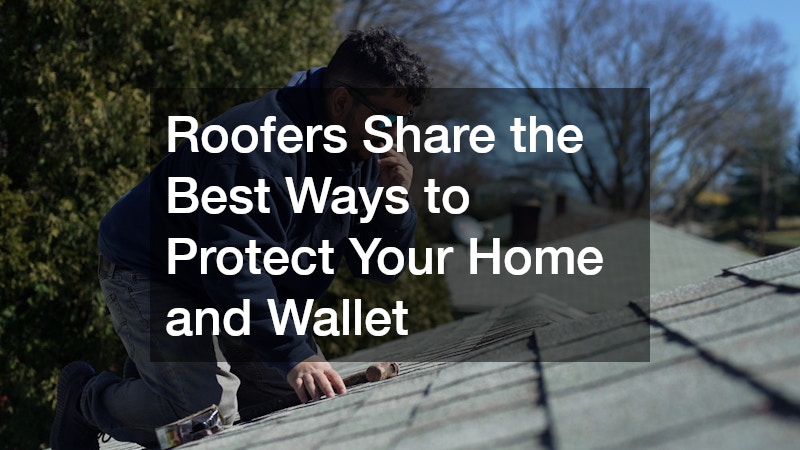
This article explores practical solutions and expert advice from roofers on how to safeguard both your home and your finances. Roofers play a crucial role in protecting the structure, value, and efficiency of any residence. A roof is more than just a barrier against rain and wind; it acts as an essential part of your home’s overall energy efficiency and durability. Investing in proper roof maintenance, timely repairs, and smart upgrades can prevent costly problems in the future and extend the life of your property.
From selecting the right materials to understanding the importance of routine inspections, roofing professionals offer insights that every homeowner should know. They help identify risks early, guide decisions about replacements, and provide recommendations for long-term protection. Moreover, many homeowners underestimate the financial benefits of preventive care, such as spray foam insulation, gutter services, or interior waterproofing services, which can significantly reduce heating and cooling costs while preventing structural damage. By following the guidance of experienced roofers, homeowners can make informed choices that not only preserve their homes but also save money. In this article, we explore the key strategies recommended by roofers to maintain, protect, and optimize your roof.

How Can I Identify Roof Problems Early?
Regular Inspection Tips
Routine inspections are critical for preventing costly roof repairs and ensuring the longevity of your home. Roofers advise performing a visual check of your roof at least twice a year, ideally in the spring and fall, to identify any developing issues. Look for debris accumulation, damaged roof trusses, loose shingles, and signs of water pooling. Maintaining a clean surface helps prevent water infiltration and structural damage over time.
Spray foam insulation can also play a role in detecting hidden issues during inspections. When properly applied, it highlights areas where leaks or structural weaknesses may exist, allowing roofers to address problems before they escalate. Homeowners should also check attic spaces for signs of moisture, mold, or mildew, as these can indicate leaks or insufficient insulation. A proactive approach ensures small problems don’t turn into expensive repairs and keeps the home safe, comfortable, and energy-efficient.
Signs of Damage to Watch For
There are several visible indicators that may suggest roof damage is occurring. Roofers often point out curling, cracked, or missing shingles as early signs of wear. Additionally, dark streaks or discoloration can indicate algae or water damage, which can compromise roof trusses over time. Interior issues, such as water stains on ceilings or walls, are also clear signs that roof repair may be needed.
Gutter services are another area where issues often appear. Clogged or damaged gutters can lead to water backing up, which causes leaks, foundation problems, and increased wear on roofing materials. Local roofing contractors emphasize the importance of addressing these signs immediately, as timely intervention can prevent further damage and protect the homeowner’s budget from unexpected expenses.
What Types of Roofing Materials Are Best for Longevity?
Comparative Analysis of Material Durability
Choosing the right roofing material is one of the most significant decisions homeowners make. Roofers note that asphalt shingles are common due to affordability and ease of installation, but they may require more frequent replacement. Metal roofing, although more expensive, can last several decades with minimal maintenance. Clay or concrete tiles offer durability and aesthetic appeal but may require professional installation to ensure structural integrity.
Roof trusses must also be considered when selecting materials, as they support the weight and stability of the roof. Spray foam insulation and interior waterproofing services can complement durable materials by improving energy efficiency and preventing moisture damage. Roofing professionals recommend evaluating climate conditions, exposure to severe weather, and local building codes to determine which materials will provide the best long-term performance.
Cost vs. Longevity Discussion
When considering roofing materials, it’s essential to weigh initial costs against long-term benefits. Local roofing contractors often emphasize that higher upfront investments in premium materials, such as metal or slate, may reduce repair needs and replacement frequency, ultimately saving homeowners money. Conversely, cheaper options may seem cost-effective initially but can result in higher maintenance and repair expenses over time.
Roofers also highlight the hidden costs associated with insufficient insulation or poor gutter services, which can accelerate wear on roofing systems. By factoring in both the material lifespan and additional protective measures, homeowners can make informed choices that maximize value, minimize unexpected expenses, and ensure their roof remains a reliable shield against environmental elements.

How Often Should I Replace My Roof?
Factors Influencing Roof Lifespan
Several factors influence how long a roof will last. Roofers cite climate, material quality, and installation standards as major determinants. For example, roofs exposed to heavy rainfall, hail, or extreme temperatures may wear faster, even if constructed from high-quality materials. Proper installation by reputable roofing professionals is also crucial for longevity, as poorly installed roof trusses or shingles can lead to premature failure.
Routine maintenance and protective measures, such as spray foam insulation and gutter services, can extend a roof’s life by reducing exposure to water damage, leaks, and structural stress. Local roofing contractors advise monitoring these factors regularly to anticipate replacement needs and avoid emergency repairs that can strain household finances.
Signs That It’s Time for a Replacement
Knowing when to replace a roof is essential for protecting your home and wallet. Roofers recommend paying attention to widespread shingle damage, sagging areas, or chronic leaks as clear signs that replacement is necessary. Additionally, age is a reliable indicator; most asphalt shingles last 20 to 30 years, while metal or tile roofs can last significantly longer.
Interior waterproofing services can help manage minor leaks temporarily, but consistent problems usually indicate the need for full roof replacement. Consulting experienced roofers ensures that homeowners make the right decision at the right time, avoiding costly emergency repairs and maintaining the overall health and value of their property.
What Maintenance Practices Can Extend My Roof’s Life?
Seasonal Maintenance Checklist
Regular maintenance is essential to maximize roof longevity. Roofers recommend seasonal inspections, cleaning gutters, and checking roof trusses for damage. Removing debris prevents water buildup that can lead to leaks, while inspecting shingles and flashing ensures structural integrity. Spray foam insulation in attics can also improve energy efficiency and highlight potential weak spots in the roof.
Gutter services should be performed routinely to prevent water overflow, which can damage both roofing materials and the home’s foundation. Local roofing contractors advise homeowners to document maintenance tasks and schedule professional inspections annually to catch minor issues before they escalate, ultimately saving money and stress.
Professional vs. DIY Maintenance
While homeowners can handle basic cleaning and inspection tasks, roofers emphasize that some maintenance should be left to professionals. Tasks such as roof repair, inspecting roof trusses, and applying interior waterproofing services often require specialized knowledge and safety precautions. Hiring a qualified roofing company ensures these tasks are completed correctly, reducing the likelihood of future issues.
DIY maintenance can save some costs, but it’s essential to recognize limits. Improper repairs or neglected maintenance can accelerate damage and increase overall expenses. Roofing professionals recommend a balanced approach, combining simple homeowner upkeep with periodic professional services to optimize roof performance and financial efficiency.

How Can I Choose a Reliable Roofing Contractor?
Essential Questions to Ask
Selecting a trustworthy roofing contractor is crucial for protecting both your home and your investment. Roofers recommend asking questions about experience, licensing, insurance, and references before hiring. Inquire about previous projects similar to your own and whether the contractor has experience with roof trusses, roof repair, and spray foam insulation.
It’s also helpful to discuss maintenance and warranty options. Roofing professionals can clarify the expected lifespan of different materials and services like interior waterproofing services or gutter services. Local roofing contractors often provide estimates that include both labor and material costs, allowing homeowners to plan their budget more effectively while ensuring a high-quality, reliable installation or repair.
Red Flags to Look Out For
Roofers warn homeowners to watch for certain warning signs when evaluating contractors. Unlicensed or uninsured contractors, vague contracts, or reluctance to provide references are all red flags. Additionally, extremely low bids can indicate substandard materials or rushed work, which may result in costly repairs later.
A reputable roofing company will be transparent about pricing, timelines, and materials. They should also be willing to explain roof trusses, roofing techniques, and maintenance strategies in clear, understandable terms. By following the guidance of experienced roofers and local roofing contractors, homeowners can avoid scams and ensure their roof remains durable and cost-effective.
How Does Weather Affect My Roof’s Condition?
Impact of Different Weather Conditions
Weather plays a significant role in the wear and tear of roofing systems. Roofers note that heavy rain, snow, wind, and hail can damage shingles, roof trusses, and gutters over time. Extreme heat can also cause materials to warp, crack, or degrade prematurely, reducing the lifespan of your roof.
Spray foam insulation and interior waterproofing services help mitigate some of these effects by improving thermal regulation and moisture resistance. Local roofing contractors emphasize the importance of understanding how regional weather patterns influence roof performance, as this knowledge guides maintenance schedules and material selection to maximize longevity.
Protection Strategies Against Severe Weather
Roofers recommend several strategies to protect your home from severe weather. Regular roof inspections, roof repair, and timely gutter services prevent water accumulation and structural damage. Installing high-quality roofing materials and reinforcing roof trusses can provide added strength against storms and heavy snowfall.
Additional measures include proper attic ventilation, waterproofing, and the application of protective coatings. Roofing professionals often advise combining these approaches for the most effective protection. By proactively preparing for adverse weather, homeowners can prevent damage and reduce long-term costs associated with repairs or premature roof replacement.

What Are the Financial Aspects of Roof Maintenance?
Understanding Repair Costs
Roof repair costs vary depending on the type and extent of damage. Roofers explain that minor repairs, such as replacing shingles or fixing small leaks, are significantly less expensive than emergency roof replacement or major structural repairs. The condition of roof trusses and the need for interior waterproofing services can also influence costs.
Regular maintenance, including gutter services and seasonal inspections, reduces the likelihood of costly repairs. Local roofing contractors stress that investing in preventative care is more cost-effective in the long term. Roofing professionals often provide estimates that help homeowners understand typical expenses and plan accordingly to avoid financial strain.
Budgeting for Roof Replacement
Planning for roof replacement is an essential part of homeownership. Roofers advise creating a dedicated savings plan to cover the costs of new materials, labor, and potential upgrades such as spray foam insulation or enhanced gutter services. Understanding the lifespan of roofing materials and scheduling replacement around optimal weather conditions can prevent emergency expenses and minimize disruption.
Roofing professionals suggest working with a trusted roofing company to obtain accurate estimates and explore financing options if needed. By budgeting carefully and consulting experienced roofers, homeowners can ensure their roof remains a reliable, cost-effective investment for years to come.
What Insurance Coverage Should I Have for My Roof?
Different Types of Roofing Insurance
Proper insurance coverage protects homeowners against unexpected damage to their roof. Roofers recommend exploring options such as homeowners insurance, which typically covers sudden storm or fire damage, and specific roof insurance policies that may cover gradual wear or leaks. Local roofing contractors can advise on policies that align with the roof’s material type, age, and condition.
Interior waterproofing services and gutter services can also influence insurance claims, as insurers often consider preventative measures when evaluating risk. Roofing professionals encourage homeowners to understand their policy’s scope, including limits, deductibles, and exclusions, to ensure they are adequately protected.
How to File a Claim for Roof Damage
Filing a roof insurance claim begins with documenting the damage thoroughly. Roofers suggest taking photos, noting the date and cause of the issue, and keeping receipts for any immediate repairs. Contact your roofing company or local roofing contractors to provide professional assessments, which strengthen your claim.
Next, submit the documentation to your insurance provider and follow their instructions for inspections and approvals. Roofing professionals emphasize prompt action, as delays can worsen damage and complicate claims. By understanding the process and working with experienced roofers, homeowners can navigate claims efficiently, reducing financial stress and ensuring proper repair or replacement.
Maintaining a home’s roof is one of the most effective ways to protect both your property and your finances. Roofers play a vital role in guiding homeowners through inspections, material selection, repair, and maintenance. From early detection of damage to understanding the financial and insurance implications of roofing decisions, their expertise ensures long-term protection and cost savings.
Proactive measures such as seasonal inspections, proper installation of roof trusses, use of spray foam insulation, and timely gutter services reduce the risk of unexpected repairs. Local roofing contractors and roofing professionals provide the guidance and skills necessary to keep your roof in optimal condition, while interior waterproofing services prevent costly structural damage. By investing in quality materials, regular maintenance, and reliable contractors, homeowners can extend their roof’s lifespan, improve energy efficiency, and safeguard their home against weather and wear. Following the advice of experienced roofers ensures that your home remains secure, comfortable, and financially protected for years to come.