Deciding where to invest your renovation dollars can feel overwhelming, especially when every room in the house seems to be asking for attention at once. The good news is that you do not need a massive budget to make meaningful improvements that boost comfort, safety, and resale value. This guide breaks down the smartest whole-home upgrades that deliver real returns without draining your savings account. Whether you are planning a single project or mapping out a multi-year improvement strategy, these tips will help you spend wisely and avoid costly mistakes.
Start With the Roof Over Your Head
Your roof is one of the most important systems protecting your entire investment, and putting off repairs often leads to far more expensive damage down the road. Understanding roofing costs upfront helps you budget realistically, since prices vary based on material, square footage, and the complexity of your roofline. A small leak today can turn into rotted decking, mold, and ruined insulation if ignored for even a single rainy season. Getting ahead of repairs is almost always cheaper than waiting for a full replacement.
When it is time to hire help, working with experienced residential roofing contractors gives you access to proper licensing, warranties, and safety equipment that a DIY approach simply cannot match. Ask for multiple quotes, check references, and confirm that any contractor you consider carries adequate insurance before work begins.
- Schedule a roof inspection every one to two years, especially after major storms
- Compare at least three quotes before committing to a large repair or replacement
- Ask about material options like architectural shingles or metal for longer lifespans
- Keep gutters clear to prevent water backup that damages roofing edges
Boost Curb Appeal Without Overspending
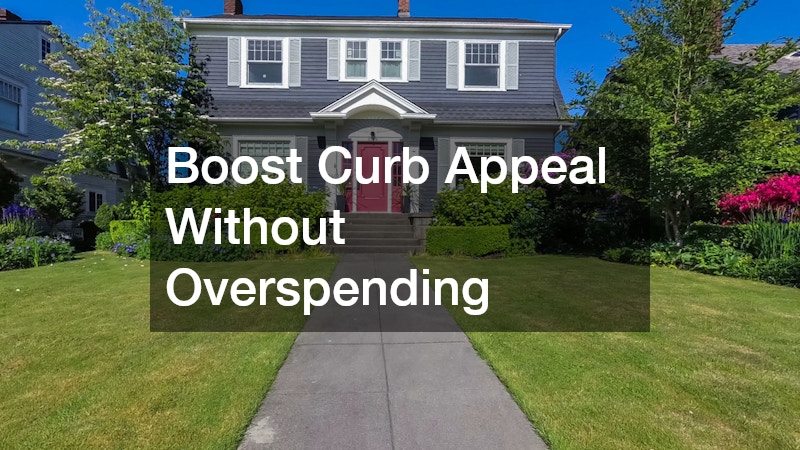
First impressions matter, and simple landscaping updates can dramatically increase how your home looks from the street without requiring a full outdoor overhaul. Fresh mulch, trimmed hedges, and a defined walkway path are inexpensive changes that make a noticeable difference. Even small touches, like edging garden beds or adding a few solar-powered path lights, can make your yard look more intentional and well cared for.
Budget-conscious homeowners can often see the biggest impact from a few key upgrades. A fresh coat of paint on the front door, updated house numbers, and a new mailbox typically cost under $200 combined but instantly modernize a home’s exterior. Swapping out an outdated porch light fixture or adding potted plants near the entryway are similarly low-cost ways to draw the eye and create a welcoming feel.
It’s also worth considering seasonal maintenance as part of your curb appeal strategy. Reseeding bare patches of lawn, power-washing the driveway, and cleaning out gutters cost little but prevent small issues from becoming glaring eyesores. These tasks can often be done in a single weekend and require minimal tools or expertise.
If you want a cohesive look but are not sure where to start, consulting a local landscape designer can help you create a plan that fits both your style and your budget. Many designers offer one-time consultations for a flat fee, giving you professional guidance on plant selection, layout, and color coordination without committing to a full-service contract. This can be especially useful if you’re planning to sell soon and want a design that maximizes buyer appeal.
A good designer can also help you choose plants suited to your climate, reducing water usage and maintenance over time. Native and drought-tolerant species, such as coneflowers, lavender, or ornamental grasses, often require 30-50% less water than non-native varieties while still delivering season-long color. This upfront planning prevents the common mistake of buying plants that look great in spring but die off by midsummer due to poor placement.
Consider grouping plants by “hydrozones,” clustering those with similar water and sunlight needs together, so you’re not overwatering drought-tolerant plants to keep thirstier ones alive nearby. A designer can also map out sun and shade patterns across your yard throughout the day, ensuring each plant lands where it will actually thrive rather than where it simply looks good on paper.
Even a modest consultation fee of $150-$300 can save homeowners hundreds of dollars annually in replaced plants, wasted mulch, and excess irrigation. Over a few seasons, that smart initial investment often pays for itself while keeping your curb appeal consistently polished rather than patchy.
- Add layered lighting along walkways using solar-powered LED path lights ($15-30 each) plus a few uplights on trees or architectural features for depth
- Choose native, drought-tolerant plants like lavender, coneflower, or ornamental grasses to cut watering costs by up to 50% and reduce maintenance
- Define garden beds with simple edging—metal, stone, or recycled rubber—for a clean, polished line that keeps mulch and soil contained
- Repaint the front door in a bold, on-trend color (navy, black, or deep red) for under $50, or replace it entirely for a bigger impact starting around $150-$300
- Swap outdated house numbers and mailbox for modern, matching hardware—a small $20-40 upgrade that ties the whole entryway together
- Power-wash siding, walkways, and the driveway to instantly refresh curb appeal for the cost of a rental or a few hours of labor
Clear the Way Before Any Major Renovation
Before starting most home upgrade projects, you will need a plan for clearing out old materials, furniture, or yard waste, and this step is often underestimated in both time and cost. Proper debris removal keeps your worksite safe and prevents delays caused by piles of scrap sitting around during construction. Many municipalities have strict rules about disposal, so understanding local regulations ahead of time saves headaches later.
Renting a dumpster or hiring a hauling service is often more affordable than trying to handle large volumes of waste yourself, especially for roofing, flooring, or landscaping projects. Factor this cost into your renovation budget from the very beginning rather than treating it as an afterthought.
- Ask contractors whether cleanup and hauling are included in their quote
- Separate recyclable materials like metal and wood when possible
- Schedule pickup services in advance to avoid project delays
- Check local rules on yard waste and construction debris disposal
Upgrade Your Home Comfort Systems

Heating and cooling account for nearly half of most household energy bills, making this one of the smartest areas to invest in for long-term savings. A system running at reduced efficiency can quietly add hundreds of dollars to your annual utility costs without any obvious warning signs.
Reputable HVAC companies can assess your current system and recommend whether a repair, tune-up, or full replacement makes the most financial sense. During an assessment, technicians typically check refrigerant levels, duct integrity, and whether your unit is correctly sized for your square footage—an oversized or undersized system wastes energy regardless of its age.
Older systems, particularly those over 10-15 years old, often run inefficiently, costing you more every month than a modern, properly sized unit would. Upgrading to a high-efficiency model with a SEER rating of 16 or higher can reduce cooling costs by 20-40%, while programmable or smart thermostats add further savings by automatically adjusting temperatures when you’re away.
Routine maintenance, such as replacing filters every 1-3 months and scheduling annual tune-ups, also extends equipment lifespan and helps you avoid costly emergency repairs down the road.
A well-maintained system also improves indoor air quality and reduces strain on your home during extreme weather. Clean filters, sealed ductwork, and properly calibrated thermostats all work together to keep dust, allergens, and humidity levels in check, which is especially important for households with allergy sufferers or young children.
Scheduling annual maintenance checks is a small expense that helps you avoid emergency breakdowns during the hottest or coldest days of the year. Most HVAC technicians recommend servicing your system twice a year, once before summer and once before winter, at a typical cost of $75 to $200 per visit.
That investment pays off quickly: a neglected system can lose up to 5% efficiency per year, driving up utility bills and shortening the equipment’s overall lifespan. Simple homeowner tasks, like replacing air filters every one to three months and keeping outdoor units free of debris, can further extend performance between professional visits.
- Replace air filters every one to three months (more often with pets or allergies) to boost efficiency and cut strain on your HVAC system
- Ask about programmable or smart thermostats, which can save 10-15% on heating and cooling costs by adjusting temperatures automatically
- Have ductwork inspected for leaks, gaps, or poor insulation, since leaky ducts can waste up to 20-30% of conditioned air
- Consider a maintenance plan for priority scheduling, service discounts, and seasonal tune-ups that catch small issues early
- Seal gaps around windows, doors, and outlets to prevent drafts and reduce the workload on your heating and cooling system
- Check your water heater’s age and efficiency rating, as units over 10 years old often cost more to run than a modern replacement
Do Not Overlook Insulation and Air Sealing
Insulation is one of the least glamorous home upgrades, but it consistently ranks among the most cost-effective improvements homeowners can make. Poorly insulated attics, walls, and crawl spaces let conditioned air escape, forcing your HVAC system to work harder than necessary. Reaching out to knowledgeable insulation suppliers can help you understand which materials, such as spray foam, batts, or blown-in cellulose, best suit your climate and home structure.
Air sealing around windows, doors, and outlets often goes hand in hand with insulation upgrades and costs relatively little compared to the energy savings it delivers. Many homeowners are surprised to learn how much comfort improves simply by addressing these gaps.
- Check attic insulation levels, since this area loses the most heat
- Seal gaps around windows and doors with weatherstripping or caulk
- Ask about recommended R-values for your specific region
- Consider insulating garage doors and basement rims for added efficiency
Modernize Your Electrical System for Safety and Efficiency
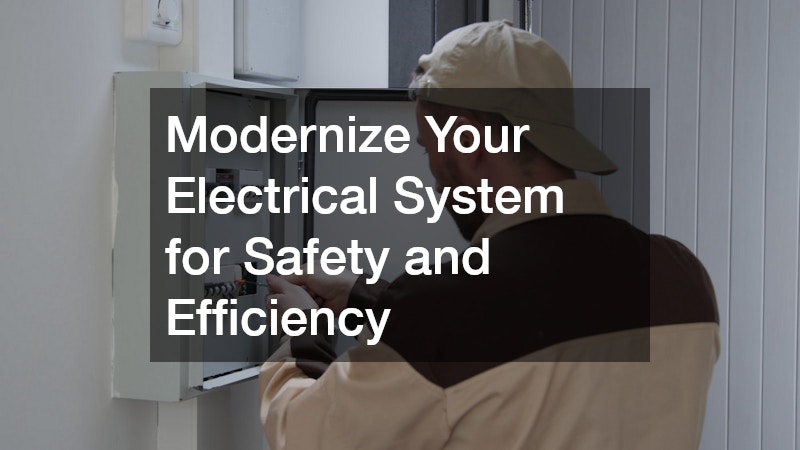
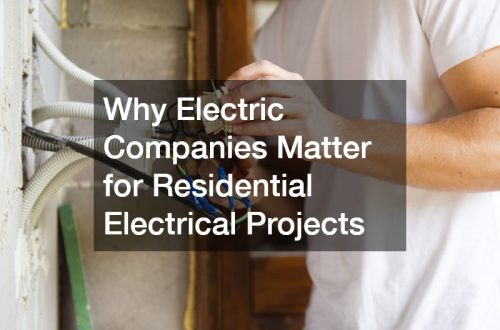
Many older homes were not built to handle the electrical demands of modern appliances, smart devices, and home entertainment systems. Hiring a licensed electrical company to evaluate your panel and wiring ensures your home can safely support current and future needs. Outdated wiring is not just inconvenient; it can also be a serious fire hazard if left unaddressed.
Simple updates like adding outlets, installing GFCI protection in bathrooms and kitchens, or upgrading your panel can prevent bigger problems and even lower your insurance costs. These upgrades also make your home more attractive to future buyers who want move-in-ready electrical systems.
- Have your panel inspected if your home is more than 25 years old
- Add GFCI outlets near water sources for safety compliance
- Consider surge protection to safeguard electronics and appliances
- Plan ahead for EV charging if you anticipate future needs
Address Plumbing Issues Before They Escalate
Small plumbing problems, like a slow drain or a dripping faucet, rarely stay small for long and often signal larger issues within your pipes. Routine plumbing services can catch corrosion, leaks, or pressure problems early, saving you from costly water damage repairs later. Regular inspections are especially important in older homes with original piping still in place.
Building a relationship with a trusted local plumbing company means you have someone familiar with your home’s history to call when issues arise. This familiarity often leads to faster diagnoses and more accurate repair estimates compared to calling a different provider every time.
- Schedule an annual inspection to catch hidden leaks early
- Watch for signs like low water pressure or discolored water
- Replace old fixtures with water-efficient models to cut utility bills
- Keep records of past repairs to help future service visits
Consider Outdoor Living Upgrades That Add Value
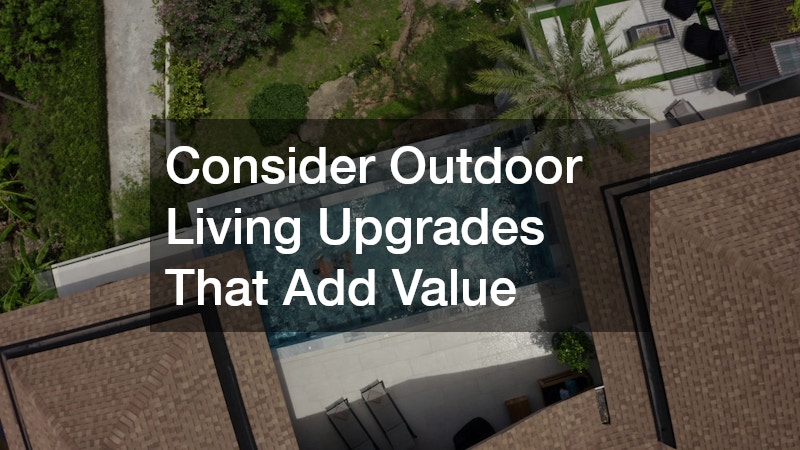
Outdoor spaces have become an extension of the home, and thoughtful upgrades here can boost both enjoyment and resale value. While a full backyard renovation is a bigger investment, even modest additions like a patio or fire pit can transform how you use your space. For homeowners considering a bigger splash, working with established custom pool companies allows you to explore options that fit varying budgets, from simple plunge pools to full resort-style designs.
It is worth remembering that outdoor upgrades should be planned alongside your landscaping and drainage needs to avoid future water or structural issues. Getting professional input before breaking ground helps you avoid expensive corrections later.
- Start with smaller additions like seating areas before larger builds
- Factor in long-term maintenance costs for pools or water features
- Ensure proper drainage planning before any major excavation
- Ask about energy-efficient pool equipment to control ongoing costs
Prioritize Upgrades Based on Impact and Budget
With so many potential projects competing for your attention, it helps to rank upgrades by both urgency and return on investment. Safety-related repairs, like electrical or roofing issues, should typically come before cosmetic upgrades like landscaping or outdoor living spaces. Creating a simple spreadsheet to track estimated costs, contractor quotes, and priority levels can keep your renovation plans organized and realistic.
Breaking projects into phases also makes budgeting more manageable, allowing you to save for bigger investments while completing smaller fixes along the way. This approach reduces financial stress and helps you avoid taking on more debt than necessary.
- List projects by urgency, cost, and expected lifespan improvement
- Set aside a separate emergency fund for unexpected repairs
- Get written estimates before committing to any large project
- Revisit your plan yearly as home needs and budgets shift
Conclusion
Smart home upgrades do not require unlimited funds, just a clear understanding of where your money will make the biggest difference. By tackling essential systems first and layering in comfort and lifestyle improvements over time, you can steadily increase your home’s value and livability. Take a moment to walk through your own home and identify which of these areas needs attention first. With a solid plan and trusted professionals by your side, you will be well on your way to a safer, more efficient, and more enjoyable home.