
As electric vehicles (EVs) become a staple on Australian roads, more homeowners are transitioning from public charging stations to the convenience of home-based solutions. However, installing a dedicated charging station is not as simple as plugging in a new appliance. Because an EV charger places a significant, sustained load on your home’s electrical infrastructure, a thorough pre-installation assessment is mandatory. A licensed electrician performs this evaluation to ensure your property can support the high power demands safely and efficiently, preventing potential hazards like circuit overloads or electrical fires.
Assessing the Main Switchboard Capacity
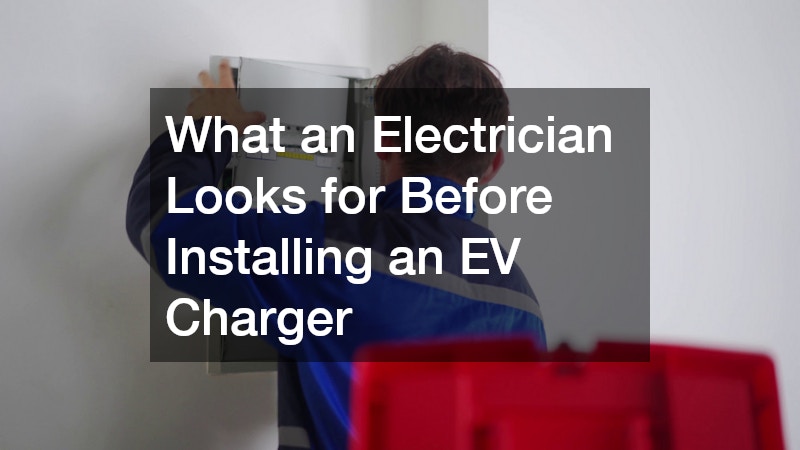
The first thing a professional examines is the main switchboard to determine if it can handle the additional current. Most residential EV chargers require either a 16-amp or 32-amp circuit, which represents a substantial increase in the total demand of the household.
The electrician calculates the ‘maximum demand’ of your property by evaluating existing high-draw appliances such as air conditioners, electric ovens and pool pumps. If the total load exceeds the capacity of your incoming mains, the switchboard may require an upgrade. This often involves installing new circuit breakers or a larger busbar to accommodate the charger without tripping the main power supply when multiple appliances run simultaneously.
Evaluating Residual Current Devices & Safety Switches
Safety is the primary concern when dealing with high-voltage vehicle charging. In Australia, standards require specific types of Residual Current Devices (RCDs) to protect against electrical faults. A standard Type A RCD, commonly found in many homes for light and power circuits, may not be sufficient for EV installations. Many modern chargers require a Type B RCD or a specialised EV-compatible safety switch that can detect DC leakage. If DC current leaks back into the AC supply, it can ‘blind’ a standard RCD, preventing it from tripping during a fault. Your contractor will check your current protection levels and likely install a dedicated safety switch specifically for the EV circuit to meet AS/NZS 3000 wiring rules.
Identifying the Optimal Installation Location
The physical location of the charger influences both the cost of installation and the ease of use. The professional will measure the distance between your switchboard and the desired mounting point in your garage or carport. Long cable runs require thicker wiring to account for ‘voltage drop’, which can increase material costs. Additionally, the mounting surface must be sturdy enough to support the weight of the charging unit and the heavy-duty cable. If you plan to install the unit outdoors, the electrician must ensure the equipment has an appropriate Ingress Protection (IP) rating to withstand the Australian elements, particularly during the heavy rains of summer in January or the morning frost of winter in July.
Reviewing Earthing & Supply Phase
The earthing system of your home provides a path for fault current to return safely to the ground. An older home may have a degraded earthing electrode or outdated bonding that is unsuitable for a modern EV charger. The installer will test the earth continuity to ensure that, in the event of a fault, the safety systems will activate immediately. Furthermore, they will identify whether your home has a single-phase or three-phase power supply. While single-phase is standard for most Australian units, a three-phase supply allows for much faster charging speeds (up to 22kW). If you have three-phase power available, the professional will discuss whether your vehicle can accept that rate of charge and if the extra wiring is a worthwhile investment.
Integrating With Solar & Smart Home Systems
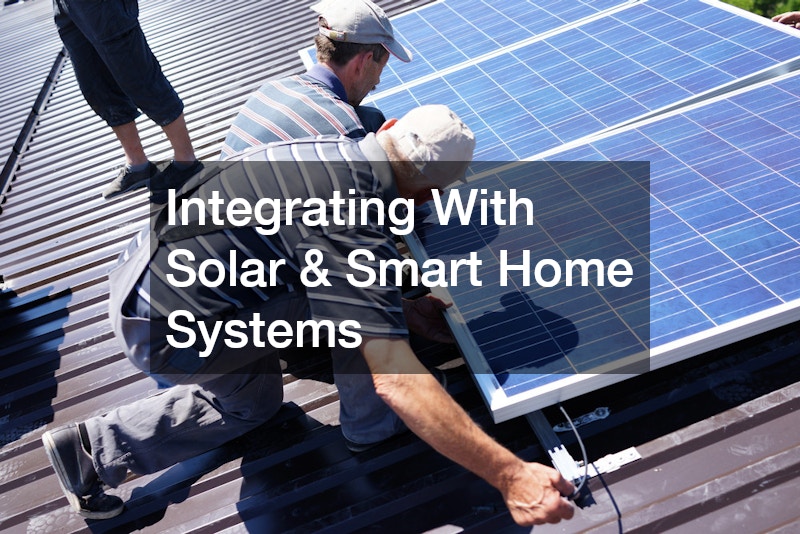
For many Australians, the goal of owning an EV is to charge it using ‘free’ energy from a rooftop solar system. During the pre-installation check, the professional reviews your solar inverter and any existing battery storage. They may recommend a ‘smart’ charger that can communicate with your solar system to prioritise charging when the sun is at its peak. This prevents you from drawing expensive power from the grid during peak evening periods. They will also check your mobile phone reception or Wi-Fi strength in the garage, as many modern chargers require an internet connection for software updates and remote scheduling via mobile apps.
A professional pre-installation assessment is the difference between a reliable charging solution and a potential electrical nightmare. By evaluating your switchboard capacity, safety switches, earthing and solar compatibility, a qualified professional ensures your home remains safe while your vehicle charges. While the technical requirements may seem complex, these checks protect your home, your family and your new vehicle investment. Engaging a licensed professional early in the process allows you to understand the costs and requirements upfront, ensuring that when your new EV arrives, you are ready to plug in with total peace of mind.