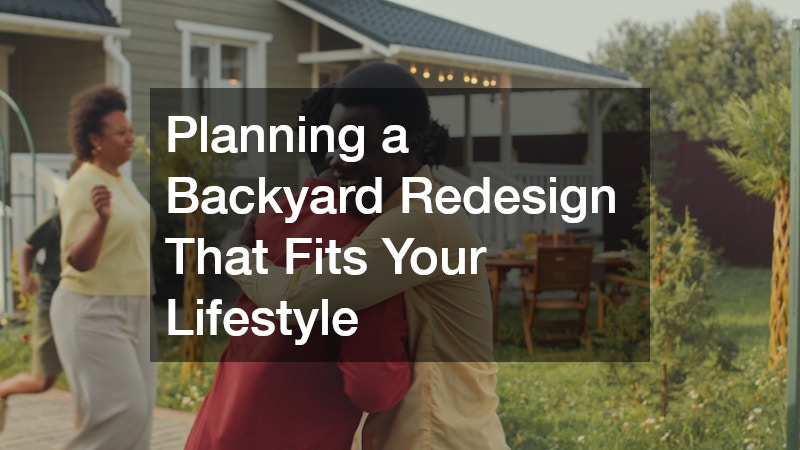

Redesigning a backyard is more than improving appearance; it’s about creating a space for living, relaxing, and connecting. A well-planned backyard supports quiet mornings, active afternoons, and social evenings. Prior to making changes, reflect on how the space fits your routines and goals. Thoughtful planning ensures a backyard that truly suits your lifestyle.
Lifestyle-focused planning considers space usage frequency, users, and peak seasons. Some people seek an indoor living extension, others prefer open spaces or dedicated activity areas. Climate, sun exposure, and privacy affect the backyard’s comfort and functionality throughout the year. Addressing these factors early makes design decisions clearer.
A successful redesign balances current needs with future adaptability. Families grow, interests change, and priorities shift. Planning for flexibility maintains usefulness without frequent updates.
Assessing how you use your outdoor space
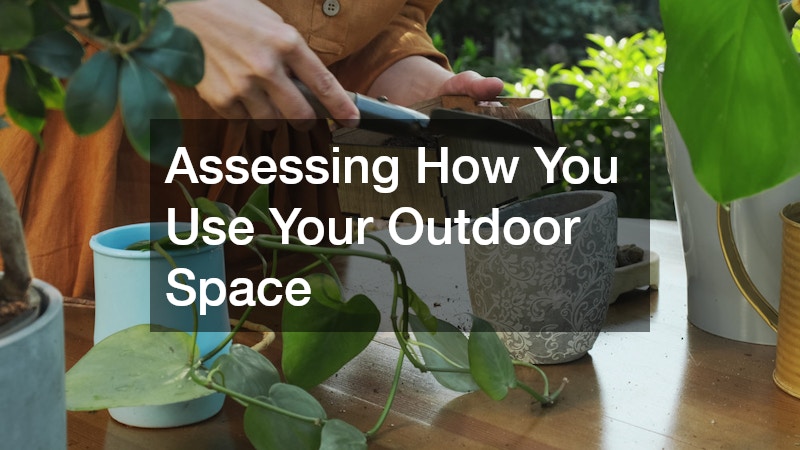
Understanding how an outdoor space is currently used is the foundation of a successful redesign. Many backyards have areas that are underused simply because they were never designed with daily habits in mind. Observing where people naturally gather, where foot traffic occurs, and which areas are avoided can reveal valuable insights. This assessment helps identify what is working well and what may need to change to better support everyday activities.
Usage patterns often vary by time of day and season. A space that feels comfortable in the evening may be too exposed during midday, while shaded areas may go unused during cooler months. Considering these patterns helps shape decisions about layout, seating, and circulation. It also highlights opportunities to create zones that serve different purposes without competing for space.
A clear understanding of backyard design allows homeowners to align functionality with personal preferences. Whether the goal is entertaining, relaxing, or creating room for movement, assessing current use helps guide priorities. This step prevents unnecessary features from being added and helps focus investment on elements that genuinely improve how the space is experienced.
Defining goals for comfort and functionality
Comfort and functionality should guide every major decision in a backyard redesign. Without clear goals, it is easy to create a space that looks appealing but feels awkward or inconvenient to use. Defining what comfort means on a personal level helps shape choices related to layout, shade, airflow, and accessibility. Some people prioritize quiet relaxation, while others focus on creating an environment suitable for gatherings or family activities.
Functional goals often relate to how the backyard connects with the home and how easily it supports daily use. Pathways, access points, and transitions between indoor and outdoor areas all influence how inviting the space feels. Comfort also depends on managing temperature, airflow, and exposure to the elements, especially during warmer months when outdoor use is most frequent.
In some cases, hvac installation becomes part of the planning process to support comfort in adjacent indoor spaces or enclosed outdoor areas. When outdoor features affect indoor temperature or airflow, coordinating comfort systems helps maintain consistency throughout the home. Defining these goals early allows design decisions to support both convenience and long-term usability.
Considering Maintenance Needs and Time Commitment
Every backyard redesign should account for how much time and effort will realistically be available for upkeep. Even the most visually appealing outdoor spaces can become sources of frustration if maintenance demands exceed what a homeowner can manage. Lawns, hardscaping, planting beds, and built features all require varying levels of attention, and those needs should align with daily schedules and long-term expectations. Thinking honestly about maintenance helps prevent a design from becoming overwhelming after the initial excitement fades.
Some homeowners enjoy hands-on care and see maintenance as part of the experience, while others prefer a space that stays functional with minimal effort. Seasonal changes, local climate, and natural growth patterns all influence how much upkeep is required. Choosing the right balance between natural elements and structured features allows the backyard to remain inviting without constant work. Planning for maintenance also includes considering how often repairs or replacements may be needed over time.
Material selection plays a major role in long-term upkeep, which is why building supplies should be chosen with durability and ease of care in mind. Weather-resistant materials, low-maintenance surfaces, and long-lasting finishes reduce the need for frequent repairs. When maintenance expectations are addressed early, the redesign supports a lifestyle that feels manageable and enjoyable rather than demanding.
Planning Layouts That Support Daily Activities
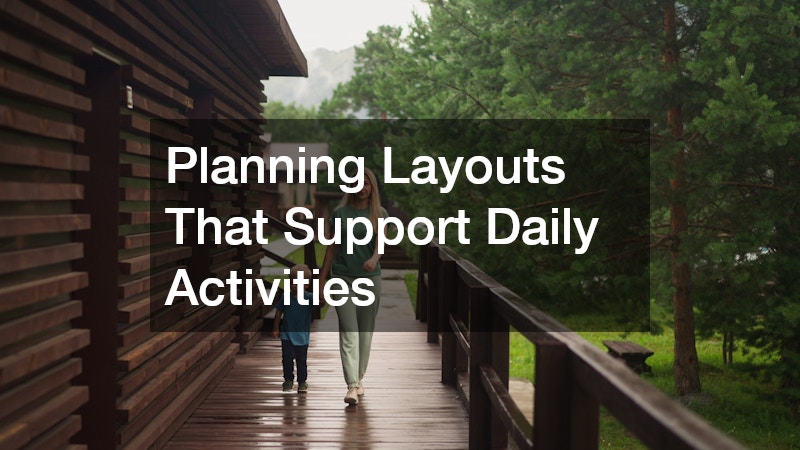
A well-planned layout helps an outdoor space function smoothly throughout the day. Without thoughtful organization, a backyard can feel disjointed or inefficient, even if individual features are attractive. Planning layouts around daily activities allows movement, seating, and gathering areas to work together naturally. This approach supports both casual use and special occasions without requiring constant rearrangement.
Daily routines often dictate how a backyard should flow. Morning coffee, children’s playtime, pet activity, and evening relaxation may all require different zones. Clear pathways and visual separation between areas help prevent overlap and confusion. Layout planning also considers how outdoor spaces connect to indoor living areas, creating transitions that feel natural and accessible rather than abrupt or inconvenient.
Structural elements such as custom doors can influence how easily these spaces interact. Doors that open directly to functional outdoor zones improve flow and encourage more frequent use of the backyard. When layouts support daily habits, the space feels intuitive rather than forced.
Choosing Materials Suited to Your Environment
Environmental conditions should heavily influence material choices in any backyard redesign. Sun exposure, moisture levels, temperature swings, and wind patterns all affect how materials perform over time. Selecting options that withstand local conditions helps protect the investment and reduces the likelihood of premature wear. Materials that work well in one climate may struggle in another, making regional considerations essential.
Durability and performance are just as important as appearance. Surfaces exposed to direct sunlight may fade or overheat, while areas prone to moisture require materials resistant to warping or deterioration. Thoughtful material selection also contributes to safety, comfort, and usability, especially in high-traffic areas. When materials align with environmental demands, the backyard remains functional across seasons.
In some redesigns, coordination with a roofing contractor may be necessary to address drainage, overhangs, or structures connected to the home. Roofing elements can influence water flow, shade, and protection for outdoor areas below. Choosing materials that work in harmony with these features helps create a cohesive and resilient design.
Balancing Privacy, Shade, and Openness
A backyard redesign should strike a balance between feeling open and providing a sense of privacy. Too much exposure can make the space feel uncomfortable, while excessive enclosure may limit light, airflow, and flexibility. Privacy, shade, and openness all work together to shape how inviting the space feels throughout the day. Thoughtful planning helps create an environment that feels relaxed without being closed off.
Shade plays a major role in comfort, especially during warmer months. Natural shade, built structures, and layout choices all influence how usable the space is at different times of day. Privacy considerations also vary based on proximity to neighbors, street visibility, and surrounding structures. Visual barriers do not have to feel heavy or permanent to be effective. Strategic placement can soften boundaries while maintaining a welcoming atmosphere.
Trees often contribute to both shade and privacy, which is where a tree trimming service may become part of the planning process. Proper trimming helps manage light, airflow, and sightlines without sacrificing the natural character of the space. When trees are maintained intentionally, they support comfort while keeping the backyard open and balanced.
Incorporating Features for Relaxation and Entertaining
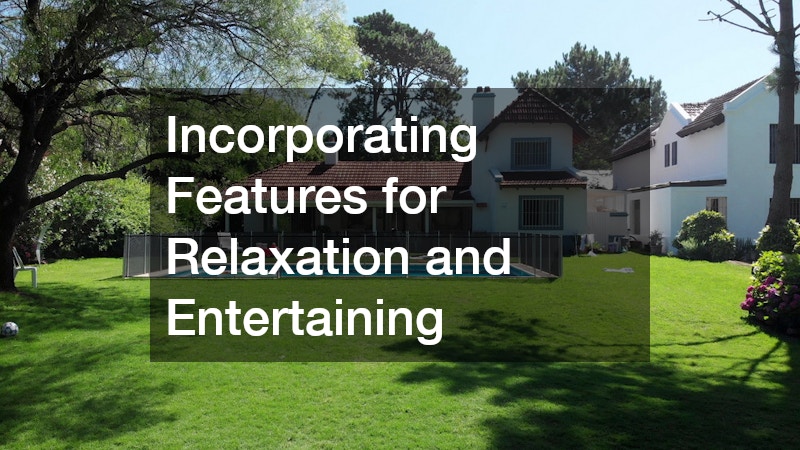
Backyards often serve multiple purposes, from quiet relaxation to hosting gatherings with friends and family. Incorporating features that support both uses requires thoughtful planning so the space does not feel crowded or overly specialized. Comfortable seating, flexible layouts, and easy access to amenities help the backyard adapt to different occasions without constant rearrangement.
Relaxation-focused features may include shaded seating, open lawn areas, or spaces designed for conversation. Entertaining areas benefit from clear circulation, durable surfaces, and proximity to the home. When these elements are planned together, the backyard can shift easily from calm to social without sacrificing comfort. This flexibility helps ensure the space remains useful rather than limited to specific events.
Functional considerations often extend behind the scenes, which is why a plumber may be involved when adding water features, outdoor kitchens, or entertainment-related utilities. Proper planning helps these additions operate smoothly and reliably.
Accounting for Budget and Long-Term Value
Budget planning is a critical part of any backyard redesign, especially when considering long-term value. It is easy to focus on immediate visual impact, but thoughtful budgeting helps balance upfront costs with durability and ongoing use. A well-planned investment prioritizes features that enhance daily enjoyment while holding their value over time.
Long-term value often comes from choosing adaptable designs and durable materials rather than chasing trends. Features that serve multiple purposes or evolve with changing needs help prevent costly updates later. Phasing a project over time can also make larger goals more manageable without compromising overall vision. Clear priorities help guide spending toward elements that deliver the greatest benefit.
In projects that include major focal points, a custom pool builder may be part of the long-term planning conversation. Pools can significantly influence both enjoyment and property value when designed intentionally. Accounting for installation, maintenance, and integration with the rest of the yard helps protect the investment.
Preparing for Drainage, Grading, and Utilities
Proper drainage and grading are essential to the long-term success of any backyard redesign. Without careful planning, water can pool in unwanted areas, damage surfaces, or create ongoing maintenance issues. Evaluating how water currently moves through the yard helps identify low spots, slopes, and areas where runoff may affect usability. Addressing these factors early protects both the design and the surrounding structures.
Grading decisions influence everything from plant health to surface stability. A well-graded yard supports consistent drainage while creating a level, comfortable environment for daily activities. Utility placement also matters, as irrigation lines, lighting, and other systems should be installed in a way that supports the overall layout rather than limiting future changes. Planning these elements together reduces the risk of costly adjustments later.
Selecting appropriate landscaping materials plays an important role in managing drainage and durability. Permeable surfaces, properly layered bases, and moisture-resistant materials help control water flow while maintaining visual appeal. When materials are chosen with environmental conditions in mind, the backyard becomes easier to maintain and more resilient.
Designing Flexibility for Future Lifestyle Changes
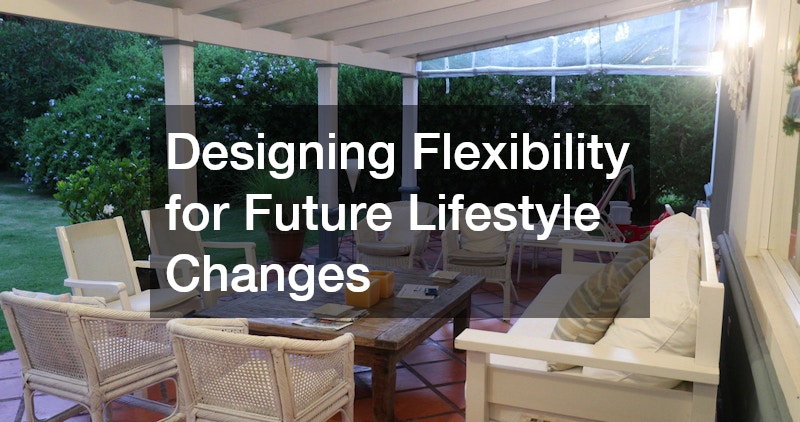
A backyard redesign should anticipate change rather than lock the space into a single purpose. Families grow, hobbies evolve, and priorities shift over time, making flexibility an important design consideration. Creating adaptable zones allows the backyard to remain useful even as needs change. Open layouts and multipurpose areas help the space transition smoothly without requiring major reconstruction.
Flexible design often involves leaving room for future additions or adjustments. This might include open areas that can later accommodate new features or layouts that support multiple activities. Thoughtful planning helps avoid designs that feel outdated or restrictive as lifestyles evolve. When flexibility is built in from the beginning, the backyard can grow along with the people who use it.
Incorporating structural elements with adaptability in mind may involve collaboration with a deck builder. Decks designed with modular layouts or expansion potential can support changing uses over time. When structures are planned for adjustment rather than permanence, they contribute to long-term value. Designing flexibility helps ensure the backyard remains relevant, functional, and enjoyable for years to come.
Planning a backyard redesign that fits your lifestyle requires more than selecting attractive features. It involves understanding how the space is used, how it will be maintained, and how it can adapt over time. From assessing daily habits to accounting for environmental conditions and long-term goals, thoughtful planning creates a backyard that feels intentional rather than accidental. Each decision contributes to how comfortable, functional, and welcoming the space becomes.
A lifestyle-focused approach helps balance immediate enjoyment with future needs. By prioritizing usability, durability, and flexibility, homeowners can avoid unnecessary updates and frustration. Careful coordination between layout, materials, and infrastructure supports a space that works consistently rather than requiring constant adjustment. When planning is guided by real-life use, the backyard becomes an extension of everyday living rather than a separate project.