When your vehicle is stranded due to a tire issue, selecting the right roadside tire service can significantly influence the outcome. Whether you are dealing with a flat tire, a blowout, or damaged wheels, the ability to quickly resume your journey depends on the reliability and professionalism of the provider you choose. With so many services available, making an informed decision requires understanding what sets one company apart from another.
This article explores the most important factors to consider when choosing a roadside tire service. From availability and coverage to pricing and reliability, each element plays a role in ensuring you receive prompt, efficient, and stress-free assistance when you need it most.
What Are the Key Factors to Consider?
Service Availability
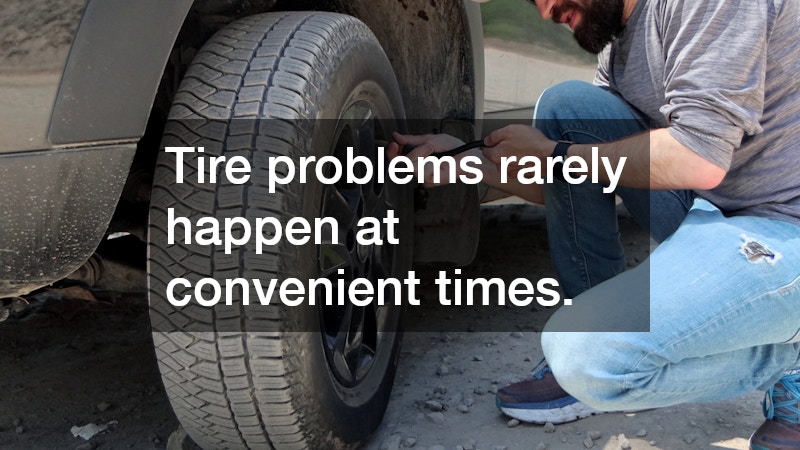
One of the first things to look for in a roadside tire service is availability. Tire problems rarely happen at convenient times, which is why 24/7 service is essential. A provider that operates around the clock ensures you are never left stranded, whether it is late at night, during bad weather, or on a holiday.
Response time is equally important. A company that can reach you quickly can turn a stressful situation into a minor inconvenience. Look for providers that clearly communicate their average response times and have systems in place to handle emergency calls efficiently.
Coverage Area
The geographical coverage of a roadside tire service is another critical factor. Some providers operate only in limited regions, while others offer broader coverage across cities, suburbs, and rural areas. Make sure the service includes the areas you frequently travel, especially if you often drive long distances or through remote locations.
It is also important to understand whether highways, back roads, and less-populated areas are included in the coverage. Many drivers assume they are covered everywhere, only to discover restrictions when they need help the most. Checking coverage maps or speaking directly with customer support can prevent unpleasant surprises.
Some providers partner with other companies to extend their reach beyond their primary service zones. These partnerships can improve reliability and ensure you receive assistance even outside the main coverage area.
Types of Services Offered
Not all roadside tire services offer the same level of support. Some only handle basic flat tire changes, while others provide more comprehensive services such as tire replacements, wheel alignments, and even towing. A provider that offers a wide range of solutions can save you time and stress in more complicated situations.
Modern services may also include mobile units equipped with advanced tools to diagnose tire-related issues, recalibrate sensors, or replace damaged components on-site. These capabilities reduce downtime and help you get back on the road faster.
When evaluating services, consider reading customer reviews to assess not only what is offered, but how well it is delivered. A broad range of services is most valuable when paired with professional, efficient execution.
How to Assess the Reliability of a Roadside Tire Service
Reading Customer Reviews
Customer reviews are one of the most effective ways to measure reliability. Consistent positive feedback often reflects strong performance, punctuality, and good customer service. Instead of focusing on one or two extreme reviews, look for recurring themes that highlight how the company treats its customers.
Reviews can also reveal how well a provider communicates during delays or resolves complaints. Companies that respond professionally to feedback usually demonstrate a commitment to customer satisfaction.
Pay close attention to reviews that describe emergency situations. These real-world experiences show how well a roadside tire service performs under pressure, which is exactly when reliability matters most.
Checking Certifications and Experience
Certifications and industry experience are strong indicators of quality. Technicians with proper training are better equipped to handle complex tire issues safely and efficiently. Providers that invest in ongoing education for their staff show a commitment to high service standards.
Experience also matters. A company that has handled thousands of roadside calls is more likely to diagnose problems quickly and provide effective solutions. Look for affiliations with reputable automotive organizations, as these often reflect adherence to industry best practices.
Service Guarantees
A service guarantee shows confidence in workmanship. Providers that stand behind their repairs and replacements demonstrate accountability and professionalism. Guarantees often cover labor quality, parts, and follow-up service if issues arise.
Before choosing a provider, review their guarantee policies carefully. Clear, transparent terms help you understand what is covered and for how long. A strong guarantee adds value and reduces the risk of unexpected costs.
What Costs Are Involved and How Can They Vary?
Understanding Pricing Structures
Pricing for roadside tire service can vary based on location, time of day, and the complexity of the issue. Some companies charge flat rates, while others use variable pricing depending on distance or services required.
Always ask whether the quoted price includes additional fees such as mileage, after-hours charges, or equipment costs. Transparent pricing helps you avoid surprise expenses.
Choosing the right roadside tire service requires careful evaluation of several important factors. Availability, coverage, service options, reliability, and pricing all play a role in determining how smoothly your experience will go during a roadside emergency.
By researching customer reviews, checking certifications, and understanding pricing structures, you can confidently select a provider that delivers dependable assistance. Membership options may offer added convenience and savings, especially for frequent drivers.