A well-designed outdoor barrier does more than define a property’s edges—it creates a sense of safety, privacy, and visual harmony. Homeowners today are increasingly seeking solutions that protect their space while enhancing curb appeal and long-term property value. Modern exterior design trends focus on blending durability with aesthetics, ensuring that security features don’t feel harsh or industrial, but instead complement the home’s architecture and landscaping.
From selecting the right materials to planning access points and working with professionals, many decisions influence the final outcome of a secure, stylish perimeter. This guide walks through each stage of the process in detail, helping homeowners make informed choices that balance function, beauty, and long-term performance.
Assessing Your Property’s Security Weak Points
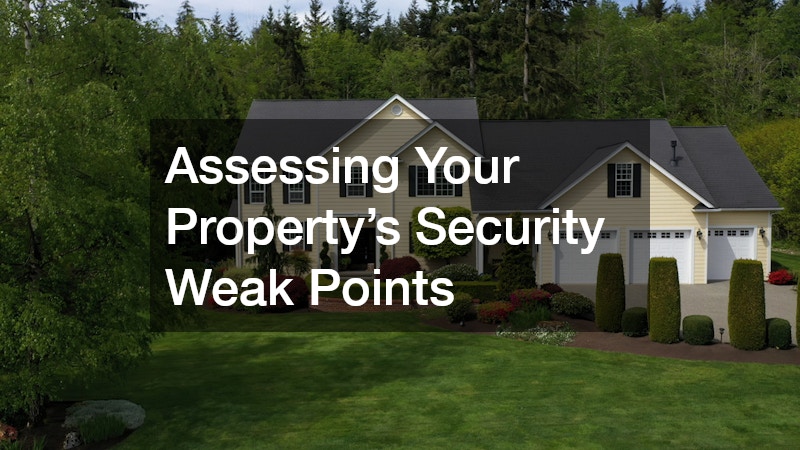
Before choosing any design or material, it’s essential to understand where your property may be vulnerable. Every home has different risk areas depending on its layout, street visibility, surrounding environment, and even how the property has been landscaped over time. A security barrier is only as strong as its weakest point, so careful evaluation is the foundation of an effective plan.
Start by walking the perimeter of your property slowly and deliberately, ideally at different times of day. Morning, afternoon, and nighttime conditions can reveal issues that may not be obvious during a single walkthrough. As you inspect, take detailed notes on the following:
- Areas with low visibility or poor lighting
- Easy entry points, such as side yards or rear access
- Gaps in existing barriers or worn-out sections
- Landscaping features that may provide cover for intruders
- Uneven ground that could affect barrier stability
- Locations where wildlife or pets may create openings over time
It can also be helpful to view your property from the outside, as if you were an unfamiliar observer. This perspective often highlights blind spots that homeowners overlook because of familiarity.
At this stage, many homeowners benefit from consulting fencing contractors, who can evaluate structural weaknesses and recommend improvements based on experience with similar properties. Professionals often notice issues such as soil shifting, improper post depth, or outdated materials that may not be obvious during a basic inspection.
Working with a local fence contractor can also provide insight into regional challenges such as weather conditions, soil stability, and neighborhood security trends. Their knowledge helps ensure that your planning stage is both realistic and tailored to your environment, especially in areas where seasonal changes can affect structural integrity over time.
Key considerations during assessment include:
- Visibility from neighbors and street traffic
- Distance between home structures and property lines
- Existing access control points
- Future expansion or landscaping plans
- Potential interference from trees, roots, or slopes
A strong security plan always begins with understanding the land itself, not just the structure you intend to build on it.
Choosing the Right Style for Security and Curb Appeal
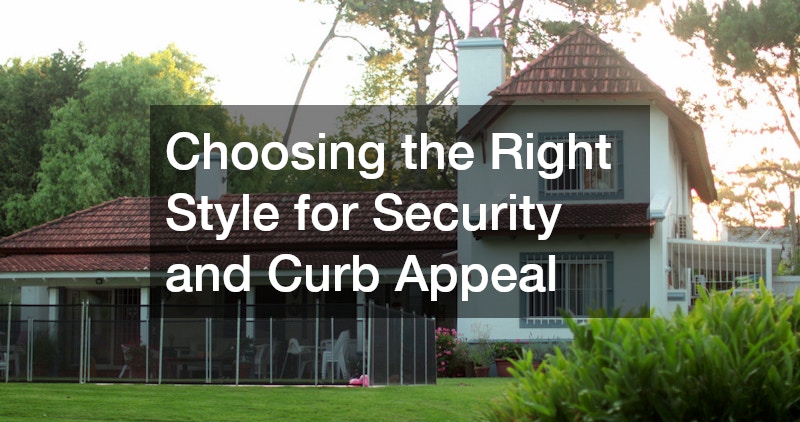
Once the property’s weak points are identified, the next step is selecting a style that enhances both protection and appearance. The right design should complement your home while still providing a strong physical and visual barrier. This stage is where functionality and aesthetics must work together rather than compete. A well-chosen style can make a home feel more inviting while still discouraging unwanted access.
Modern homeowners often explore options from vinyl fence companies, especially when seeking low-maintenance, visually clean solutions. Vinyl designs are popular because they resist weather damage, require no regular painting or sealing, and maintain a polished look over time. They are especially effective in neighborhoods where consistent appearance and durability are priorities, and they come in a variety of textures that can mimic wood without the upkeep.
Choosing a reliable fence company can help narrow down design choices by offering catalogs, material samples, and installation previews. Professional guidance ensures that your selection aligns with both security goals and neighborhood aesthetics. Many companies also provide digital renderings, allowing homeowners to visualize how different styles will look on their actual property before committing.
When choosing a style, consider:
- Height and opacity for privacy levels
- Horizontal vs vertical design structures
- Color coordination with the home exterior
- HOA or community guidelines
- How the style will age over time in your climate
It is also important to think about sightlines. A design that is too open may reduce security, while one that is too solid may feel imposing or block natural light. The goal is to find a balance that feels intentional rather than purely defensive.
Popular style approaches include:
- Full privacy panels for maximum security
- Semi-open designs for airflow and visibility
- Decorative tops for added curb appeal
- Mixed-material designs for a modern look
- Textured finishes that soften visual impact
Balancing function with style ensures that your barrier enhances the property rather than overwhelming it, creating a cohesive look that feels both secure and thoughtfully designed.
Selecting Durable and Weather-Resistant Materials
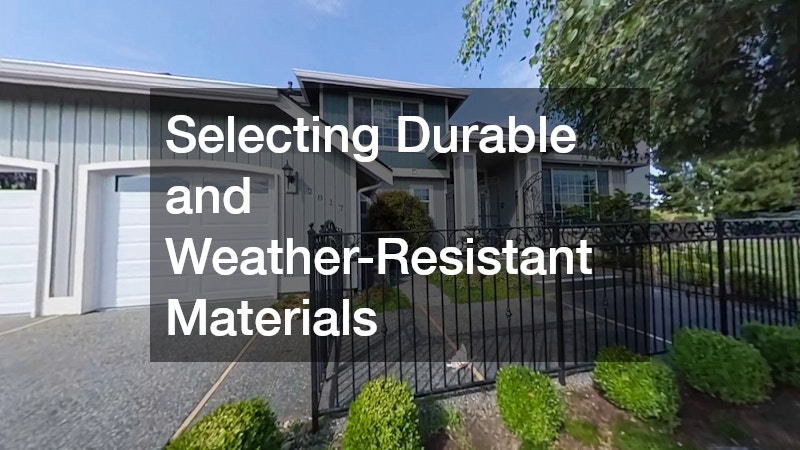
Material selection is one of the most important factors in long-term performance. The wrong choice can lead to frequent repairs, warping, fading, rusting, or reduced security effectiveness over time. Since outdoor barriers are constantly exposed to changing weather conditions, investing in the right materials upfront has a direct impact on durability, safety, and long-term cost efficiency.
High-quality fencing materials are designed to withstand environmental stress while maintaining structural integrity. These may include treated wood, composite blends, aluminum, or reinforced vinyl systems. Each option performs differently depending on climate conditions such as humidity, snowfall, high heat, or strong winds. For example, areas with heavy rainfall may require materials with strong moisture resistance, while hot climates demand UV-resistant finishes to prevent fading and cracking.
Consulting experienced fence builders helps homeowners understand which materials best suit their climate and soil conditions. Builders often provide real-world insight into how different materials age over time, including common failure points and maintenance expectations. This type of expertise is especially valuable when dealing with sloped yards, loose soil, or coastal environments where corrosion and shifting ground can affect stability.
When evaluating materials, consider:
- Resistance to moisture, wind, and sun exposure
- Maintenance requirements over time
- Lifespan and warranty coverage
- Visual compatibility with landscaping
- Repair difficulty and replacement cost
Additional practical considerations include how materials respond to temperature changes and whether they expand or contract significantly throughout the seasons. These small shifts can affect alignment and long-term stability if not properly accounted for during installation.
Material comparison overview:
- Wood: Natural appearance but higher maintenance
- Vinyl: Low maintenance and weather-resistant
- Metal: High strength and durability
- Composite: Balanced appearance and longevity
Some homeowners also consider long-term sustainability, choosing materials that are recyclable or produced through eco-friendly processes. Others prioritize sound reduction or privacy performance, which can vary significantly between material types.
Choosing wisely at this stage reduces long-term maintenance costs, improves overall performance, and ensures the structure remains both functional and visually appealing for years to come.
Planning Secure and Functional Entry Points
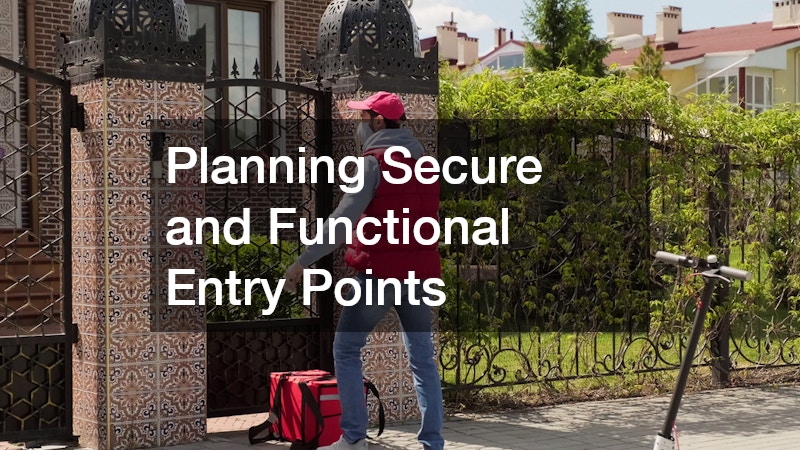
Access points are just as important as the barrier itself. A poorly designed entry system can weaken even the strongest perimeter, creating vulnerabilities that are easy to exploit. Thoughtful planning ensures that gates not only provide security but also support everyday convenience for residents, guests, and service providers.
Working with a gate installation company ensures that entry points are both secure and convenient. Proper gate placement improves daily usability while effectively controlling access, especially in homes with frequent vehicle traffic or multiple entry points. Placement should always account for natural traffic flow, driveway angles, and visibility from the home to improve both safety and monitoring.
Professional fence installation services help ensure that gates align correctly with the surrounding structure. Poor alignment can lead to sagging, locking issues, and reduced lifespan. Proper installation also ensures that hinges, tracks, and support posts are reinforced to handle repeated use without structural stress.
Important considerations for entry planning:
- Primary vs secondary access points
- Driveway width and clearance
- Locking and security mechanisms
- Smart access or automated systems
- Lighting placement for nighttime visibility
- Emergency access requirements
Common gate options include:
- Swing gates for traditional layouts
- Sliding gates for space-saving designs
- Automated gates with remote access
- Pedestrian-only side gates
- Double gates for wider vehicle entry
A well-planned entry system strengthens both safety and convenience while ensuring the entire perimeter works as a unified, functional security solution.
Professional Installation vs DIY Approach
Installing a perimeter system is a major project that requires precision and experience. While some homeowners consider DIY options, professional help often delivers better long-term results.
Hiring experts who offer local fence services ensures that installation follows proper standards, from post depth to alignment accuracy. This reduces the risk of future structural issues.
Experienced fencing contractors bring specialized tools and knowledge that improve efficiency and durability. They also handle unexpected challenges such as uneven terrain or underground obstacles.
Key differences between DIY and professional installation:
Professional advantages:
- Accurate measurements and leveling
- Faster completion times
- Warranty and service support
- Compliance with local codes
DIY risks:
- Misaligned posts or uneven panels
- Higher chance of structural failure
- Lack of specialized tools
- Time-consuming corrections
For most homeowners, professional installation offers better long-term value and peace of mind.
Enhancing Privacy Without Sacrificing Style
Privacy is one of the main reasons homeowners invest in exterior barriers, but it doesn’t have to come at the expense of design. A well-planned structure can provide both seclusion and visual appeal.
A trusted fence company can help design layouts that maximize privacy while maintaining architectural harmony. This may include adjusting height, spacing, or material combinations.
Many homeowners also revisit options from vinyl fence companies when privacy is a priority, as vinyl panels can be manufactured in full-coverage styles with minimal gaps.
Strategies for improving privacy:
- Increase height in key areas
- Use staggered panel designs
- Incorporate landscaping like shrubs or hedges
- Add decorative screening elements
Design tips:
- Use lighter colors to reduce visual heaviness
- Combine solid and semi-open sections
- Align structure with natural property lines
- Avoid overly uniform designs that feel rigid
Privacy solutions should feel natural, not restrictive.
Long-Term Maintenance and Security Upkeep
Even the best-installed barrier requires ongoing care to maintain strength and appearance. Regular maintenance prevents small issues from turning into costly repairs.
Proper attention to fence installation quality at the beginning helps reduce long-term maintenance needs. Well-installed systems naturally experience fewer alignment and stability issues.
High-quality fencing materials also play a major role in minimizing upkeep. Durable materials reduce the frequency of painting, sealing, or replacement.
Maintenance checklist:
- Inspect posts and panels twice a year
- Clean surfaces to remove dirt and debris
- Check for loose hardware or fasteners
- Repair minor damage immediately
Seasonal care tips:
- Winter: Check for frost-related shifting
- Spring: Inspect for storm damage
- Summer: Clean and protect from UV exposure
- Fall: Clear debris and prepare for cold weather
Consistent maintenance extends lifespan and preserves security.
Working With Local Professionals for Best Results
Choosing the right professionals can significantly impact the success of your project. Local expertise ensures that installations are adapted to regional conditions and regulations.
Experienced local fence contractors offer tailored solutions tailored to terrain, weather, and neighborhood requirements. Their familiarity with local codes helps prevent compliance issues.
Skilled fence builders also play a key role in ensuring structural integrity and design precision. Their craftsmanship directly affects durability and appearance.
When selecting professionals, look for:
- Verified licensing and insurance
- Portfolio of completed projects
- Transparent pricing and contracts
- Strong local reputation
Questions to ask:
- What materials do you recommend for my property?
- How long will installation take?
- What warranties are included?
- Do you offer maintenance services?
Working with local experts ensures a smoother and more reliable experience.
Improving Property Value Through Strategic Security Upgrades
A well-designed exterior barrier does more than improve safety—it can significantly increase property value. Buyers often view strong perimeter systems as a major advantage, especially when they combine durability with attractive design.
Upgrades from experienced local fence services can modernize older systems, improving both appearance and functionality. This is especially valuable when preparing a home for resale.
In addition, strategic local gate installation adds convenience and enhances perceived security, thereby positively influencing buyer interest.
Value-boosting improvements:
- Upgrading worn materials
- Adding automated entry systems
- Improving design consistency across the property
- Enhancing lighting around perimeter areas
Benefits of upgraded security features:
- Higher resale value
- Increased buyer confidence
- Improved curb appeal
- Better long-term durability
Investing in smart upgrades ensures both immediate lifestyle benefits and long-term financial return.
Enhancing property security while maintaining visual appeal requires thoughtful planning, quality materials, and the right professional support. From initial assessment to final installation, every step contributes to a safer and more attractive home environment. By focusing on durability, design harmony, and proper maintenance, homeowners can create outdoor barriers that not only protect their property but also elevate its overall value and livability.