
The process of designing a swimming pool requires careful planning and consideration, especially when it comes to creating the pool site plan. This article will guide you through the essential aspects you need to consider for your dream pool.
What factors should be considered in pool site selection?
Before you start digging, it’s critical to research and understand local regulations and obtain the necessary permits. Most jurisdictions have specific requirements for pool fencing, setbacks from property lines, and drainage that must be adhered to.
Ensuring compliance with these regulations not only avoids potential legal issues but also enhances pool safety for everyone.
Obtaining the right permits may seem daunting, but it’s a crucial step in the planning process. Permits ensure that your pool construction meets all safety standards and building codes. Having these permissions in place can also contribute to the smoother resale of your property in the future.
Evaluating Soil and Topography
An assessment of your site’s soil and topography can prevent future issues with pool stability and drainage. Certain soil types, like expansive clay, can pose risks to structural integrity if not properly managed. Engineers often recommend soil testing as part of initial site evaluations to identify potential challenges early.
Understanding topography is equally vital, as it influences drainage and structural requirements. A sloped site may require additional engineering solutions such as retaining walls or grading adjustments. Solutions from these evaluations ensure not only the pool’s longevity but also reduce unforeseen costs in long-term maintenance.
How do you design a pool that complements your landscape?
Designing with natural elements can enhance the aesthetic appeal and create a seamless integration with the surroundings. Utilizing materials like stone, wood, and plants offers a harmonious transition between the pool and natural landscape. This approach not only contributes to visual appeal but also fosters a tranquil environment.
Water features such as waterfalls or rock formations can enhance sensory experiences, providing sights and sounds that mimic natural bodies of water. Selecting vegetation that thrives in your climate ensures sustainability and reduced maintenance efforts. Thoughtful integration of these elements can set your pool apart as a centerpiece of your backyard oasis.
Choosing the Right Shape and Style
The shape and style of your pool should reflect both your personal taste and complement the overall design of your property. Rectangular pools offer a classic, timeless look that pairs well with formal gardens or modern architecture. On the other hand, freeform pools lend themselves to casual, organic aesthetics ideal for landscapes aiming for a natural appearance.
Considerations like intended use, space constraints, and architectural themes guide these decisions. Families with young children might prefer shapes that include shallow play areas. Meanwhile, lap swimmers often opt for elongated designs tailored for exercise.
Planning for Poolside Features
Thoughtful consideration of poolside amenities like decks and seating areas will enhance your pool experience. A strategically designed pool deck not only provides functionality but also defines the aesthetic boundary between pool and landscape. Material choices like wood, stone, or pavers affect both visual appeal and usability.
Amenities like outdoor kitchens, firepits, and cabanas extend the utility of your pool space beyond swimming. Whether you host gatherings or seek solitude, creating versatile outdoor zones encourages a greater connection with the environment. Integrating weather-resistant furniture ensures long-lasting enjoyment regardless of seasonal climates.
What are the latest trends in pool design and technology?
Explore the integration of smart technology for efficient and convenient pool management. Advances in automation systems enable remote control of pool functions such as temperature, filtration, and lighting. This tech-savvy solution caters to the modern homeowner seeking streamlined accessibility at their fingertips.
Supplementary devices like smart pumps, heaters, and chlorinators offer energy-saving benefits that align with sustainability goals. An automated pool cleaner can reduce manual maintenance, contributing to more time spent enjoying the pool rather than servicing it. Smart technology innovation continues to revolutionize how pools fit into everyday lives.
Sustainable and Energy-Efficient Designs
Sustainable pool designs can minimize energy usage and lower environmental impacts. Incorporating solar heating is one method by which homeowners can utilize renewable resources for maintaining warm water temperatures. The addition of energy-efficient pool pumps further conserves electricity while ensuring effective circulation.
Using eco-friendly materials reduces the environmental footprint associated with construction processes. Alternatives such as recycled glass pool finishes present sustainable options that do not sacrifice quality or aesthetics. Investing in high-efficiency filtration systems can lower water waste and maintain pool cleanliness.
Innovative Aesthetic Enhancements
Learn about the latest trends in pool finishes, lighting, and water features that can make your pool stand out. Materials like glass tile, pebble aggregate, and exposed aggregate offer diverse textures and colors to set custom tones for your pool area. These finishes can dramatically transform pool environments into dynamic works of art.
Underwater LED lighting advances grant opportunities to create dramatic nightscapes, extending the utility and enjoyment of your pool after dark. Custom lighting programs can evoke particular ambiance or synchronize with water features for dramatic flair. This creativity in lighting and design enhances safety while making visual statements.
Conclusion
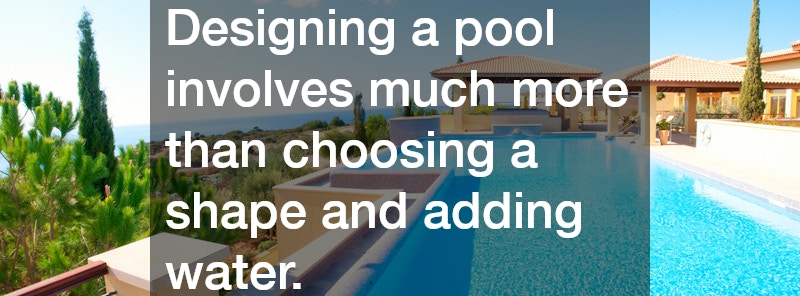
Designing a pool involves much more than choosing a shape and adding water. By considering site selection, landscape integration, and modern design trends, you can create a stunning, functional, and sustainable oasis that enhances your property and lifestyle. Paying attention to regulatory compliance, sun and wind patterns, and natural design complementing ensures a seamless ensemble that reflects sophistication and environmental stewardship.
Your swimming pool is more than a water feature – it’s a lifestyle choice. By prioritizing thoughtful design, regulatory adherence, and technological integration, you craft an enduring legacy for yourself, your family, and the environment. Dive into the world of swimming pool design thoughtfully to maximize both aesthetic and utility gains.