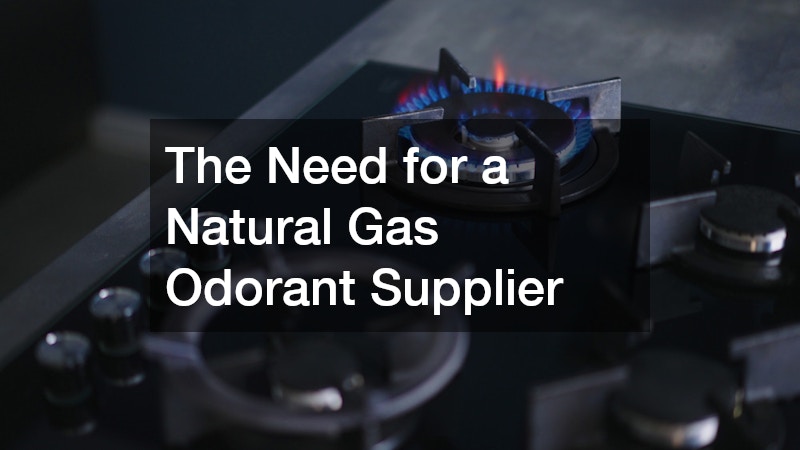
The role of a natural gas odorant supplier is critical in ensuring safety and compliance in the natural gas industry. This article explores the significance and the frequently asked questions related to the need for a reliable natural gas odorant supplier. With the increasing reliance on natural gas as a source of energy, it’s vital to understand the mechanisms that keep this sector safe.
Odorization in natural gas is not just a safety protocol but also a regulatory requirement in many regions. The partnership between natural gas providers and odorant suppliers forms the backbone of an effective natural gas distribution system.
Why is odorization necessary in natural gas?
Odorization is a safety measure that allows for the detection of leaks by providing a distinctive smell to an otherwise odorless natural gas. This practice ensures that leaks are detected swiftly, minimizing risks to human life and property. The characteristic smell, often likened to rotten eggs, is due to the addition of chemicals like mercaptan. Without this added scent, detecting leaks would be much more difficult, posing a serious threat. Safety is thereby enforced through this simple yet effective method, emphasizing the importance of reliable suppliers for odorization chemicals.
Natural gas has become an essential component of the global energy mix, powering homes and industries worldwide. Its odorlessness, coupled with its flammability, makes it a hazard without proper precautions. Regulatory bodies enforce strict guidelines for odorization, necessitating that gas is detectable at a concentration far below the combustible limit. This fine balance of safety is achieved through the expertise of specialized natural gas odorant suppliers. These suppliers ensure that the gas used in domestic, commercial, and industrial settings is safe for use.
What are the benefits of having a specialized natural gas odorant supplier?
Specialized suppliers ensure the consistent quality and reliable supply of odorants, contributing to effective leak detection and regulatory compliance. This specialization means they have the necessary infrastructure and expertise to handle and distribute odorants safely. Access to quality odorants is paramount in mitigating risks associated with gas distribution. Suppliers bring significant value through innovation and adherence to best practices in chemical handling and logistics. Their focus on safety, efficiency, and regulatory compliance makes their role indispensable to the natural gas industry.
Working with a specialized supplier means having access to a comprehensive support system tailored to the needs of the natural gas provider. Suppliers often provide additional services such as training for proper storage and handling of odorants, aiding in the prevention of accidents. Furthermore, specialized suppliers are well-versed with industry regulations and can assist in navigating compliance challenges effectively. Their expertise helps to streamline operations and reduce costs associated with mishandling of substances. Consequently, specialized suppliers are vital partners in achieving operational excellence in gas odorization.
The relationship between natural gas companies and their suppliers is built on reliability and trust. Suppliers are committed to delivering odorants that meet stringent quality measures, especially given that quality affects gas detectability. In times of crisis, such as supply chain disruptions, having a reliable supplier ensures continuity of operations. More importantly, these suppliers are often involved in advancing technology within the field, leading to innovations such as environmentally friendly odorant alternatives. The strategic advantages gained from these partnerships reinforce the importance of specialized suppliers.
How is the quality of natural gas odorants ensured?
Quality is ensured through rigorous testing and adherence to industry standards, supported by experienced and knowledgeable suppliers. The chemical potency, stability, and suitability of odorants are crucial for maintaining public safety. Suppliers conduct thorough quality control checks at various stages from production to delivery, ensuring excellence in every batch delivered. Industry standards, such as those outlined by the Gas Technology Institute, outline necessary benchmarks and practices for producing odorants that are effective and safe. Surveys and audits are regularly performed to uphold these standards and maintain the trust of stakeholders in the industry.
Technical advancements and research fuel continuous improvements in the quality assurance processes of odorant production. Innovations in laboratory technologies enable more precise analyses of chemical properties and performance under varied conditions. Suppliers actively engage in research and development to refine their supply chain processes, enhancing product reliability. In addition, environmental considerations are now being integrated into quality control measures, with newer formulations aimed at reducing ecological impact. This commitment to innovation underlines why trusted suppliers are crucial in the broader natural gas ecosystem.
The partnership with a competent natural gas odorant supplier is indispensable for safety and efficiency in the energy sector, ensuring the environmental and community protection. Addressing these commonly asked questions provides insight into the essential role of odorization specialists. The presence of a distinctive odor in natural gas is a testament to the diligent efforts of suppliers who work behind the scenes, fostering trust and safety. These partnerships assure consistency and reliability, preventing potential hazards associated with gas leaks. All stakeholders, from suppliers to end-users, benefit from the assurance of a safe and secure natural gas industry.