
Selling a home is one of the most significant financial transactions of a lifetime. In today’s competitive real estate market, buyers have become increasingly discerning. The rise of home renovation media and the accessibility of property data mean that modern house hunters are no longer just looking for a “good deal”; they are looking for a “turn-key” experience. They want a property that is move-in ready, free of structural “surprises,” and aesthetically aligned with current design trends.
When preparing your home for the market, the goal of renovation is twofold: increasing the property’s appraisal value and decreasing the “time on market.” While cosmetic updates like new pillows or staging are helpful, it is the professional-grade, structural renovations that truly move the needle. This guide provides an in-depth look at how to strategically invest in your home’s infrastructure to ensure a smooth closing and a premium sale price.

Maximizing Curb Appeal and First Impressions
The exterior of your home is your first and only chance to make a lasting impression. Real estate experts often note that a buyer decides whether or not they can see themselves living in a house within the first thirty seconds of pulling into the driveway. If the exterior looks neglected, the buyer immediately begins a “mental tally” of potential repair costs, which they will later subtract from their offer price.
A fresh coat of paint is the most cost-effective way to revitalize a home’s facade. Hiring a local house painter to apply a modern, neutral palette can highlight architectural features and mask minor imperfections in the siding. Simultaneously, the ground beneath the buyer’s feet must be addressed. A cracked or stained driveway suggests a lack of maintenance. Engaging an asphalt paving contractor to resurface the driveway or repair the walkway creates a smooth, clean path to the front door that signals a well-cared-for home.
Exterior Renovation Action Items:
-
Color Psychology: Choose “greige,” soft whites, or navy accents to appeal to the widest possible demographic of buyers.
-
Lighting Upgrades: Replace dated porch lights with modern, high-output LED fixtures to ensure the home looks inviting during evening showings.
-
Front Door Focus: If the budget is tight, at least repaint the front door in a bold, contrasting color like deep red or forest green to create a focal point.
Securing the Home’s Primary Protective Shell
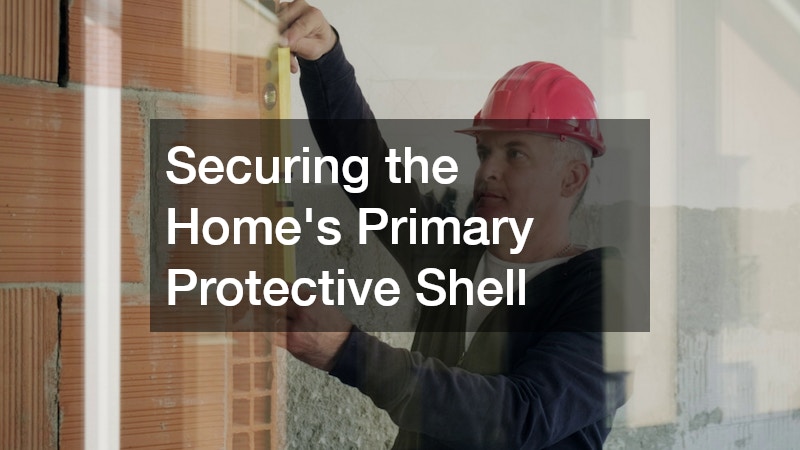
Nothing kills a real estate deal faster than a bad inspection report, and the roof is almost always the focal point of that report. Mortgage lenders and insurance companies are increasingly hesitant to provide coverage for homes with roofs nearing the end of their functional life. If your roof is more than fifteen years old or shows signs of granular loss, it is time to take proactive measures.
Investing in residential roofing is not just about aesthetics; it is about providing the buyer with a “certificate of health” for the house. When you hire a licensed residential roofing company to perform a full replacement or a certified repair, you gain a transferable warranty that becomes a powerful marketing tool in your listing description. A new roof removes the biggest financial “if” for a buyer, often allowing you to hold firm on your asking price during negotiations.
Roofing Inspection Checklist:
-
Check the Flashing: Ensure all metal transitions around chimneys and vents are sealed and rust-free.
-
Gutter Alignment: Make sure gutters are not sagging and that they effectively move water away from the foundation.
-
Documentation: Keep all invoices and warranty paperwork in a dedicated “Home Sale Folder” to present to prospective buyers.

Modernizing Mechanical Systems and Energy Infrastructure
In suburban and rural markets, energy efficiency and fuel reliability are top-of-mind for buyers. If your home currently relies on outdated heating systems or expensive electric baseboards, upgrading the energy infrastructure can yield a significant return on investment. Modern buyers value the consistency and power of gas for heating, cooking, and even fueling backup generators.
For homes not connected to a municipal gas line, a professional residential propane installation can modernize the entire utility profile of the property. This upgrade allows for high-efficiency furnaces and professional-grade kitchen ranges. To ensure the new owner has a seamless transition, you should also establish a relationship with residential fuel services that offer automatic delivery and tank monitoring. Providing a buyer with a history of reliable fuel delivery and a modern, inspected tank system removes the anxiety associated with home energy management.
Energy Infrastructure Tips:
-
Bury the Tank: If possible, opt for an underground propane tank to maintain the clean lines of your landscaping.
-
Smart Thermostats: Install a programmable thermostat to show buyers that the home is equipped for modern energy conservation.
-
Service Records: Have your furnace and water heater serviced and tagged by a professional before the first open house.
Upgrading Internal Infrastructure for Inspection Success
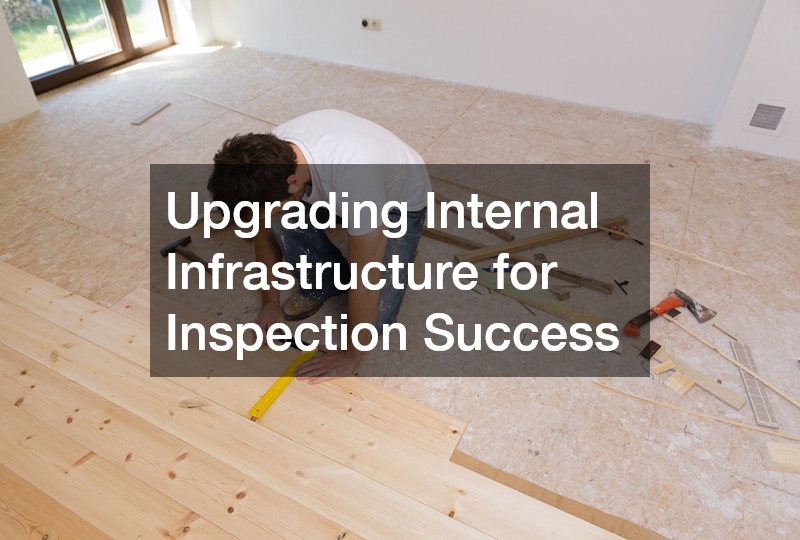
While the “invisible” parts of a home—the pipes and wires—aren’t as exciting as a new kitchen, they are the elements that determine whether a sale reaches the closing table. Buyers are terrified of “hidden” water damage or electrical fire hazards. Proactively addressing these systems shows that you are a responsible homeowner and reduces the likelihood of “repair credits” being requested later.
Electrical safety is a non-negotiable point for modern inspectors. Hiring a residential electrical contractor to update an old fuse box to a circuit breaker panel or to install GFCI outlets in bathrooms and kitchens is a critical step. Similarly, plumbing issues can be a major red flag. Enlisting residential plumbers to replace old galvanized pipes with copper or PEX, and ensuring that all toilets and faucets are leak-free, prevents the “drip, drip, drip” of lost money during the inspection phase.
Infrastructure Safety Checklist:
-
Panel Audit: Ensure the electrical panel is correctly labeled and has no “double-tapped” breakers.
-
Water Pressure: Check that the water pressure is within the standard range (40–60 psi) to prevent stress on the pipes.
-
Shut-off Valves: Verify that all main and localized water shut-offs are functional and easy to turn.

Enhancing the Outdoor Living Experience and Security
Since the pandemic, the “outdoor room” has become one of the most requested features in residential real estate. Buyers want a space where they can entertain, children can play safely, and pets can roam. A yard that is open and undefined often feels smaller and less private than one with a clearly established perimeter.
Installing residential fencing is one of the highest-ROI exterior projects you can undertake. Whether it is a classic picket fence for charm or a tall privacy fence for seclusion, it defines the property line and adds a layer of security that parents and pet owners find irresistible. When planning these larger property-wide renovations, it is wise to vet several residential roofing companies or general contractors who also handle exterior structural work. Getting multiple bids ensures you aren’t overpaying for the renovation and helps you find a team that understands the local building codes and permit requirements.
Outdoor Living Enhancements:
-
Deck Staining: If you have an existing deck, a fresh sanding and staining can make it look brand new for a fraction of the cost of replacement.
-
Pet Amenities: If you have a fenced yard, mention it explicitly in your “Pets Welcome” marketing materials.
-
Privacy Screenings: Use fast-growing evergreens along the fence line to create a natural “green wall” for added seclusion.
Conclusion
Preparing a home for sale is a marathon of decision-making. While it may be tempting to cut corners or focus only on the surface-level decorations, the real value lies in the professional renovations that protect the home’s integrity. By addressing the roof, the driveway, the energy systems, and the internal utilities, you are essentially “pre-veting” your own home for the buyer’s inspector.
A well-renovated home doesn’t just sell for more; it sells with less stress. It creates a sense of confidence in the buyer that leads to stronger offers and fewer demands for credits. When you invest in professional craftsmanship and licensed contractors, you aren’t just spending money—you are buying a faster, cleaner path to the closing table and your next adventure. Taking the time to do it right today ensures that your property stands out as a “best-in-class” listing tomorrow.