Highlights:
-
Identify the cause early: Understanding why basement wall cracks appear—whether from settling, water pressure, temperature changes, or construction issues—helps determine the proper repair approach.
-
Not all cracks are dangerous: Hairline and minor vertical cracks may be cosmetic, while horizontal and stair-step cracks often signal serious structural problems requiring professional assessment.
-
Water can worsen cracks: Moisture infiltration can expand even small cracks, cause mold growth, and compromise structural integrity, making early detection critical.
-
Cracks impact renovations: Existing cracks can delay projects, increase costs, and limit design options if not addressed before remodeling.
-
Proper repair matters: Techniques like epoxy injections, hydraulic cement, wall anchors, and carbon fiber straps can stabilize walls and prevent future damage.
-
Maintenance and monitoring are key: Regular inspections, proper drainage, moisture control, and cautious placement of heavy objects help prevent new cracks and protect your basement investment.
Renovating a basement is an exciting way to add space and value to your home, but discovering cracks in your walls can quickly throw a wrench in your plans. Basement wall cracks are one of the many common home maintenance issues homeowners face, and they aren’t just cosmetic—they can indicate serious structural problems that affect your renovation timeline, budget, and safety. In this guide, we’ll explore everything you need to know about basement wall cracks and how they can impact your home improvements.
What Causes Basement Wall Cracks?
Before jumping into repairs or renovations, it’s important to understand why basement wall cracks appear. Not all cracks signal disaster, but identifying the cause helps you decide whether a repair is cosmetic or structural. Common causes include:
Foundation Settling:
Over time, every home naturally settles into the ground. While minor settling is normal, uneven settling can create stress on your basement walls, resulting in cracks. Older homes or those built on clay or loose soil are especially prone to this. Foundation settling often starts small but can worsen if left unchecked, affecting floors, doors, and windows above the basement.
Hydrostatic Pressure:
Water in the soil surrounding your foundation isn’t just an annoyance—it can literally push your walls inward. When soil becomes saturated, it exerts hydrostatic pressure against the basement walls. Heavy rains, snowmelt, or poor drainage can intensify this pressure, gradually widening cracks. Over time, constant pressure can even lead to bowing walls or leaks. Homeowners often notice damp spots or efflorescence along cracks before more serious damage occurs.
Temperature Fluctuations:
Concrete, masonry, and other building materials expand and contract with seasonal temperature changes. This natural movement can cause minor cracks, especially in walls that weren’t properly reinforced. In regions with extreme temperature swings, repeated expansion and contraction can gradually stress your basement walls, turning small cracks into larger ones if ignored.
Poor Construction:
Sometimes, cracks are a result of human error. Inadequate materials, insufficient reinforcement, or sloppy workmanship during construction can make basement walls more vulnerable. For instance, using lower-grade concrete or failing to properly cure poured walls can lead to early cracking. Recognizing construction-related cracks early helps you plan appropriate reinforcement before starting any renovation work.
Understanding the underlying cause helps homeowners address the problem correctly and prevents investing in renovations over walls that might still be unstable.
How Can Cracks Affect Your Renovation Timeline?
Even seemingly minor cracks can significantly affect your renovation plans. Ignoring them can result in delays, additional expenses, or design limitations. Here’s how basement wall cracks can impact your timeline:
- Delays: Structural issues may require professional inspections or repairs before you can start demolition or remodeling. Even a hairline crack might need monitoring to ensure it doesn’t grow during construction. These extra steps can push back your project start date.
- Cost Increases: Repairing cracks often comes with unexpected expenses. If water damage or structural reinforcement is involved, costs can escalate quickly. Materials like hydraulic cement, epoxy injections, or wall supports add to the renovation budget. Planning ahead and factoring in repairs helps avoid financial surprises.
- Design Limitations: Some cracks, especially horizontal or stair-step cracks, might restrict where you can safely install walls, shelving, or heavy fixtures. For example, a bowing wall might not support cabinets or storage units without additional bracing.
Addressing cracks early ensures your renovation progresses smoothly. Renovating over an untreated crack can worsen the damage, compromise wall stability, and even reduce your home’s resale value if left unaddressed.
Are All Cracks Serious?
Not all basement wall cracks are cause for alarm. Here’s a guide to understanding which ones require immediate attention:
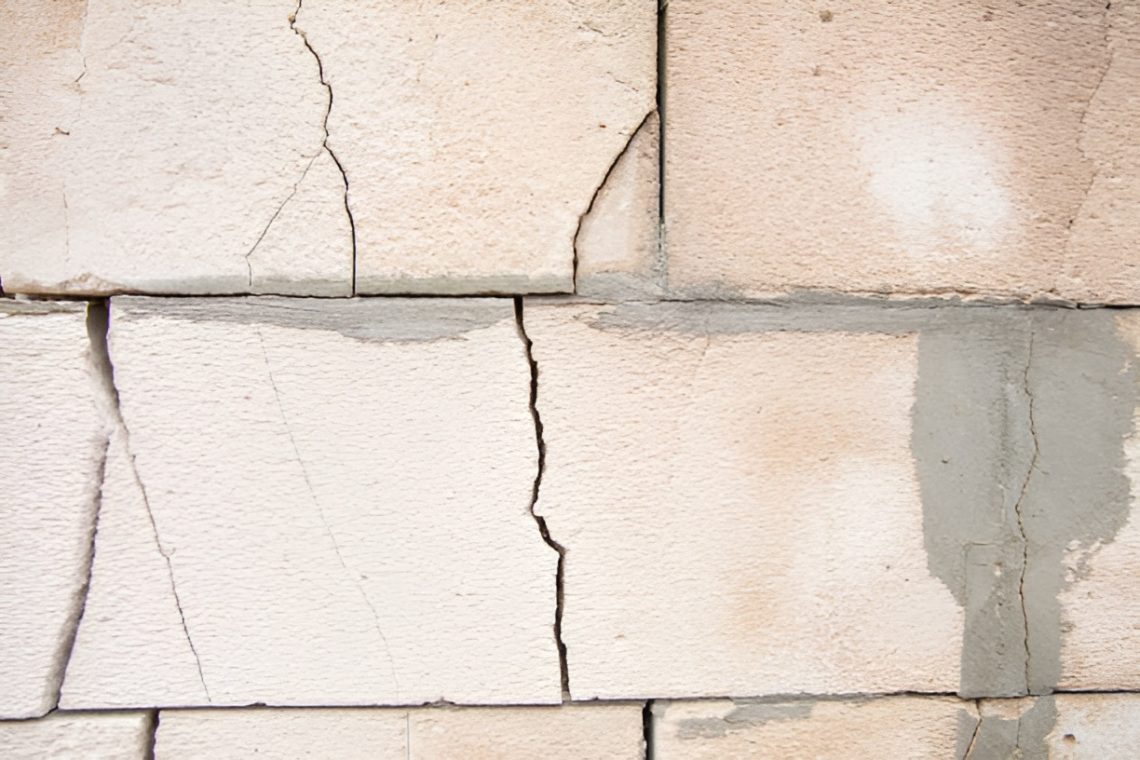
- Hairline Cracks: These are usually cosmetic and caused by normal settling. They can often be patched easily and rarely indicate a serious structural problem.
- Vertical Cracks: Often due to shrinkage of concrete as it dries. Usually minor, vertical cracks should be monitored over time to ensure they aren’t widening or multiplying.
- Horizontal Cracks: These can indicate serious structural stress caused by soil pressure or foundation issues. Horizontal cracks often require professional assessment and timely repair.
- Stair-Step Cracks in Block Walls: These cracks follow the mortar joints in a step-like pattern and can suggest foundation movement. They may worsen over time, making professional evaluation essential.
If you’re unsure about the severity, a structural engineer or qualified contractor can provide guidance. Identifying serious cracks early prevents complications during renovation and protects your investment.
Can Water Damage Make Cracks Worse?
Absolutely. Water doesn’t just create cosmetic problems—it accelerates structural deterioration. Even small cracks can become larger and more damaging if moisture gets inside. Common signs of water-related issues include:
- Damp or Musty Odors: A persistent smell often signals hidden moisture.
- Efflorescence: White, powdery residue along walls indicates water seepage through cracks.
- Mold or Mildew Growth: Visible or hidden mold can pose health risks and compromise materials.
- Visible Seepage or Water Stains: Even minor water intrusion can lead to long-term damage.
Addressing water problems early is crucial, especially if you’re planning to install flooring, cabinets, or furniture in your basement. Water not only weakens the structure but also creates unhealthy living conditions that could jeopardize your renovation project.
How to Assess the Severity of Basement Wall Cracks
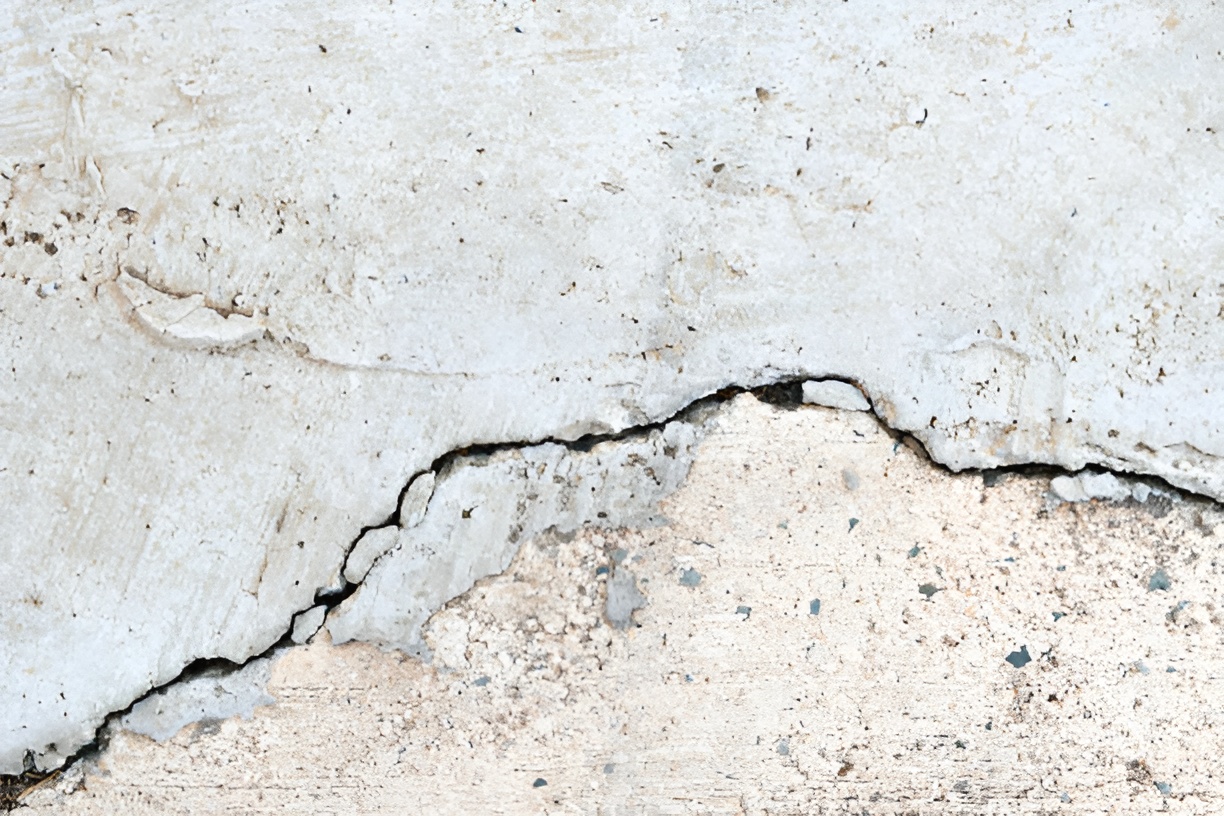
Before moving forward with any renovation, carefully assess the cracks in your basement:
- Measure the Cracks: Note the width, length, and location of each crack. Wider cracks typically signal more serious problems.
- Track Changes Over Time: Use a pencil or tape to mark the ends of cracks and check periodically for growth. Expanding cracks require immediate attention.
- Inspect for Water Issues: Look for leaks, moisture, or mold near cracks. Even small damp spots can indicate deeper problems.
- Check the Foundation: Uneven floors, sticking doors, or windows that don’t close properly may point to underlying foundation stress.
This evaluation will help you decide whether DIY fixes are sufficient or if professional intervention is necessary before starting your renovation.
Repair Options: What Works Best?
Repairing basement wall cracks depends on their type and severity. Some common methods include:
- Epoxy Injections: Perfect for structural cracks. Epoxy bonds the concrete and restores strength while preventing further widening.
- Hydraulic Cement: Ideal for sealing leaks and water-prone cracks. It expands as it cures, creating a tight seal.
- Wall Anchors and Braces: These reinforce bowing walls under lateral pressure, helping prevent further movement.
- Carbon Fiber Straps: Non-invasive reinforcement that strengthens weakened walls without extensive demolition.
Choosing the right method saves time, money, and stress during your renovation, and ensures your basement remains structurally sound.
How Repairs Affect Renovation Plans
Even after repairing cracks, your renovation plans may need adjustments:
- Scheduling: Allow adequate time for structural repairs to cure before painting, flooring, or installing heavy fixtures.
- Design Adjustments: Walls that needed bracing may limit where you can place furniture, cabinets, or built-in storage.
- Budgeting: Include repair costs in your overall renovation budget to avoid surprises.
By considering these factors, you ensure your project is safe, durable, and avoids future setbacks.
When to Call a Professional
Some cracks are best handled by experts. Call a professional if:
- Cracks are horizontal or stair-step in shape
- Water is actively leaking into the basement
- Walls are bowing or leaning inward
- Cracks are growing rapidly over weeks or months
A professional evaluation prevents costly mistakes and ensures your renovation doesn’t compromise your home’s structural integrity.
Preventing Future Cracks
Once repairs are complete, you can take steps to minimize future problems:
- Maintain Proper Drainage: Ensure gutters, downspouts, and grading direct water away from your foundation.
- Control Basement Moisture: Use a dehumidifier and check for leaks regularly.
- Inspect Walls Periodically: Look for small cracks or new signs of movement. Early detection is key.
- Avoid Heavy Loads Near Walls: Until the structure is fully stabilized, don’t place large cabinets, shelving, or machinery against repaired walls.
Consistent maintenance reduces the risk of new cracks and keeps your basement safe and renovation-ready.
How Basement Wall Cracks Intersect with Home Renovation Safety
Renovations often involve heavy tools, demolition, and construction materials. Addressing basement wall cracks beforehand is critical to securing a home during renovation. Unstable walls can pose risks such as collapsing debris, water intrusion, or mold exposure, putting both your property and your family in danger. Ensuring the foundation is solid before you start allows your project to proceed safely.
Do Cracks Affect Home Value?
Yes. Visible basement wall cracks can lower your home’s value, especially if they indicate structural concerns. Buyers may request repairs or price reductions, and banks might require inspections before approving a mortgage. Repairing and documenting fixes can improve buyer confidence and protect your investment.
DIY vs. Professional Repairs
When deciding between a DIY approach and hiring a professional, consider:
- Severity of the crack: Minor hairline cracks can be DIY-friendly, while structural issues require experts.
- Tools and materials: Some repairs, like epoxy injections or wall reinforcement, require specialized equipment.
- Safety considerations: Heavy walls and potential water damage pose risks for inexperienced homeowners.
If in doubt, consulting a professional ensures your basement is safe and ready for renovation.
Tips for Renovating Around Existing Cracks
Even after repairs, you’ll want to plan your basement renovation carefully:
- Avoid attaching heavy fixtures directly to walls that previously cracked
- Use freestanding furniture instead of built-in units near repaired areas
- Consider moisture-resistant finishes, especially for flooring and walls
- Schedule inspections at key stages of renovation to catch any issues early
Smart planning reduces the chance of damage and ensures your finished basement is both functional and beautiful.
Final Thoughts
Basement wall cracks are more than just an eyesore—they can impact your renovation timeline, budget, and safety. Understanding the causes, assessing severity, and implementing proper repairs are essential steps before any remodeling project. By addressing cracks, controlling moisture, and keeping up with common home maintenance issues, you can ensure your basement renovation goes smoothly and your home remains safe and secure.
Taking proactive steps to evaluate, repair, and plan around basement wall cracks allows homeowners to enjoy a functional, attractive, and long-lasting basement space.