Bringing a new dog into your home is exciting, heartwarming, and—let’s be honest—a little chaotic. From muddy paws and shedding fur to curious chewing and zoomies through the living room, dogs quickly leave their mark on a space. The good news? With a few smart home improvements, you can create an environment that’s comfortable, durable, and safe for both you and your new four-legged family member.
Whether you’re welcoming a playful puppy or an older rescue dog, thoughtful upgrades can help prevent damage, reduce stress, and make daily life smoother. Below are practical, dog-friendly home improvements every new dog owner should consider.
Choosing Dog-Friendly Flooring That Can Handle Paws and Accidents
Flooring is one of the first areas to feel the impact of dog ownership. Claws, spills, accidents, and constant foot traffic can quickly wear down delicate surfaces. When possible, opt for durable flooring materials that are resistant to scratches and moisture.
Luxury vinyl plank, tile, and sealed concrete are popular choices for dog owners because they’re easy to clean and hold up well over time. If hardwood is already in place, applying a strong protective finish can help minimize scratches. Area rugs with non-slip backing can add comfort while being easy to remove and wash.
Prioritizing flooring that balances durability and comfort makes everyday cleanup easier and keeps your home looking great.
Upgrading Furniture for Comfort and Durability
Dogs love furniture almost as much as their humans do. Choosing pet-friendly furniture can save you money and frustration in the long run. Look for fabrics that resist stains, repel pet hair, and are easy to clean, such as microfiber, leather, or performance fabrics designed for heavy use.
Slipcovers are another smart option, especially for new dog owners still learning their pet’s habits. They provide an added layer of protection and can be easily washed. For dogs that love lounging, incorporating designated dog beds or furniture can reduce wear and tear on couches and chairs.
Durable furniture upgrades help maintain style without sacrificing comfort for you or your dog.
Creating a Dedicated Dog Zone
Vets suggest setting aside a specific area for your dog can bring structure and calm to your home. A dedicated dog zone might include a bed, toys, food and water bowls, and storage for leashes and supplies.
This space helps dogs feel secure while keeping pet items organized and off the floor. Mudrooms, laundry rooms, or quiet corners of living areas often work well. Adding washable mats or flooring in this area can further protect surfaces from spills and messes.
A well-designed dog zone benefits both you and your pet by creating routine and reducing clutter.
Improving Entryways to Manage Dirt and Mud
Dogs bring the outdoors inside—especially after walks, park visits, or rainy days. Improving your entryway can dramatically reduce dirt and debris throughout your home.
Consider installing durable mats inside and outside doors to catch mud and moisture. Storage benches or cabinets can hold towels, wipes, and grooming tools for quick cleanups. If space allows, adding a small wash station or utility sink can be a game changer for muddy paws.
These simple entryway upgrades help maintain cleanliness while making post-walk routines easier.
Securing Cabinets, Trash, and Hazardous Areas
Curious noses and paws can quickly get into trouble. Dog-proofing cabinets and trash areas is a critical home improvement for safety. Installing childproof latches on lower cabinets prevents access to cleaning supplies, food, or medications.
Trash cans with locking lids or pull-out cabinet designs help keep dogs from rummaging and ingesting harmful items that lead to needing to see vets. Blocking off areas like laundry rooms, workshops, or storage closets with gates can further reduce risk.
Small safety-focused improvements can prevent accidents and give you peace of mind.
Enhancing Fencing and Outdoor Spaces
If you have a yard, ensuring it’s secure and dog-friendly is essential. Check fencing for gaps, loose boards, or areas that could allow escape. Upgrading to durable fencing materials or adding dig guards along the bottom can prevent unwanted adventures.
Outdoor improvements might also include shaded areas, dog-safe landscaping, and designated potty zones. Avoid plants that are toxic to dogs and consider installing pathways or turf to minimize mud.
A safe outdoor space allows your dog to enjoy fresh air while keeping your property protected.
Managing Noise and Stress With Smart Interior Choices
New dogs can be sensitive to noise, especially in busy households or urban environments. Home improvements that reduce sound can help create a calmer atmosphere.
Adding area rugs, curtains, or upholstered furniture can absorb noise and reduce echoes. Solid-core doors and weatherstripping can minimize outside sounds. Creating quiet zones where dogs can retreat helps them feel secure during loud or stressful moments.
These changes support your dog’s emotional well-being while enhancing overall comfort.
Improving Storage for Pet Supplies
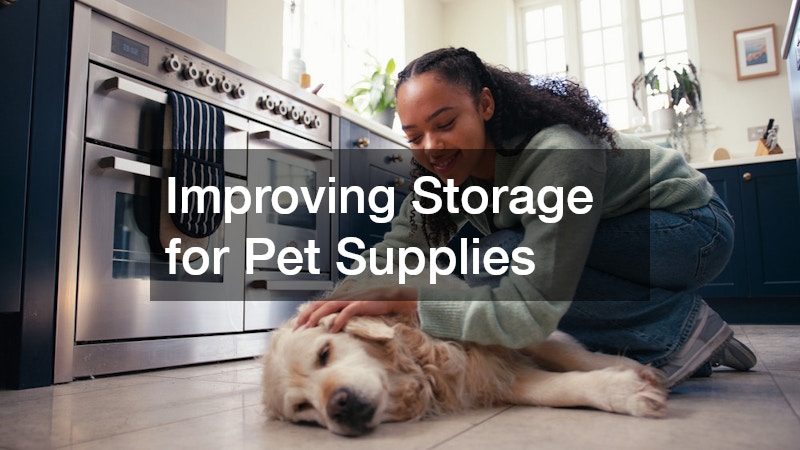
Dogs come with a lot of gear—food, treats, toys, grooming tools, leashes, and more. Improving storage helps keep your home organized and functional.
Built-in cabinets, labeled bins, or wall-mounted hooks make daily routines smoother. Storing food in airtight containers preserves freshness and keeps pests out. Having a dedicated storage solution prevents clutter and ensures everything your dog needs is easy to access.
Good organization supports a cleaner, more efficient home.
Protecting Walls, Doors, and High-Traffic Areas
Dogs often brush against walls, scratch doors, or race through hallways. Adding wall protection, such as washable paint finishes or wainscoting, can help prevent visible wear.
Door kick plates and scratch-resistant finishes are especially useful in areas where dogs wait or get excited. High-traffic areas benefit from durable materials that stand up to daily activity.
These protective improvements preserve your home’s appearance while accommodating your dog’s energy.
Building a Home That Grows With Your Dog
Dogs change over time, and your home should be able to adapt with them. Puppies may need more safety features, while older dogs benefit from slip-resistant flooring and easier access to favorite spaces.
Investing in flexible, durable home improvements ensures your space remains comfortable throughout your dog’s life. Thoughtful upgrades not only protect your home but also create an environment where your dog can thrive.
With the right improvements, your home can be both stylish and dog-friendly—proving that paws, floors, and furniture can coexist beautifully.