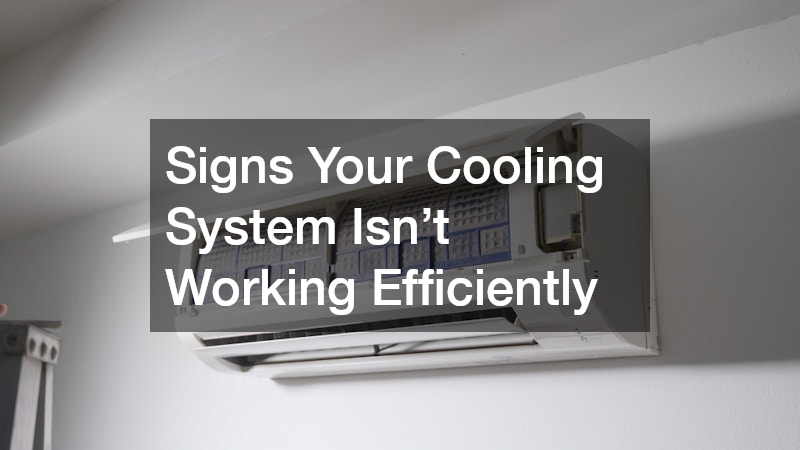
A cooling system that isn’t performing efficiently can quietly drive up energy costs, reduce indoor comfort, and shorten the lifespan of critical components. Many homeowners and building managers don’t realize there’s an issue until the system struggles during peak summer temperatures or fails altogether. By understanding the early warning signs of inefficiency, you can address problems proactively, avoid costly breakdowns, and maintain a consistently comfortable environment. This guide breaks down the most common indicators of an inefficient cooling system, explains why they occur, and outlines practical steps you can take to improve performance.
What Are Common Signs of an Inefficient Cooling System?
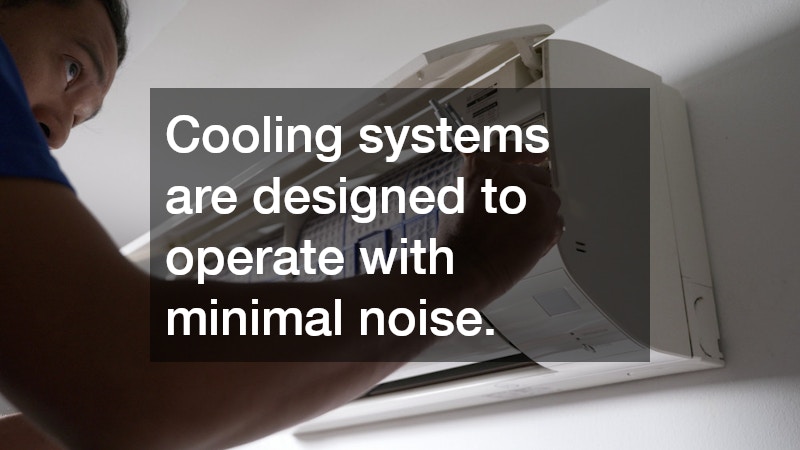
Cooling systems are designed to operate with minimal noise. While a low hum or steady airflow is normal, sudden sounds like grinding, banging, or squealing signal mechanical issues.
These noises may indicate loose components, worn belts, failing motors, or debris inside the unit. Ignoring unusual noises can escalate minor problems into major repairs. For example, a rattling sound caused by a loose part may damage surrounding components if left unaddressed. Any new or worsening noise should be treated as an early warning sign that your system is overworking to maintain the desired temperature.
A clear indicator of declining efficiency is an increase in energy costs without a change in usage habits or weather patterns. When a cooling system struggles, it often runs longer or turns on more frequently, consuming more electricity. Higher energy bills can stem from dirty components, aging equipment, or airflow restrictions. These inefficiencies result in higher expenses and strain the system. Monitoring energy usage trends is an effective way to spot problems before comfort levels are affected.
If some rooms feel noticeably warmer or cooler, your cooling system may not be distributing air evenly. Inconsistent temperatures often indicate airflow problems, duct leaks, or system imbalances preventing conditioned air from reaching all areas. Temperature fluctuations can also indicate that the system is cycling improperly or failing to keep up. Beyond comfort concerns, uneven cooling forces the system to work harder, reducing efficiency and increasing wear.
Why Is My HVAC System Not Cooling Properly?
Air filters are crucial for system performance by trapping dust, pollen, and airborne particles. Clogged filters restrict airflow, making it harder for the system to circulate air efficiently. Reduced airflow lowers cooling efficiency and can cause the system to overheat or freeze, leading to more mechanical issues. Regularly inspecting and replacing air filters is simple and effective for maintaining efficient operation.
Refrigerant absorbs heat and cools air. Low refrigerant levels due to leaks hinder effective cooling, regardless of runtime. Signs of refrigerant issues include weak cooling, ice buildup on coils, or hissing sounds near the unit. Trained professionals should handle refrigerant leaks due to hazards and regulatory concerns. Promptly addressing leaks restores efficiency and prevents system damage.
The thermostat controls your cooling system, so even minor issues impact performance. Incorrect settings, outdated models, or faulty sensors can cause improper cycling or temperature maintenance. Sometimes, the thermostat’s location doesn’t represent the overall indoor temperature, leading to uneven cooling. Calibrating, relocating, or upgrading the thermostat often resolves efficiency issues related to temperature control.
How Can I Improve My Cooling System’s Efficiency?
Routine inspections and tune-ups are essential for keeping a cooling system efficient. Maintenance includes cleaning coils, checking connections, testing components, and ensuring correct refrigerant levels. These tasks identify issues before they become costly problems. Partnering with a professional HVAC provider for scheduled maintenance can improve system reliability over time. Well-maintained systems perform better and last longer, delivering a stronger return on investment.
Proper airflow is critical for efficient cooling. Blocked vents, leaky ductwork, or poor design can limit cool air distribution. Ensuring vents are unobstructed, sealing duct leaks, and balancing airflow between rooms can improve comfort. Enhancements such as zoning systems or duct modifications may be necessary to resolve airflow challenges. These adjustments help the system operate efficiently by delivering cooling where needed most.
Older cooling systems often lack efficiency and modern control features. Advances in technology offer higher efficiency ratings, variable-speed components, and smart controls that adapt to changing conditions. Upgrading requires initial investment, but newer systems can significantly reduce energy use and improve comfort. Consulting with a provider that offers professional HVAC services can help decide if an upgrade is financially sensible based on system age, repair history, and energy costs.
An inefficient cooling system rarely fails without warning. Unusual noises, rising energy bills, and inconsistent temperatures are all signs that the system may be under strain. Understanding the root causes—such as dirty filters, refrigerant issues, or thermostat problems—allows you to take targeted action before performance declines further.
By prioritizing regular maintenance, improving airflow, and considering equipment upgrades when appropriate, you can restore efficiency, enhance comfort, and control operating costs. Addressing these issues early not only protects your cooling system but also ensures a more reliable and cost-effective indoor environment throughout the year.