Embarking on an excavation project is not as simple as picking up a shovel and digging. Whether it’s for a residential foundation, a commercial construction site, or a landscaping project, proper planning, preparation, and safety measures are critical to ensuring that the project goes smoothly. Excavation work can be complex, involving heavy machinery, underground utilities, and soil conditions that vary from one site to another.
Before you begin any excavation, there are several key factors you must understand to protect your property, your crew, and your project timeline.
Understanding the Scope of Your Excavation Project
The first step in any excavation project is to clearly define the scope. Ask yourself what you aim to achieve and how much material will need to be removed or relocated. Are you digging a trench for a utility line, creating a basement, or constructing a large foundation? Knowing the size, depth, and purpose of your excavation will influence the type of equipment needed and the labor required.
It’s also essential to consider the surrounding environment. Nearby buildings, roads, and natural features can all impact how you approach the project. Failing to account for these factors can lead to costly delays or even legal issues. By outlining your objectives and constraints at the outset, you’ll have a clear roadmap that will guide your excavation safely and efficiently.
Conducting a Site Assessment
Before breaking ground, a thorough site assessment is crucial. One of the first steps is to identify any underground utilities, such as water pipes, gas lines, and electrical conduits. Hitting a utility line can result in serious injury, significant damage, and hefty fines. In many regions, it’s legally required to contact utility companies to mark these lines before excavation begins.
Soil conditions are another critical factor. Different soils respond differently to excavation. For example, sandy soils can collapse easily, while clay soils may retain water and become unstable. Conducting a soil test helps you determine whether you need additional support, such as shoring or trench boxes, to prevent accidents. Understanding drainage patterns is also important; water accumulation can compromise the integrity of the excavation and slow down progress.
Safety Precautions Are Non-Negotiable
Excavation projects are inherently dangerous, which is why safety must be a top priority. Protective measures include proper shoring, sloping, or benching of excavation walls to prevent cave-ins. Workers should be equipped with personal protective equipment (PPE), such as helmets, gloves, and steel-toed boots, and trained on emergency procedures.
It’s also important to establish clear communication protocols on the site. Excavation often involves heavy machinery like backhoes, excavators, and loaders. Accidents can occur when operators and ground workers are not on the same page. Having a dedicated site supervisor to oversee operations and enforce safety standards can greatly reduce the risk of injury.
Securing Necessary Permits and Compliance
Before any dirt is moved, you must ensure that all legal and regulatory requirements are met. Excavation permits may be required depending on the depth, location, and purpose of your project. Local zoning laws and environmental regulations can also influence how and when you excavate. Failure to obtain the proper permits can lead to fines, work stoppages, or even project shutdowns.
In addition, consider environmental impacts. Excavation can disturb ecosystems, increase erosion, and affect local water flow. Implementing measures like silt fences, erosion control mats, or temporary drainage channels can help minimize environmental damage and ensure compliance with regulations.
Planning for Equipment and Labor
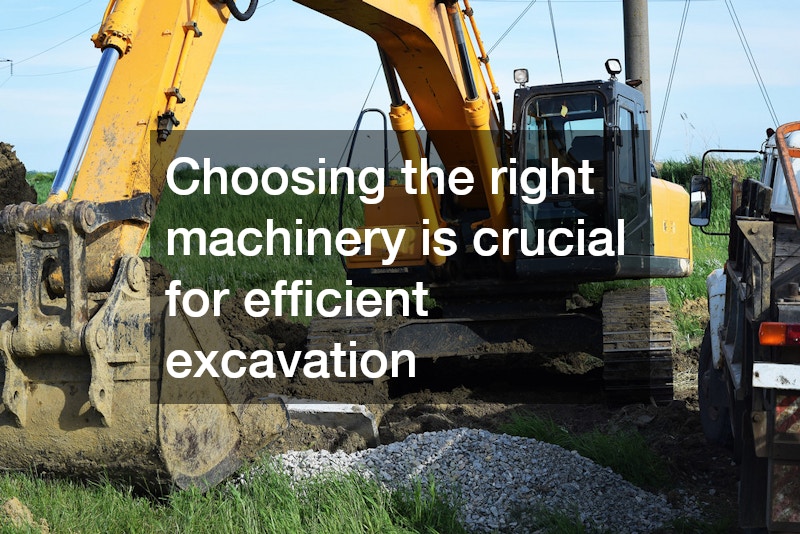
Choosing the right machinery is crucial for efficient excavation. The type and size of equipment will depend on the scope of the project, soil type, and site accessibility. For example, a small residential project might only require a mini-excavator, whereas large commercial projects could need heavy-duty excavators and dump trucks.
Labor planning is equally important. Skilled operators and trained laborers reduce the likelihood of mistakes and accidents. Additionally, scheduling work hours and machinery usage effectively can help you avoid unnecessary downtime, keeping your project on track and within budget.
Budgeting and Contingency Planning
Excavation projects can quickly exceed initial estimates if unexpected challenges arise. Soil instability, weather delays, or unforeseen underground obstacles can increase costs and extend timelines. Establishing a realistic budget with a contingency fund allows you to manage these surprises without derailing the project.
Excavation is a fundamental aspect of many construction and landscaping projects, but it is not a task to be taken lightly. Proper planning, risk assessment, safety measures, and regulatory compliance are essential to successful execution. By understanding the scope of the project, assessing the site thoroughly, ensuring safety, and securing permits, you lay the foundation for a smooth excavation process.
Remember, even experienced contractors approach excavation with caution and preparation. The more informed and prepared you are, the fewer surprises you’ll encounter. Investing time and resources into careful planning not only protects your team and property but also ensures the success of your excavation project from start to finish.