Purchasing a log cabin can be an exciting investment, offering a unique blend of rustic charm and modern comfort. Whether you are considering a vacation retreat or a permanent home, buying a log cabin is not a decision to be taken lightly. Unlike traditional houses, cabins require specific considerations related to their construction, maintenance, and location.
Understanding these factors beforehand can ensure that your investment is both enjoyable and sustainable. Here are the key factors to consider before buying a log cabin.
1. Location and Accessibility
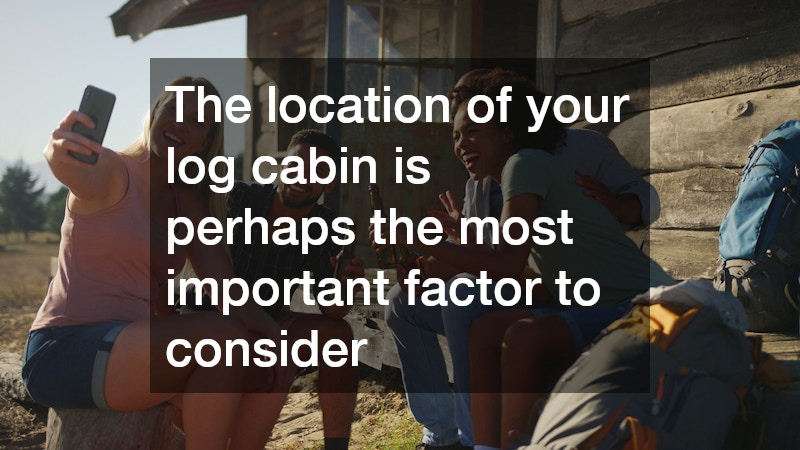
The location of your log cabin is perhaps the most important factor to consider. Many people are drawn to cabins in remote areas for the peace and natural beauty they offer. However, remote locations can also pose challenges, such as limited access to utilities, emergency services, and daily necessities. Accessibility is essential, especially if you plan to visit frequently or use the cabin year-round. Consider the condition of roads, proximity to hospitals or grocery stores, and ease of travel during different seasons.
Additionally, the surrounding environment plays a significant role in your cabin experience. Scenic views, nearby water sources, and privacy are appealing, but it’s equally important to assess the risk of natural hazards like flooding, landslides, or forest fires. Local zoning laws and building codes should also be reviewed to ensure your planned activities and modifications comply with regulations.
2. Type of Construction
Not all cabins are built the same. Log cabins can range from hand-hewn timber structures to modern prefabricated kits. Each type has its own benefits and drawbacks. Traditional hand-crafted log cabins are often more durable and offer a unique aesthetic, but they may require more maintenance. Prefabricated cabins, on the other hand, can be quicker to assemble and may come with warranties, but they might lack the character of a custom-built cabin.
The type of wood used in construction also matters. Some woods, like cedar and pine, are naturally resistant to decay and pests, making them ideal for cabins. Other types may require additional treatments and regular upkeep. When considering a cabin, inspect the quality of the logs, the joinery techniques, and the overall structural integrity. A poorly constructed cabin can lead to costly repairs and ongoing maintenance issues.
3. Maintenance Requirements
Log cabins require regular maintenance to preserve their appearance and structural integrity. Unlike conventional homes, cabins made of natural logs are more susceptible to weathering, insect infestations, and rot. To protect your investment, you need to be prepared for periodic inspections, sealing, staining, and treating the logs. Gutters, roofs, and chimneys should also be checked regularly to prevent water damage.
It’s also worth considering the time and effort you are willing to commit to maintenance. Some cabin owners hire professional services for log treatment and repair, while others enjoy taking a hands-on approach. Understanding the maintenance requirements beforehand can prevent unpleasant surprises and keep your cabin in excellent condition for years to come.
4. Utilities and Amenities
Another important factor to consider is the availability of utilities. Remote cabins may not have easy access to electricity, water, or sewage systems. Some cabin owners opt for alternative solutions, such as solar power, wells, or septic tanks. While these options can work well, they require planning, installation, and sometimes additional permits.
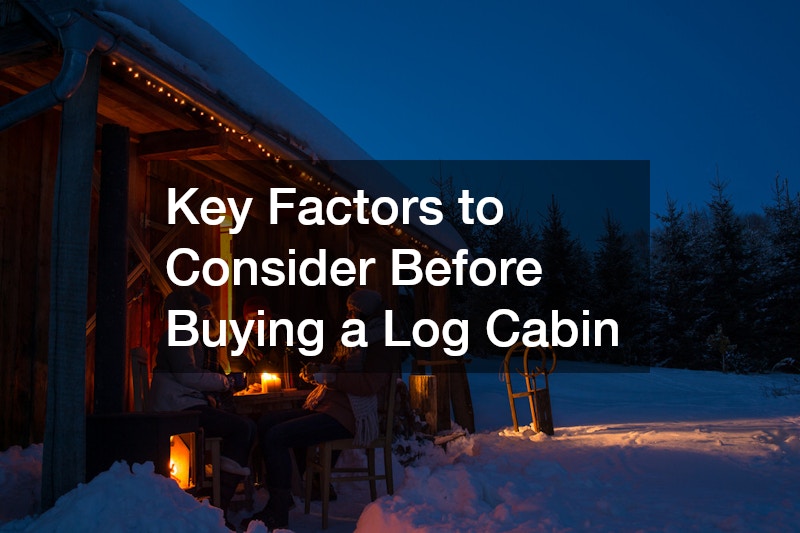
Consider how you will heat your cabin, especially if you plan to use it in winter. Wood-burning stoves and fireplaces are popular choices, but they require proper ventilation and regular cleaning. In addition, check for internet connectivity if you plan to work remotely or stay connected. Modern amenities can make your cabin more comfortable and functional, so it’s important to weigh convenience against the desire for a rustic experience.
5. Cost and Financing
The cost of a log cabin extends beyond the purchase price. When budgeting, consider additional expenses such as land preparation, utility installation, maintenance, insurance, and property taxes. Cabins in scenic or remote areas can also have higher costs for delivery and construction materials.
Financing a log cabin may differ from traditional homes. Some lenders consider cabins riskier investments due to their location or construction type, which can affect loan terms. It’s advisable to research financing options, including personal loans, construction loans, or specialized cabin mortgages, to ensure you secure the best terms for your purchase.
6. Resale Value
Even if you intend to enjoy the cabin long-term, it’s wise to consider its potential resale value. Factors like location, construction quality, accessibility, and amenities influence how attractive the property will be to future buyers. Well-maintained cabins in desirable locations tend to retain or even increase in value over time.
7. Personal Lifestyle and Usage
Finally, reflect on how you plan to use your cabin. Will it be a weekend getaway, a seasonal retreat, or a full-time residence? Your usage will influence the size, layout, and features you need. For example, if you plan to host family or friends, multiple bedrooms and bathrooms may be essential. If solitude is your goal, a smaller, more secluded cabin may suit your lifestyle better.
Buying a log cabin requires careful planning and consideration. From location and construction to maintenance and utilities, each factor plays a crucial role in ensuring your cabin meets your needs and expectations. By thoroughly assessing these elements, you can make a well-informed decision and enjoy the unique charm and comfort that cabins offer. A thoughtful approach will allow you to invest in a property that brings years of relaxation, adventure, and cherished memories.