Owning a home comes with freedom, stability, and long-term value, but it also comes with responsibility. While many homeowners plan for mortgage payments and insurance, fewer account for the ongoing services required to keep a home safe, functional, and comfortable. The result is often surprise repairs, rushed decisions, and higher long-term costs.
The most financially resilient homeowners treat maintenance and repairs as predictable expenses rather than emergencies. By understanding which services matter most and how to plan for them, you can reduce stress, protect your investment, and make smarter decisions over time.
This guide breaks down the essential home services every homeowner should budget for, explaining why they matter, how often they’re needed, and how to plan for them strategically.
Planning for Water Systems and Drainage Reliability
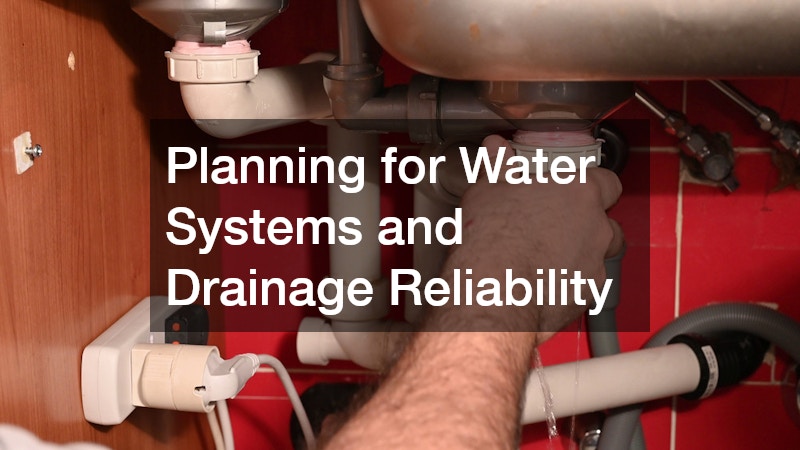
Water systems quietly support daily life, but when something goes wrong, the damage can escalate quickly and expensively. Budgeting for routine upkeep and early intervention prevents minor issues from becoming major disruptions that affect floors, walls, and even structural components.
A dependable plumbing service is one of the most important relationships a homeowner can establish. Even small leaks, slow drains, or pressure changes can signal larger problems behind walls or under floors. Regular inspections help identify aging pipes, corrosion, loose fittings, or mineral buildup before water damage occurs. These evaluations are especially important in older homes, where outdated materials may be approaching the end of their usable life.
Homes that rely on private waste systems require additional planning. A septic tank service is not a one-time expense but an ongoing responsibility tied directly to household usage. Skipping routine pumping or inspections can lead to clogged drain fields, sewage backups, unpleasant odors, and environmental contamination in the yard. In many cases, these failures are far more expensive to fix than the cost of preventative maintenance.
Water-related issues also tend to compound quickly. A small leak left unaddressed can cause mold growth, wood rot, and insulation damage—issues that often extend well beyond the original source. By budgeting proactively, homeowners gain the flexibility to address problems early instead of making rushed decisions under pressure.
Budgeting tips for water systems:
-
Schedule professional inspections every 1–2 years, even if no issues are visible
-
Set aside funds for emergency access or pipe repairs
-
Track water bills for unexplained increases that may indicate leaks
-
Avoid chemical drain cleaners that can damage pipes over time
Preventative habits that save money:
-
Install water leak detectors near appliances and water heaters
-
Know the location of shutoff valves
-
Space out heavy water usage to reduce system strain
-
Keep records of past inspections and repairs
Treating water management as a planned expense rather than a reactionary one protects both your home and your finances.
Climate Control Expenses That Affect Monthly Living Costs
Temperature control impacts comfort, energy bills, and the longevity of mechanical systems. Poor planning often leads to breakdowns during extreme weather, when repairs are most expensive and availability is limited. In many cases, these emergencies could have been avoided with consistent upkeep and long-term budgeting.
Routine HVAC services are essential for maintaining efficiency and avoiding sudden failures. Seasonal tune-ups improve airflow, reduce energy consumption, and catch worn components early, such as failing capacitors, dirty coils, or airflow restrictions. Skipping maintenance often leads to higher utility bills long before a system actually fails, quietly increasing monthly costs without an obvious cause.
Budgeting should account not only for maintenance but also for eventual system replacement. Heating and cooling systems have finite lifespans, and planning ahead prevents rushed decisions when a breakdown occurs. Setting aside funds gradually allows homeowners to choose energy-efficient options instead of settling for whatever is available during an emergency.
Smart budgeting strategies include:
-
Annual maintenance appointments before peak seasons
-
Monthly savings toward long-term replacement costs
-
Energy audits to identify efficiency improvements
-
Filter replacement schedules built into household routines
Homeowners should also consider upgrades that improve overall performance, such as smart thermostats or improved insulation, which can reduce strain on the system and lower long-term expenses.
Warning signs that deserve attention:
-
Uneven temperatures between rooms
-
Unusual noises during operation
-
Increased energy bills without lifestyle changes
-
Short cycling or frequent on/off behavior
Addressing these issues early often results in simpler, less expensive fixes. Planning for climate control expenses ensures your home remains comfortable year-round while keeping costs predictable.
Structural Protection After Unexpected Home Damage
Some of the most expensive home expenses come from events no homeowner plans for, such as water intrusion, fire, smoke, or mold. While insurance may cover part of the cost, delays, exclusions, and incomplete coverage can still leave homeowners with significant financial exposure. In many cases, out-of-pocket expenses arise not from the primary damage itself, but from secondary issues that develop while waiting for approval or repairs to begin.
Professional restoration services play a critical role in minimizing long-term damage. The faster affected areas are assessed and stabilized, the less likely secondary issues—such as mold growth, weakened framing, or compromised insulation—will occur. Immediate mitigation can significantly reduce the overall scope of repairs and shorten recovery timelines.
Budgeting for this category isn’t about predicting disasters; it’s about preparing for rapid response. Emergency funds allow homeowners to act immediately rather than waiting on approvals or estimates while damage spreads. Having financial flexibility makes it easier to authorize drying, cleanup, or temporary repairs that prevent further deterioration.
Steps to reduce financial impact:
-
Maintain an emergency reserve specifically for home damage
-
Understand insurance deductibles and coverage limits
-
Keep documentation of home systems and upgrades
-
Address minor water issues immediately to prevent escalation
Homeowners should also photograph affected areas as soon as it’s safe to do so and keep detailed records of all mitigation efforts. This documentation often simplifies insurance claims and reduces disputes.
Why speed matters:
-
Moisture damage worsens within hours
-
Mold can develop in less than 48 hours
-
Delays increase repair scope and labor costs
Prepared homeowners are able to respond quickly, preserve property value, and avoid drawn-out repair timelines.
Exterior Safety and Landscape Risk Management
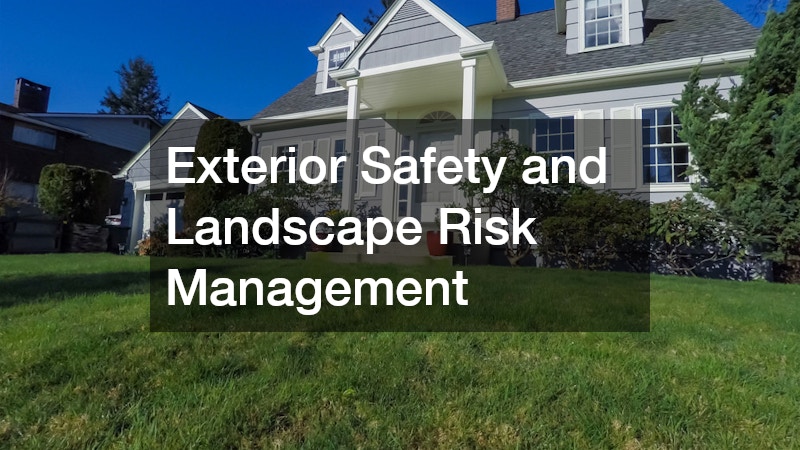
Outdoor areas are often overlooked in home budgets, yet they can pose serious risks to structures and personal safety if not managed properly. Overgrown or damaged vegetation can cause roof damage, foundation issues, blocked drainage paths, or power line hazards, especially during high winds or severe weather. These risks tend to increase gradually, making them easy to ignore until a sudden failure occurs.
Tree removal is sometimes necessary to eliminate risks posed by dead, leaning, diseased, or storm-damaged trees. Large limbs hanging over roofs, fences, or driveways create constant exposure to damage. Waiting until a tree falls often results in higher costs, emergency scheduling fees, and potential insurance disputes if the hazard was previously visible.
After removal, many homeowners forget about what remains underground. A stump removal service eliminates tripping hazards, prevents pest infestations, and stops regrowth that can interfere with landscaping or hardscaping projects. Stumps can also damage lawn equipment and make it difficult to replant or level an area.
Proactive planning allows homeowners to manage these risks on their own timeline rather than reacting during a crisis. Annual yard assessments can identify hazards early and spread costs over time instead of facing a single large bill.
Why proactive planning matters:
-
Emergency removals cost significantly more
-
Storm seasons increase demand and pricing
-
Liability risks increase when hazards are ignored
Budget-friendly planning tips:
-
Schedule evaluations during off-peak seasons
-
Combine multiple outdoor services when possible
-
Prioritize high-risk areas near structures or walkways
Managing exterior risks protects your home’s structure while improving safety and curb appeal.
Pest Prevention as a Cost-Saving Strategy
Pests rarely announce themselves until damage is already underway. By the time infestations become visible, repairs may already be necessary, and untreated problems can quickly escalate into expensive structural or health hazards. Preventative planning is far more cost-effective than reactive treatment and helps homeowners avoid the stress and disruption of emergency interventions.
Routine pest control services help protect structural components, insulation, and indoor air quality. Termites, rodents, ants, and other insects can silently compromise wood framing, crawlspaces, and attics, sometimes causing thousands of dollars in damage before homeowners notice any signs. Even smaller infestations, like ants or cockroaches in kitchens, can introduce bacteria and allergens, increasing health risks and requiring extensive cleaning or repair.
Rather than budgeting only for emergencies, homeowners benefit from ongoing prevention programs that reduce the likelihood of infestations altogether. Scheduled inspections, treatments, and seasonal adjustments create a proactive barrier against common pests and protect the home’s long-term integrity.
Common areas pests target:
-
Foundations and crawlspaces, which offer shelter and moisture
-
Attics and insulation, where nests and droppings accumulate
-
Kitchens and utility rooms, where food and water sources attract them
-
Wood framing and exterior siding, susceptible to termites and carpenter ants
Cost-saving prevention habits:
-
Seal cracks and entry points annually, including doors, windows, and vents
-
Store food in airtight containers to remove accessible food sources
-
Eliminate standing water near the home, reducing mosquito and rodent breeding grounds
-
Keep landscaping trimmed away from structures to minimize shelter and access
Other helpful habits include regularly inspecting stored firewood, debris piles, or garden sheds, as these areas often harbor hidden infestations. Homeowners can also rotate treatments seasonally, focusing on high-risk times like spring and fall when many pests are most active.
Consistent prevention keeps small issues from turning into structural repairs, health concerns, or costly emergency treatments, while also extending the life of insulation, siding, and other vulnerable materials. Over time, these small investments in prevention pay for themselves in avoided damage and repair costs.
Entryways, Security, and Energy Efficiency Investments
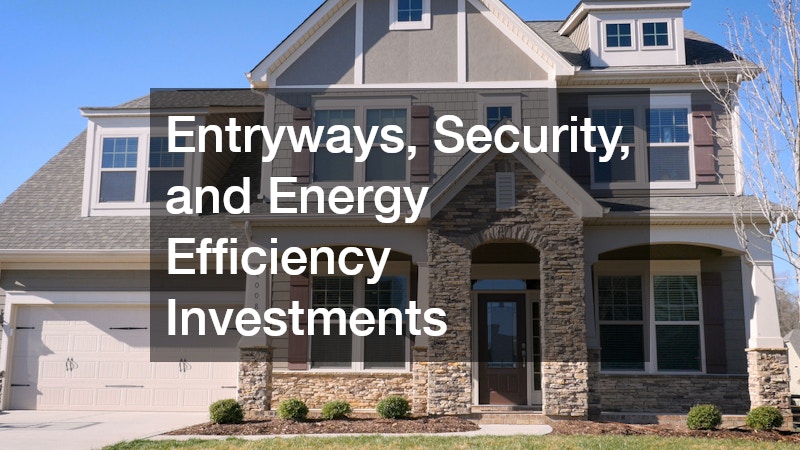
Doors play a critical role in home security, insulation, and overall energy efficiency. Aging or damaged entryways allow drafts, increase heating and cooling costs, and weaken physical security.
A door replacement service becomes necessary when repairs no longer provide reliable sealing or structural integrity. Modern options offer better insulation, improved locking systems, and enhanced durability compared to older materials.
Budgeting for entryway upgrades should factor in both immediate costs and long-term savings from improved energy efficiency.
Signs it’s time to upgrade:
-
Warping or visible rot
-
Difficulty opening or closing
-
Air leaks around frames
-
Rising energy bills near exterior walls
Planning tips:
-
Prioritize primary entry points first
-
Compare materials for lifespan and maintenance needs
-
Consider energy efficiency ratings
Strategic upgrades improve comfort, security, and long-term value.
Interior Finishes That Protect Surfaces and Add Value
Interior finishes do more than improve appearance, they protect surfaces from moisture, wear, and everyday use. Neglecting them often leads to more costly repairs later.
Using high-quality coatings such as Benjamin Moore paints helps extend the lifespan of walls, trim, and ceilings. Durable finishes resist stains, moisture, and fading, reducing the frequency of repainting.
Rather than tackling the entire home at once, budgeting room by room allows homeowners to prioritize high-traffic or moisture-prone areas.
Smart planning strategies:
-
Focus first on kitchens, bathrooms, and hallways
-
Choose finishes based on room function
-
Schedule projects alongside other renovations
Ways to extend results:
-
Proper surface preparation before application
-
Regular cleaning with non-abrasive products
-
Prompt touch-ups for chips or scuffs
Well-maintained finishes preserve both aesthetics and structural protection.
Garage Improvements That Support Home Functionality
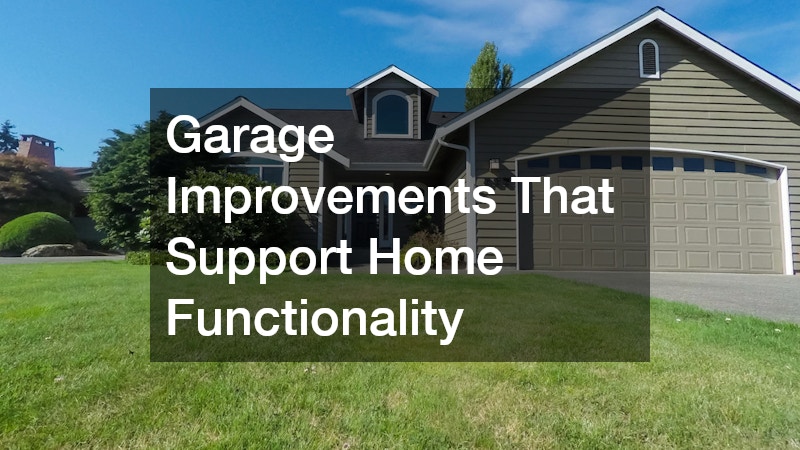
Garages often become storage catch-alls, yet they experience heavy wear from vehicles, moisture, and chemicals. Ignoring this space can lead to safety hazards and structural deterioration.
Upgrading garage floors improves durability, reduces dust, and protects concrete from cracking and moisture penetration. Quality surfaces also make cleaning easier and improve overall organization.
While often viewed as optional, garage improvements support the home’s foundation and extend the usable life of the space.
Budget considerations:
-
Material type and thickness
-
Professional installation vs. DIY
-
Moisture resistance and slip protection
Long-term benefits:
-
Reduced concrete repairs
-
Improved safety and usability
-
Enhanced overall property appeal
Including this area in your maintenance plan prevents gradual deterioration that can be costly to reverse.
Budgeting for essential home services isn’t about anticipating worst-case scenarios, it’s about creating stability and confidence in homeownership. When maintenance and repairs are planned, homeowners gain control over timing, cost, and quality of work.
A proactive approach transforms unexpected expenses into manageable investments. By building a realistic annual budget and addressing issues early, you protect your home’s value, improve daily comfort, and reduce financial stress.
The most resilient homes aren’t the newest or the most expensive, they’re the ones cared for consistently, thoughtfully, and with a long-term plan in mind.