Key Takeaways
- Choose manageable home improvement projects that enhance functionality, appearance, and everyday safety without requiring major renovations.
- Improve curb appeal through exterior cleaning, landscaping, entrance updates, and repairs to visible damage.
- Enhance home safety by securing handrails, repairing uneven walkways, organizing storage, and keeping exits accessible.
- Improve outdoor lighting and maintain doors, locks, and garage entrances to support visibility, convenience, and security.
- Set a realistic budget, compare material prices and contractor estimates, and complete priority projects in stages.
- Hire qualified professionals for electrical work, hazardous garage door repairs, structural changes, and complex construction projects.
- Follow a regular maintenance routine, address recurring problems promptly, and keep receipts and warranties for completed work.
Improving a home’s safety and appearance does not always require expensive renovations or major construction work. Simple projects such as refreshing the entrance, improving outdoor lighting, repairing damaged surfaces, organizing walkways, and maintaining existing fixtures can make a noticeable difference. These improvements can help homeowners create a more welcoming property while addressing everyday maintenance concerns. The key is to choose projects that match the home’s condition, available budget, and practical needs. By starting with manageable tasks and recognizing when professional assistance is necessary, homeowners can improve their property’s functionality and appearance without taking on unnecessary expenses or complicated renovations.
Which Home Improvement Projects Can You Complete Yourself?
Many home improvement tasks can be completed without specialized construction skills, provided they are safe, straightforward, and appropriate for the homeowner’s experience. Cleaning exterior surfaces, organizing storage areas, repainting suitable surfaces, and maintaining landscaping can improve a property’s appearance with relatively modest investments. These smaller projects also allow homeowners to address neglected areas before minor problems become more noticeable. Before beginning, evaluate the tools, materials, time, and preparation required. Choosing manageable work helps prevent unfinished projects, unnecessary purchases, and damage caused by using unsuitable products or techniques.
Consider these beginner-friendly projects:
- Refresh the front entrance: Clean the door, polish suitable hardware, and remove clutter from the porch. A tidy entrance immediately makes the property feel more welcoming.
- Repaint selected surfaces: Refreshing a faded front door, exterior trim, or an appropriate interior wall can improve appearance without repainting the entire property.
- Organize storage spaces: Arrange tools, gardening equipment, and household supplies so frequently used items remain accessible.
- Maintain the garden: Remove weeds, trim overgrown plants, and keep paths clear of vegetation.
- Repair minor cosmetic defects: Tighten loose cabinet handles, replace damaged doorstops, and address small areas of peeling paint after checking for underlying moisture.
- Clean windows and fixtures: Removing accumulated dirt can make rooms brighter and exterior features look better maintained.
Choose projects that can be completed properly with the available equipment and experience. Tasks involving structural changes, electrical wiring, significant water damage, or hazardous materials require additional care and may need qualified professionals.
How Can You Improve Curb Appeal Without Major Renovations?
Curb appeal influences how visitors and prospective buyers perceive a property before entering it. An overgrown lawn, dirty entrance, damaged fence, or neglected walkway can make an otherwise attractive home appear poorly maintained. Fortunately, homeowners can often improve these areas through cleaning, basic landscaping, and selective repairs rather than extensive renovation. The most effective approach is to identify the exterior features that attract attention first and address the most noticeable problems. A coordinated appearance, clear pathways, and well-maintained surfaces can make the property feel more inviting without requiring expensive decorative additions.
Start with these practical improvements:
- Clean exterior surfaces: Remove dirt and cobwebs from suitable walls, porches, doors, and outdoor fixtures using methods appropriate for each material.
- Maintain the lawn: Mow regularly, remove weeds, and address visibly bare areas where practical.
- Improve planting beds: Add affordable plants suited to the local climate and keep existing shrubs neatly maintained.
- Refresh the front door: Repair damaged areas or use an appropriate exterior finish to create a cleaner appearance.
- Repair fences and gates: Tighten loose components, correct minor damage, and ensure gates open and close properly.
- Keep walkways clear: Remove leaves, overgrown branches, and unnecessary objects that obstruct access.
Avoid adding too many decorative features that compete with the home’s architecture. A few coordinated improvements often create a better result than numerous unrelated changes. Before making permanent exterior alterations, check any applicable neighborhood or homeowners’ association requirements.
What Outdoor Lighting Improvements Can Make Your Home Safer?
Outdoor lighting supports both property appearance and everyday usability. Poorly illuminated entrances, steps, driveways, and walkways can make it difficult to see obstacles after dark. Suitable lighting helps residents and visitors navigate these areas more comfortably while highlighting useful exterior features. Homeowners do not necessarily need a complicated lighting system to improve visibility. Replacing failed bulbs, cleaning existing fixtures, and identifying dark areas can be practical starting points. When planning changes, consider where illumination is most useful, how the fixtures will withstand local weather, and whether the light could disturb neighbors or shine directly into nearby windows.
Useful lighting improvements include:
- Illuminate the entrance: Ensure visitors can see the door, lock, and surrounding steps clearly.
- Improve pathway visibility: Place suitable fixtures near changes in elevation, corners, and frequently used routes.
- Check driveway lighting: Make sure the area around parking spaces and vehicle access points is adequately illuminated.
- Clean existing fixtures: Remove dirt and inspect visible components for damage before deciding whether replacement is necessary.
- Use outdoor-rated products: Fixtures should be designed for the environmental conditions where they will be installed.
- Consider motion sensors: Properly positioned motion-activated lights may provide illumination when someone approaches an entrance or side passage.
Electrical work involving new wiring, circuit changes, or permanent outdoor connections should be handled by a qualified professional. Outdoor fixtures must be installed according to applicable electrical requirements and manufacturer instructions. Avoid improvising connections or using indoor-rated products in exposed locations.
How Can You Make Everyday Areas Safer?
Home safety improvements often begin with ordinary features that residents use every day. Uneven walkways, loose handrails, slippery surfaces, cluttered entrances, and poorly secured storage can create avoidable hazards. These concerns may be especially important in homes where children, older adults, or visitors regularly use the same spaces. A practical safety review helps homeowners identify areas where small adjustments could improve movement and reduce the chance of accidents. Rather than waiting for something to break or someone to trip, inspect commonly used routes and address obvious problems before they interfere with daily activities.
Use this checklist to guide your review:
- Secure loose handrails: Check that handrails are firmly attached and appropriate for the stairs they serve.
- Repair uneven walking surfaces: Investigate raised paving, loose tiles, damaged steps, or cracks that could cause trips.
- Keep exits accessible: Avoid storing boxes, tools, or furniture where they obstruct doors and emergency escape routes.
- Improve bathroom footing: Use suitable nonslip surfaces and address loose mats or damaged flooring.
- Organize garage storage: Keep heavy items stable and avoid stacking equipment where it may fall.
- Check locks and latches: Ensure exterior doors and accessible windows close securely and operate as intended.
Do not treat every visible defect as a simple DIY repair. Significant movement in stairs, damaged structural components, or recurring water problems may indicate a larger issue. If a repair requires specialized tools or affects structural stability, seek appropriate professional advice.
When Should You Hire a Professional for Electrical Work?
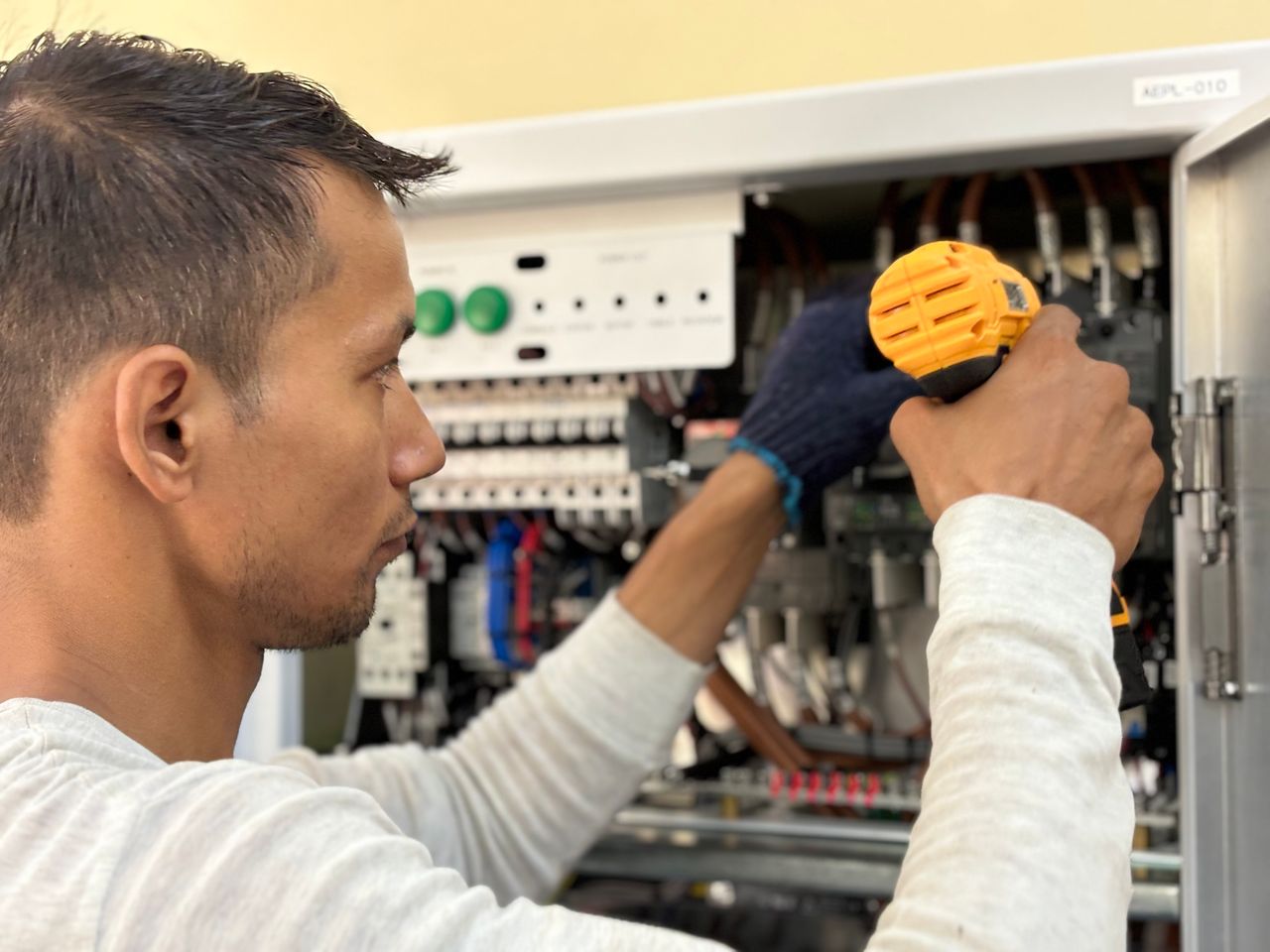
Some home improvements are suitable for DIY work, but electrical projects require particular caution because incorrect installation can create shock, fire, and equipment-damage risks. Replacing a light bulb or cleaning an accessible fixture is different from modifying wiring, adding circuits, or installing permanent outdoor electrical connections. Homeowners should understand the limits of their experience and follow applicable regulations when planning electrical upgrades. Warning signs such as frequently tripping breakers, burning odors, damaged wiring, or warm outlets should not be ignored. In these situations, stopping use of the affected equipment and arranging qualified assistance is generally safer than attempting an unfamiliar repair.
Before starting an electrical project, consider the following:
- Identify the scope of work: Determine whether the task involves simple maintenance or changes to fixed wiring and electrical components.
- Check applicable requirements: Permits, inspections, and licensing rules vary by location and project type.
- Recognize warning signs: Repeated breaker trips, buzzing outlets, scorch marks, and unexplained power interruptions may require professional assessment.
- Avoid overloaded connections: Do not rely on extension cords or improvised adapters as permanent solutions to insufficient outlets.
- Use appropriate outdoor equipment: Exterior installations require products and protective measures suitable for their environment.
Prioritizing electrical safety means knowing when not to proceed independently. A qualified electrician can assess the installation, identify the source of a problem, and complete work according to relevant standards. Although professional assistance may increase the immediate cost, it can reduce the risk of dangerous mistakes and subsequent repairs.
How Can You Improve Your Garage and Entry Points?
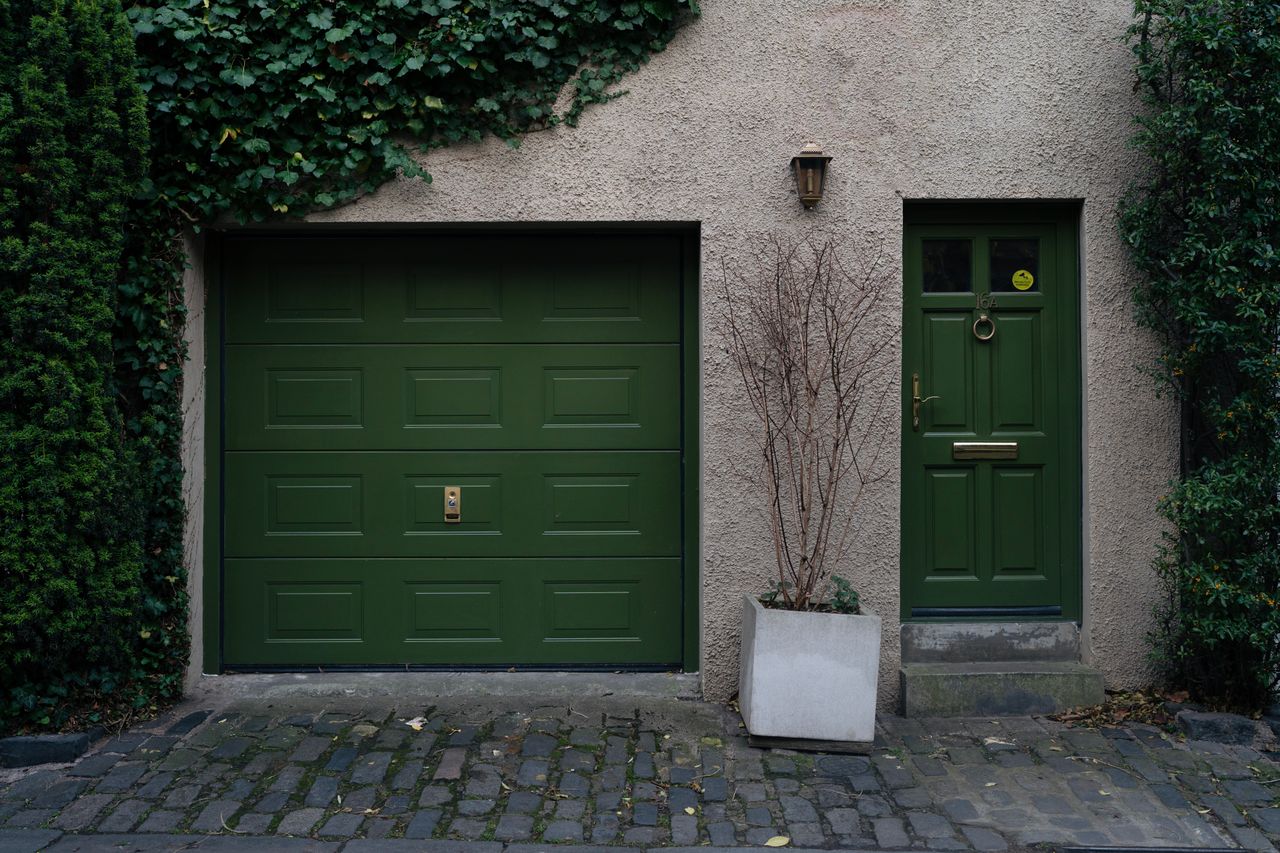
Garages and exterior entry points contribute to a home’s convenience, security, and overall appearance. A damaged door, poorly functioning lock, cluttered entrance, or neglected garage exterior can make daily use less convenient and affect the property’s presentation. Homeowners should begin by checking whether doors open and close smoothly, locks function correctly, and surrounding surfaces remain in good condition. Basic cleaning and organization may be sufficient for some properties, while worn or damaged components may require repair or replacement. Identifying the problem before purchasing new equipment helps prevent unnecessary spending and ensures that improvements address the actual issue.
Consider these manageable upgrades:
- Organize the garage: Use stable shelves and storage containers to keep tools, sports equipment, and seasonal belongings off the floor.
- Check door operation: Look for unusual noises, inconsistent movement, or visible damage during normal operation.
- Maintain the entrance: Clean the surrounding area, repair damaged trim, and ensure that the entryway remains accessible.
- Inspect locks and hardware: Replace broken or unreliable components with suitable products.
- Improve exterior visibility: Ensure that the garage entrance and nearby walking routes have adequate lighting.
- Address visible deterioration: Repair suitable cosmetic defects and investigate moisture or corrosion before applying new finishes.
If a garage door is severely damaged, repeatedly malfunctions, or has unreliable safety features, professional evaluation may be appropriate. A planned garage door replacement may be worth considering when repairs no longer provide a dependable or cost-effective solution. Garage door springs, cables, and related mechanisms can be dangerous under tension, so homeowners should not attempt unfamiliar repairs to these components.
Which Landscaping Projects Offer the Best Results for the Cost?
Landscaping can improve curb appeal and make outdoor spaces more pleasant without requiring a complete garden redesign. The best results often come from selecting plants suited to the climate, maintaining existing greenery, and organizing the space around how the property is used. Homeowners should consider sunlight, soil conditions, water availability, and the mature size of plants before making purchases. A small, well-maintained planting area may look more attractive than a large garden that is difficult to manage. Planning ahead also helps prevent plants from obstructing pathways, covering windows, or interfering with drainage and exterior materials.
Budget-conscious landscaping ideas include:
- Choose locally suitable plants: Species adapted to local conditions may require less intensive care once established.
- Use mulch appropriately: Mulch can help retain soil moisture and create a neat appearance around plants when applied correctly.
- Divide established plants: Some suitable perennials can be divided and replanted rather than purchased again.
- Create simple borders: Define planting beds with practical edging that complements the property.
- Maintain trees and shrubs: Remove dead growth and keep branches away from roofs, walkways, and exterior equipment.
- Reuse suitable containers: Clean existing pots and planters before buying additional decorative items.
Be careful with large trees near foundations, underground utilities, and drainage systems. Consider mature root growth and canopy size before planting. If branches are close to power lines or a tree appears unstable, contact an appropriate professional rather than attempting hazardous work yourself.
How Can You Plan Home Improvement Projects on a Budget?
A clear budget helps homeowners focus on improvements that solve real problems instead of spending money on unnecessary upgrades. Costs can increase when projects begin without measurements, materials are purchased before the work is planned, or unexpected damage appears during repairs. A realistic plan should identify the desired result, estimate material and labor expenses, and leave room for unforeseen costs. Homeowners should also compare the value of completing work themselves with the benefits of professional installation. The right decision depends on experience, available tools, project complexity, safety risks, and the cost of correcting mistakes.
Follow these steps to manage spending:
- List the improvements: Separate urgent repairs from cosmetic changes and optional upgrades.
- Set a spending limit: Establish an amount that fits your household budget without affecting essential expenses.
- Compare material prices: Check product quality, durability, and suitability rather than choosing solely by initial price.
- Get written estimates: For professional work, compare the scope, materials, timeline, and warranty terms.
- Reuse suitable items: Repair or repaint serviceable furniture, planters, hardware, and other features when practical.
- Measure carefully: Accurate measurements help reduce material waste and unnecessary purchases.
- Work in stages: Complete priority projects before beginning additional upgrades.
Avoid starting several major projects at once if doing so makes it difficult to control expenses. Keep records of purchases and completed work so that you can evaluate the budget as the project progresses. When repairs involve significant damage, prioritize understanding the underlying problem before investing in cosmetic finishes.
What Should You Consider Before Starting Larger Construction Projects?
Some home improvements go beyond cleaning, painting, and routine maintenance. Structural changes, room additions, major exterior alterations, and extensive renovations may require professional design, permits, inspections, and coordination between different trades. Planning these projects carefully helps homeowners understand the likely cost, schedule, and practical limitations before work begins. It also reduces the chance of discovering that a proposed change conflicts with building requirements or existing property conditions. Even when the work is handled by a contractor, homeowners should understand the project scope and know which decisions must be made before construction starts.
Before proceeding with a larger project, consider these factors:
- Define the objective: Identify the problem the project should solve and the features that are genuinely necessary.
- Review permissions: Check local building rules, zoning requirements, and any applicable association restrictions.
- Establish a realistic timeline: Account for contractor availability, material delivery, inspections, and possible weather delays.
- Compare qualified contractors: Review relevant experience, references, insurance, and written estimates.
- Document the agreement: Confirm the work scope, payment schedule, materials, responsibilities, and procedures for changes.
- Plan for unexpected costs: Reserve funds for problems that could not reasonably be identified before work began.
People interested in the construction industry may also explore how to start a construction business, including the licensing, insurance, financial planning, and project-management responsibilities involved. For homeowners, the practical takeaway is to choose qualified providers and understand how construction work should be organized before committing to a significant renovation.
How Can You Maintain Your Improvements Over Time?
Home improvements deliver more lasting benefits when homeowners maintain them after the initial work is complete. Paint can deteriorate, outdoor fixtures can become damaged, plants can grow out of control, and small leaks can return if the underlying cause remains unresolved. A simple maintenance routine makes it easier to notice these changes early and protect the money already invested. The schedule should reflect the home’s age, the materials used, local weather conditions, and the frequency with which different areas are used. Instead of waiting until something fails, homeowners can plan brief inspections throughout the year and address minor concerns before they become more disruptive.
A practical maintenance routine can include:
- Seasonal exterior checks: Look for damaged trim, peeling paint, loose components, and areas where water may be entering.
- Regular cleaning: Remove leaves, dirt, and debris from suitable surfaces and accessible outdoor areas.
- Landscape upkeep: Trim vegetation and keep paths, entrances, and drainage routes clear.
- Lighting inspections: Replace failed bulbs and arrange repairs for damaged fixtures.
- Door and lock checks: Confirm that doors, gates, and locks operate smoothly.
- Review completed work: Keep receipts, warranties, and maintenance records together for future reference.
Address recurring problems rather than repeatedly covering their symptoms. For example, repainting a damp wall without resolving the moisture source may lead to further deterioration. When an issue returns after a repair, consider whether a qualified professional should investigate the cause.
Conclusion
Improving a home’s safety and curb appeal does not require every room or exterior feature to be renovated at once. Cleaning, landscaping, lighting improvements, minor repairs, and better organization can create meaningful changes when projects are chosen carefully. Homeowners should begin with safety concerns and visible maintenance problems before investing in decorative upgrades or larger renovations.
A realistic budget, suitable materials, and an honest assessment of personal skills help prevent unnecessary expenses. Simple tasks may be manageable independently, while electrical work, garage door mechanisms, structural changes, and complex construction projects may require qualified professionals. Regular maintenance can also help preserve improvements and reveal developing problems earlier.
By choosing practical projects, planning the work properly, and knowing when to seek expert assistance, homeowners can create a property that is more welcoming, functional, and better maintained over time.