Home

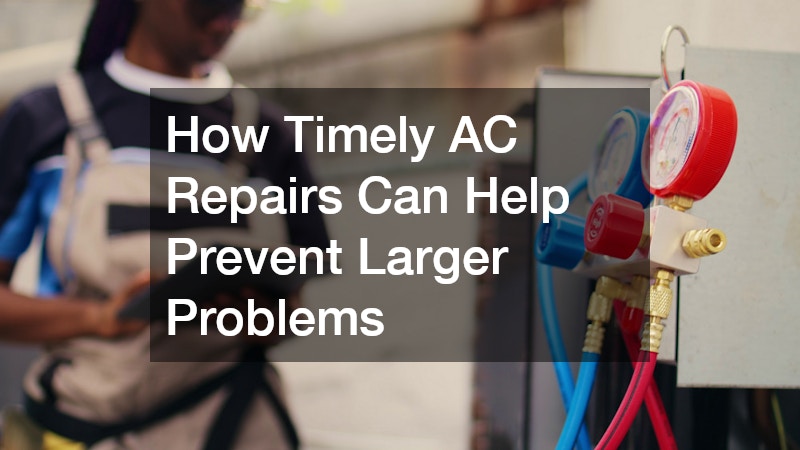
How Timely AC Repairs Can Help Prevent Larger Problems

Highlights


  • Catching minor HVAC issues early prevents catastrophic system failures and expensive emergency replacements.
  • Routine maintenance directly improves energy efficiency, keeping monthly utility bills consistently lower.
  • Addressing strange noises or leaks stops secondary property damage from excessive condensation or freezing.
  • Proper upkeep ensures high indoor air quality by preventing mold growth in ductwork and coils.
  • Prompt professional interventions extend the overall operational lifespan of the entire cooling unit.
  • Proactive scheduling guarantees peace of mind and reliable comfort during peak summer heatwaves.

What Happens When You Ignore Minor Cooling System Issues?

Ignoring minor cooling system issues invariably leads to cascading mechanical failures, transforming a cheap, simple fix into a massive financial burden. In the top-down view of home maintenance, addressing problems immediately is the single most effective strategy for preventing total system breakdowns during peak summer heat.


Video Source

When a residential or commercial air conditioner begins to show signs of distress—such as unusual rattling noises, weak airflow, or slightly warmer air—it is actively signaling that a component is struggling. If you delay necessary AC repairs, the system must work substantially harder to achieve the desired thermostat setting. This overcompensation places immense stress on critical, expensive parts like the compressor and the evaporator coils. By ignoring a worn fan belt or a minor refrigerant leak, homeowners inadvertently guarantee that these major components will eventually overheat and fail. Taking immediate action cuts off this domino effect, ensuring that small hiccups do not evolve into catastrophic, thousands-of-dollars emergencies that leave you stranded without any climate control.


How Does Proactive Maintenance Save Money on Monthly Bills?

Proactive maintenance saves money on monthly utility bills by ensuring your equipment operates at peak mechanical efficiency without unnecessarily draining electricity. When an air conditioner is properly tuned, it requires significantly less energy to cool your living space, leaving more money in your pocket each month. Consider the following ways immediate interventions reduce overall operational costs:


  • Dirty condenser coils force the compressor to run longer cycles, rapidly increasing electricity consumption.
  • Clogged air filters restrict vital airflow, causing the blower motor to draw excess amperage to push air through the home.
  • Low refrigerant levels mean the system cannot absorb heat effectively, leading to continuous, inefficient operation.
  • Failing capacitors cause hard starting, which pulls massive surges of electricity every time the unit turns on.
According to the Department of Energy, simply replacing dirty filters and addressing these minor inefficiencies can lower an air conditioner’s energy consumption by five to fifteen percent.


Why Is Indoor Air Quality Linked to System Upkeep?

Indoor air quality is intrinsically linked to system upkeep because your cooling unit acts as the primary respiratory system for your entire home. If you neglect essential AC repairs, you are actively allowing dust, allergens, and dangerous biological contaminants to circulate freely through every room. A compromised HVAC unit often struggles with proper dehumidification, leaving excess moisture lingering in the ductwork and around the evaporator coils. This dark, damp environment is the perfect breeding ground for mold, mildew, and harmful bacteria. When the blower fan engages, these microscopic spores are blasted into your living areas, where they are inhaled by your family. The EPA clearly warns that poor indoor air quality can cause severe respiratory issues, trigger asthma attacks, and lead to chronic fatigue. By ensuring all components are clean, functional, and properly draining, you safeguard the health of the occupants, proving that timely mechanical interventions go far beyond mere temperature control and directly impact human wellness.


What Are the Most Common Warning Signs of Imminent Failure?

The most common warning signs of imminent failure are highly detectable if you simply pay attention to how your unit sounds, smells, and performs daily. Recognizing these red flags allows you to dispatch a technician before the entire system locks up. You should immediately call a professional if you observe any of these critical symptoms:


  • Loud grinding or squealing noises, which typically indicate failing motor bearings or a severely degraded fan belt.
  • Musty or burning odors emanating from the vents, suggesting either rampant mold growth or melting electrical wire insulation.
  • Short cycling, where the compressor turns on and off rapidly without ever fully cooling the home to the set temperature.
  • Puddles of water forming around the indoor air handler, pointing to a clogged condensate drain line or frozen coils.
Catching these early indicators prevents sudden breakdowns, ensuring you maintain a consistently comfortable environment without suffering through the panic of an unexpected, high-cost emergency replacement.


Can Addressing Small Fixes Really Extend Your Unit’s Lifespan?

Addressing small fixes absolutely extends your unit’s lifespan by minimizing the cumulative wear and tear that prematurely ages complex mechanical machinery. Most modern central cooling systems are engineered to last anywhere from fifteen to twenty years, but this projected longevity is heavily dependent on strict, proactive maintenance. When you allow a minor issue like a loose electrical connection or a slightly unbalanced fan blade to persist, the resulting vibrations and electrical resistance slowly degrade surrounding components. Over several months, this neglected stress causes irreversible damage to the highly expensive compressor, which is the heart of the machine. The engineering experts at ASHRAE emphasize that maintaining optimal operating conditions prevents the rapid degradation of internal parts. By swapping out a fifty-dollar failing capacitor today, you successfully avoid replacing a two-thousand-dollar compressor next year. Ultimately, treating your system with urgency ensures you get the absolute maximum return on your original investment before eventually needing to purchase a new unit.


What Is the Final Verdict on Scheduling Immediate Service?

The final verdict on scheduling immediate service is that hesitation will invariably cost you exponentially more in the long run, both in dollars and daily comfort. Delaying necessary interventions is a gamble where the homeowner always loses, as mechanical problems never magically resolve themselves without professional intervention. We have established that catching problems early prevents catastrophic failure, slashes monthly utility expenses, protects your family’s respiratory health, and adds years of functional life to the equipment. There is simply no logical benefit to waiting until your home is sweltering to call a technician. The peace of mind that comes from knowing your equipment is finely tuned and ready to handle the most brutal heatwaves is invaluable. Therefore, the most responsible and economically sound decision you can make is to treat every minor rattling noise or warm breeze as an urgent priority. Act swiftly, schedule your professional assessment today, and secure the long-term reliability of your critical climate control infrastructure.
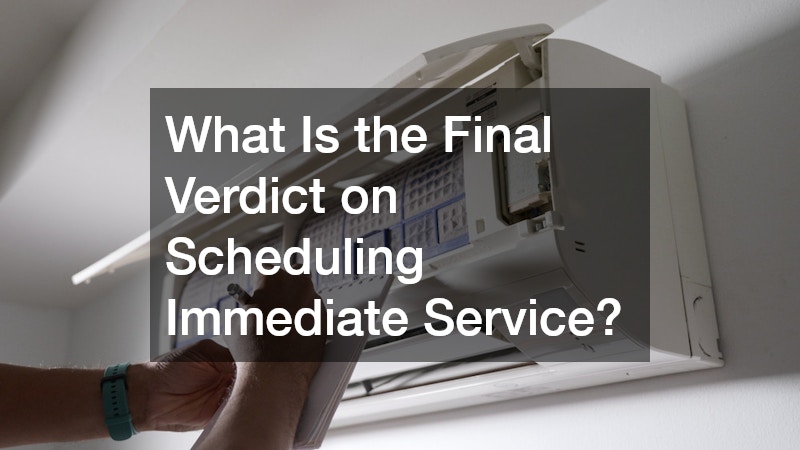
What Is the Final Verdict on Scheduling Immediate Service?