Understanding the essentials of roll off dumpster rentals can significantly improve waste management efficiency for projects ranging from home cleanouts to large construction jobs. Proper planning helps prevent delays, unexpected costs, and disposal issues that can disrupt a project timeline, especially when coordinating multiple phases of work. Whether you are managing renovation debris, landscaping waste, or demolition materials, knowing how the rental process works ensures smoother execution from start to finish and better on-site organization.
This guide breaks down the key factors to consider before booking roll off dumpster rentals so you can make informed, practical decisions and choose the right service for your project needs.
What Should Be Considered When Choosing a Dumpster Size?
Different projects require different container capacities. Small home cleanouts or garage decluttering may only require a compact dumpster, while full-scale renovations or construction projects often demand larger sizes. Roofing jobs, for example, typically generate heavy but bulky waste, while demolition projects produce dense debris that quickly fills space. Matching your project scope with the correct size is essential when arranging roll-off dumpster rentals.
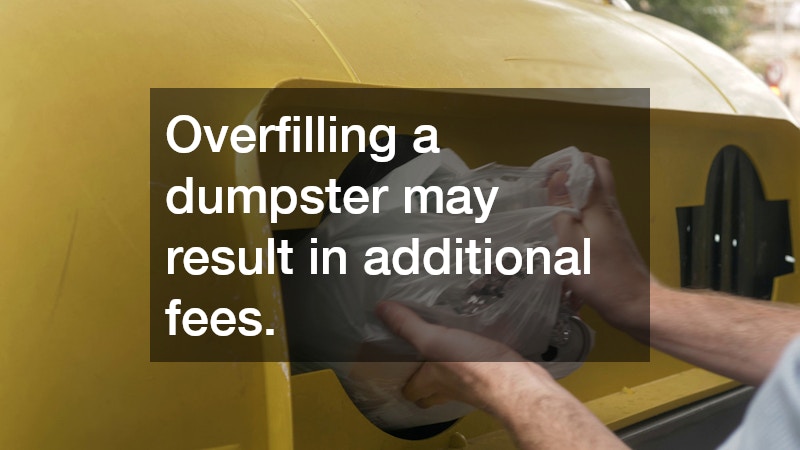
Choosing the wrong size can lead to inefficiencies. Overfilling a dumpster may result in additional fees or require a second container, while underutilizing one means you are paying for unused capacity. Estimating debris volume accurately helps avoid both extremes. Many providers offer sizing guidance to ensure customers get the most cost-effective option when booking roll-off dumpster rentals.
Proper scheduling plays a key role in maintaining project flow. Delivery should align with the start of debris-producing work, while pickup should coincide with project completion or key milestones. Clear communication with the rental provider ensures dumpsters are placed in accessible locations and removed promptly when full. Effective logistics planning improves efficiency when using roll-off dumpster rentals for time-sensitive projects.
What Can and Cannot Be Disposed of in a Roll-Off Dumpster?
Most general construction and household debris is accepted, including wood, drywall, flooring, furniture, yard waste, and non-hazardous renovation materials. These materials are commonly generated during remodeling, cleanouts, and landscaping projects and are typically straightforward to dispose of. Understanding what is acceptable helps maximize the usefulness of roll-off dumpster rentals while avoiding unnecessary complications and extra disposal fees.
Certain materials are restricted due to environmental and safety regulations. These typically include hazardous chemicals, paints, batteries, asbestos, propane tanks, and electronic waste in some jurisdictions, along with other regulated substances. These items require specialized disposal methods because they can contaminate landfills or pose safety risks during transport and handling. Reviewing restrictions before using roll-off dumpster rentals ensures compliance, protects workers, and supports responsible waste management practices.
Proper waste separation and loading techniques improve safety and efficiency throughout the rental period. Heavier items should be placed at the bottom, while lighter materials go on top to maximize space, stability, and safe transport. Avoiding prohibited items and distributing weight evenly helps prevent shifting loads and transportation hazards during pickup. Responsible use of roll-off dumpster rentals also supports environmental sustainability by ensuring waste is processed correctly and in accordance with local regulations.
How Do Roll-Off Dumpster Rentals Work?
Most roll-off dumpster rentals operate on a straightforward system involving delivery, a fixed rental period, and scheduled pickup. Customers typically select a dumpster size, receive a container dropped off at the job site, and fill it within the agreed timeframe. Pricing is usually based on factors such as dumpster size, rental duration, weight limits, and type of debris being disposed of. Understanding these terms in advance helps avoid overage fees and ensures you choose a package that aligns with project needs.
Every rental includes a formal agreement outlining usage rules, weight restrictions, and prohibited materials. In some areas, permits may be required if the dumpster is placed on public property such as a street or sidewalk, especially in high-traffic zones. Regulations can also vary depending on local waste management laws, particularly those governing hazardous or restricted materials. Reviewing these requirements before scheduling roll off dumpster rentals helps prevent compliance issues, service delays, and unexpected fines that can disrupt project timelines.
Selecting a reliable provider is just as important as choosing the right dumpster. Factors such as transparent pricing, delivery reliability, customer support responsiveness, and flexible pickup schedules should all be carefully evaluated. A reputable company will clearly explain terms, help estimate dumpster size based on project scope, and guide you through any permitting requirements that may apply in your area. Working with the right provider ensures your roll off dumpster rentals experience remains efficient, predictable, and stress-free from delivery to pickup.
Booking a roll off dumpster rental involves more than simply selecting a container—it requires careful attention to rental terms, sizing, and disposal regulations at every stage. By understanding how the process works, evaluating project needs accurately, and following proper waste guidelines, you can avoid unnecessary costs, scheduling issues, and compliance setbacks. Keeping these considerations in mind ensures that roll off dumpster rentals provide a smooth, efficient, and reliable solution for managing debris across a wide range of residential and commercial projects.