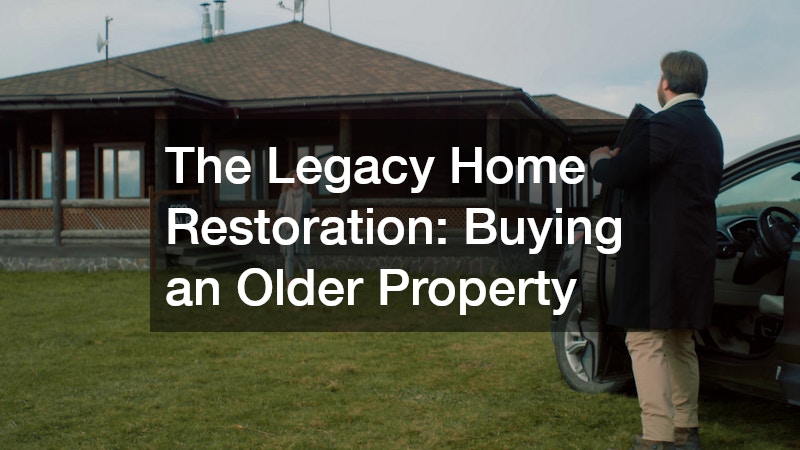

The allure of a legacy home is difficult to deny. Many people are drawn to the character of hand-carved banisters, original hardwood floors, and the sense of history that lives within century-old walls. However, the transition from a casual admirer of historical architecture to a responsible owner of an older property requires a shift in perspective. Restoration is not merely about aesthetic preservation; it is an intensive process of bringing antiquated systems up to modern standards of safety and efficiency. Those who choose this path often find that the rewards of reviving a piece of history outweigh the challenges, provided they approach the project with a clear strategy and a realistic budget.
A successful restoration begins with a thorough assessment of the structure’s exterior. While the visual appeal of a vintage facade is undeniable, the protective layers of the home are often the most neglected. Weathering over several decades can compromise the integrity of the shell, leading to issues that are not always visible to the naked eye. Before moving into the interior design phase, it is vital to secure the building against the elements. This often starts from the top down, looking at the state of the shingles, the flashing around chimneys, and the condition of the gutters.
Securing the Home Envelope
One of the most critical steps in the early stages of buying an older property is assessing the condition of the roof. Older homes often feature complex rooflines with multiple gables and dormers, which are prone to leaks if not maintained. It is common for previous owners to have layered new shingles over old ones, a practice that can hide structural rot. A homeowner should prioritize obtaining a professional roof estimate to understand the scope of work needed. This assessment provides a clear picture of whether a simple patch job will suffice or if a full tear-off and replacement is necessary to protect the investment. Understanding these costs early on prevents the financial strain of unexpected leaks once the interior renovations have begun.
Beyond the roof, the windows and siding of a legacy home frequently require attention. Many historical houses possess original single-pane windows that, while beautiful, offer very little in terms of insulation. Restoring these windows often involves re-weighting sashes and adding high-quality storm windows to preserve the look while improving thermal performance. Similarly, the siding might need careful scraping and painting or, in some cases, complete replacement with historically accurate materials. Keeping the moisture out is the primary goal, as water is the greatest enemy of the timber frames often found in older construction.
Managing Hidden Infrastructure

Once the exterior is secured, the focus typically shifts to the systems that remain hidden behind the walls and beneath the floorboards. In many older properties, the plumbing consists of materials that have long since reached the end of their functional life. Galvanized steel pipes can corrode from the inside out, leading to low water pressure and discolored water. Cast iron waste lines are also common and can become brittle or blocked by decades of debris. These issues often extend beyond the footprint of the house and into the yard where the main lines connect to the municipal system.
Older homes frequently struggle with root intrusion in their drainage pipes, particularly if large, established trees are nearby. This can lead to slow drains or even back-ups that damage the finished parts of the basement. A homeowner may find that they eventually need a professional sewer line repair to address cracks or collapses in these subterranean pipes. Modern techniques, such as trenchless lining, can sometimes resolve these problems without the need to dig up the entire lawn, but an inspection is necessary to determine the best course of action. Addressing these fundamental utility issues ensures that the home remains functional and sanitary for the next generation of occupants.
Energy and Heating Solutions
Heating an older home presents a unique set of challenges. These structures were often built before the era of central heating and cooling, meaning they may rely on outdated oil furnaces or inefficient radiators. When modernizing the climate control systems, many owners look for fuels that offer a balance of reliability and cost-effectiveness. In areas where natural gas lines do not reach, or for those who prefer an independent fuel source, residential propane becomes a highly viable option. It can power high-efficiency furnaces, kitchen ranges, and even fireplaces, providing a modern level of comfort without requiring massive changes to the home’s structural layout.
Converting to a cleaner-burning fuel also allows for more precise control over the home’s carbon footprint. Modern propane systems are significantly more efficient than the coal or oil systems of the past. Additionally, the tanks can be buried or screened by greenery to avoid detracting from the historical aesthetic of the property. This flexibility is particularly useful for homeowners who are trying to balance the preservation of the past with the technological requirements of the present day. Selecting the right energy source is a foundational decision that impacts the long-term utility costs of the property.
Modernizing the Electrical System
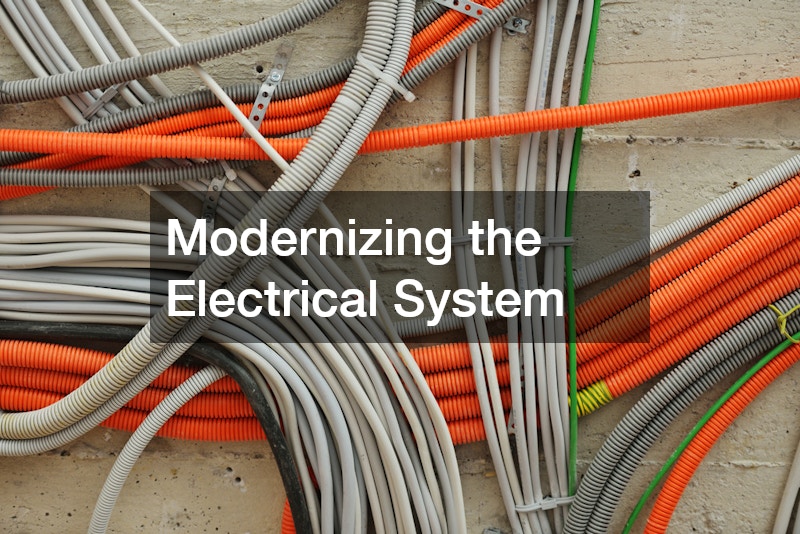
Perhaps the most daunting task in a legacy home restoration is the electrical overhaul. Many older houses still contain remnants of knob-and-tube wiring or ungrounded two-prong outlets. These systems were designed for a time when a household’s biggest electrical draw might have been a few light bulbs and a radio. Today, with the proliferation of high-end appliances, home theaters, and electric vehicle chargers, these old circuits are not only insufficient but can also be a significant fire hazard. Upgrading the wiring is a non-negotiable part of the restoration process.
During this transition, the central distribution point of the house must be addressed. Most older houses possess panels that offer only 60 or 100 amps of service, which is far below what is required for a modern lifestyle. It is common for renovation projects to include comprehensive electrical panel upgrades to increase capacity to 200 amps or more. This allows for the safe distribution of power to every room and ensures that the home meets current building codes. Having a modern panel also makes it much easier to integrate smart home technology and high-efficiency lighting systems later in the project.
Optimizing Hot Water Delivery
When people think about the luxuries of modern living, consistent and endless hot water is usually near the top of the list. Older homes typically have large, bulky water tanks that take up valuable basement space and eventually leak. These traditional heaters also consume energy constantly to keep the water in the tank hot, even when no one is home. As part of a utility modernization plan, many homeowners are choosing to move away from these inefficient models.
The installation of tankless water heaters is a popular choice for those restoring historical properties. These units are small and can be mounted on a wall, which is a major advantage in older basements where ceiling height might be limited. Because they heat water on demand, they are much more energy-efficient and provide a continuous supply of hot water, regardless of how many people are using the showers. This upgrade not only improves the daily living experience but also adds significant value to the home by introducing a high-end, modern feature into a classic setting.
Ensuring Power Reliability

Legacy homes are often located in established neighborhoods with mature tree canopies. While these trees provide beauty and shade, they also increase the likelihood of power outages during storms. Older electrical grids in these areas can also be more prone to failure. To mitigate these risks, many restoration enthusiasts incorporate backup power solutions into their plans. Having a reliable way to keep the lights on and the refrigerator running is essential for maintaining the comfort and safety of the household.
The most effective way to handle these interruptions is through the use of permanent standby generators. Unlike portable versions, these units are wired directly into the home’s electrical system and start automatically when a power loss is detected. They are typically fueled by the same sources used for heating, making them a seamless addition to the property’s infrastructure. By investing in this technology, homeowners can protect their sensitive modern electronics and ensure that their restored home remains a sanctuary even when the local utility grid struggles.
Curating the Exterior Space
The restoration of an older property is never truly finished until the surrounding grounds match the quality of the house itself. In many cases, the original gardens have been lost to time or overgrown by invasive species. The goal of an exterior renovation is often to create a balance between historical accuracy and modern functionality. Homeowners might want a space for entertaining guests, a safe area for children to play, or a quiet retreat for gardening.
Achieving this balance usually requires a professional landscape design that takes the home’s architectural style into account. For instance, a Victorian-style house might benefit from formal flower beds and winding gravel paths, while a mid-century modern home would look best with minimalist plantings and clean lines. A well-thought-out plan ensures that the outdoor spaces feel like an extension of the indoor living areas. It also addresses practical concerns like drainage and soil health, which are crucial for the long-term survival of the plants and the stability of the home’s foundation.
Professional Vegetation Management

Large, ancient trees are often one of the primary reasons people fall in love with older properties. These giants provide a sense of permanence and scale that new construction simply cannot replicate. However, they also require specialized care to ensure they remain healthy and do not pose a threat to the house. Overhanging branches can damage the roof, and decaying limbs can fall during high winds. Proper maintenance is a specialized task that goes beyond simple pruning.
Enlisting a professional tree service is a wise move for any new owner of an older estate. Experts can assess the health of the trees, identify any signs of disease or pest infestation, and perform necessary structural pruning. This proactive approach helps to preserve the aesthetic value of the trees while minimizing the risk of property damage. Additionally, clearing out dead wood and thinning the canopy can allow more light to reach the ground, which benefits the rest of the landscaping and prevents moss from growing on the home’s siding.
Defining Property Boundaries
Privacy is a highly valued commodity, especially in older neighborhoods where houses are often built closer together. The original fences of a legacy home are rarely in good condition; they are often leaning, rotting, or have been replaced over the years with mismatched materials. Installing a new boundary marker is a key step in finishing the property’s look. It provides security, contains pets, and defines the limits of the owner’s private domain.
Working with a reputable fence company allows the homeowner to choose materials and styles that complement the era of the house. For example, a classic wrought iron fence can look stunning in front of a colonial home, while a cedar picket fence might be more appropriate for a cottage. Beyond the visual aspect, the installation process must be handled carefully to avoid damaging the roots of established trees or interfering with underground utility lines. A well-installed fence is a finishing touch that ties the entire property together and enhances its curb appeal.
Maintaining Outdoor Comfort
Finally, the ability to enjoy the newly restored outdoor spaces depends heavily on the local environment. In many regions, the presence of biting insects can make it difficult to spend time on a porch or patio during the warmer months. Older properties, with their lush vegetation and sometimes uneven grading, can provide many hiding spots for pests. Addressing this issue is the final step in creating a truly livable estate.
Implementing a consistent program for mosquito control can dramatically change the way a family uses their yard. Professional treatments can target the areas where these insects breed and rest, reducing their population without harming the beneficial pollinators that the garden needs. This allows the homeowners to host evening dinners or relax in the garden without the constant annoyance of pests. When the interior of the home is a masterpiece of restoration, and the exterior is a comfortable oasis, the legacy of the property is truly preserved.
Restoring a legacy home is a journey of discovery and dedication. It requires the owner to act as a steward of the past while also being a savvy manager of modern technology. By addressing the roof, plumbing, and electrical systems with the help of qualified professionals, one can ensure the home is safe and efficient. By focusing on the landscape and outdoor comfort, the property becomes a complete retreat. While the process is often longer and more involved than buying a new house, the result is a unique home that offers a character and soul that cannot be found anywhere else. Through careful planning and a commitment to quality, these grand old structures can continue to stand as landmarks of craftsmanship and history for many decades to come.