In this article, we will delve into the methods and strategies utilized by professionals in effectively managing and controlling rodent populations. By understanding these practices, we can gain insights into maintaining a rodent-free environment. Rodent control is crucial in preventing the spread of diseases and in safeguarding property from damage. Professionals employ a combination of advanced techniques and time-tested methods to achieve effective results.
Their systematic approach ensures thorough coverage and long-term prevention of rodent infestation.
What Methods Do Professionals Use to Identify Rodent Activity?
Professionals begin by conducting thorough inspections of the property to identify signs of rodent activity. They look for droppings, gnaw marks, and tracks that might indicate the presence of rodents. The process of inspection not only helps in confirming rodent activity but also aids in estimating the extent of the infestation. This initial assessment forms the basis for developing a targeted control plan. Moreover, professionals may interview residents to gather additional insights into potential rodent sightings or sounds.
Behavioral Analysis
Understanding the habits and behaviors of different rodent species aids in creating targeted control measures. Different species have specific nesting and feeding habits, which influence how control methods are implemented. For instance, while mice are more likely to nest indoors, rats tend to build burrows outside. Professionals use this knowledge to tailor their strategies, ensuring that they effectively target the rodents in their natural environment. This behavioral analysis is integral in predicting future rodent activity and in planning effective interventions.
Use of Technology
Advanced tech, such as motion detectors and infrared cameras are employed to detect and track rodent movements. These tools provide professionals with real-time data, helping them understand the extent of rodent activity even in inaccessible areas. The use of technology enhances overall efficiency, reducing the time taken to identify problem areas. Infrared cameras, in particular, are useful in nocturnal tracking, allowing for a comprehensive understanding of rodent routes. This technological edge ensures that no corner is left unchecked, optimizing control efforts.
What Are the Most Effective Rodent Exclusion Techniques?
Professionals focus on identifying and sealing any potential entry points to prevent future infestations. This includes examining foundations, walls, and roofs for gaps or holes that rodents might exploit. Materials such as steel wool, caulk, and metal sheeting are commonly used to secure these entry points effectively. By sealing off access, professionals cut off the path rodents use to infiltrate buildings, significantly reducing the likelihood of re-infestation. This critical step of exclusion not only deters rodents but also fortifies the structure against other potential invaders.
Environmental Modifications
Altering the habitat to make it less conducive for rodents, such as removing food and water sources, is crucial. Professionals advise property owners to store food in rodent-proof containers and to maintain cleanliness to deter rodent attraction. Addressing leaks and ensuring proper waste disposal also form a part of these necessary modifications. By changing the environment, professionals create conditions that are unfavorable for rodent survival and reproduction. These holistic changes serve as a preventative measure, reducing the chances of a rodent-friendly habitat.
Use of Barriers
Implementing physical barriers like mesh and wire screens are common preventivemeasures. These barriers prevent rodents from accessing certain areas, adding an extra layer of defense. Screens are particularly useful for covering ventilation openings or chimneys that can’t be fully sealed off. Professionals choose barrier materials carefully, ensuring durability and effectiveness in warding off rodents. In many cases, these physical barriers remain a long-term solution that reduces dependency on chemical treatments.
How Do Professionals Safely Eliminate Rodent Infestations?
Using various types of traps, professionals can effectively capture rodents without causing harm to other wildlife. They deploy these traps strategically based on knowledge of rodent behavior and movement patterns. Types of traps include snap traps, live traps, and electronic traps, each suited to different situations. Proper placement and monitoring ensure the maximum success of trapping efforts. With humane trapping methods, professionals capture rodents efficiently and with minimal impact on the surrounding ecosystem.
Rodenticides
When necessary, the controlled use of rodenticides helps in safely reducing rodent populations. Professionals carefully select rodenticides, considering their efficacy, safety, and environmental impact. By following regulated protocols, they minimize risks to humans, pets, and non-target species. Proper application and timing are critical, ensuring that rodenticides deliver targeted results without unwanted side effects. Through responsible use, professionals balance efficacy with ecological considerations.
Monitoring and Follow-Up
Ongoing monitoring and follow-up visits ensure that rodent activity is under control and re-infestations are minimized. Professionals install monitoring devices to track any residual or new rodent activity post-treatment. Regular follow-ups allow them to make necessary adjustments to strategies, maintaining the effectiveness of control measures. Consistent monitoring also helps in early detection of any new entries or breaches, preventing small issues from escalating. This proactive approach is key to ensuring long-lasting rodent control.
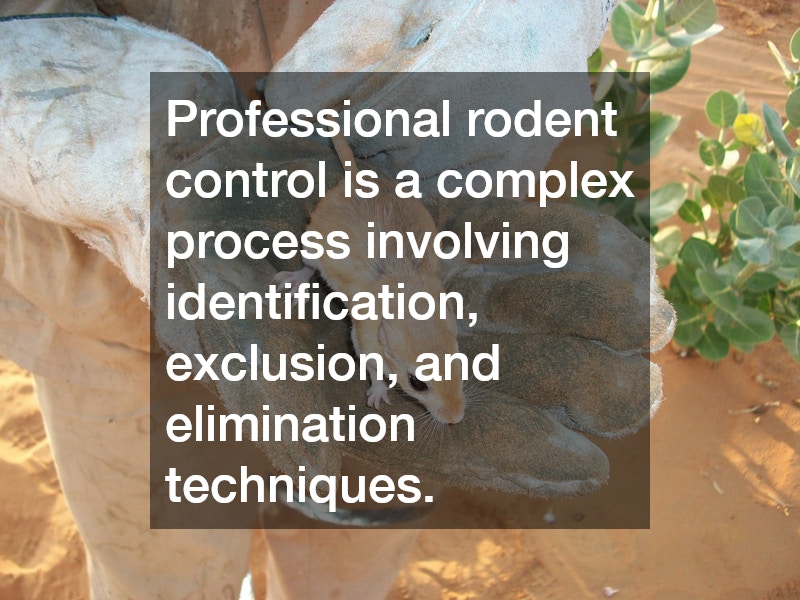
Professional rodent control is a complex process involving identification, exclusion, and elimination techniques to ensure effective management. By employing these methods, experts can maintain a safe and rodent-free environment. The integration of advanced technology, thorough inspection practices, and targeted interventions characterizes modern rodent control. As professionals focus on long-term solutions, they not only address current infestations but also provide strategies for preventing future occurrences. Their comprehensive approach ensures the safety and satisfaction of clients, fostering healthier and more secure living spaces.