High-traffic rooms are the workhorses of a home. Whether it’s a main hallway, kitchen, or frequently used bathroom, these spaces experience constant daily use and tend to show wear faster than other areas. Updating them requires more than aesthetic inspiration—it demands strategic planning focused on durability, functionality, and long-term value. Before starting a renovation, it’s important to evaluate how the space is used, who uses it, and what materials and design choices will hold up over time. A thoughtful approach ensures your investment delivers lasting performance without sacrificing visual appeal.
How to Ensure Durability in High-Traffic Areas?
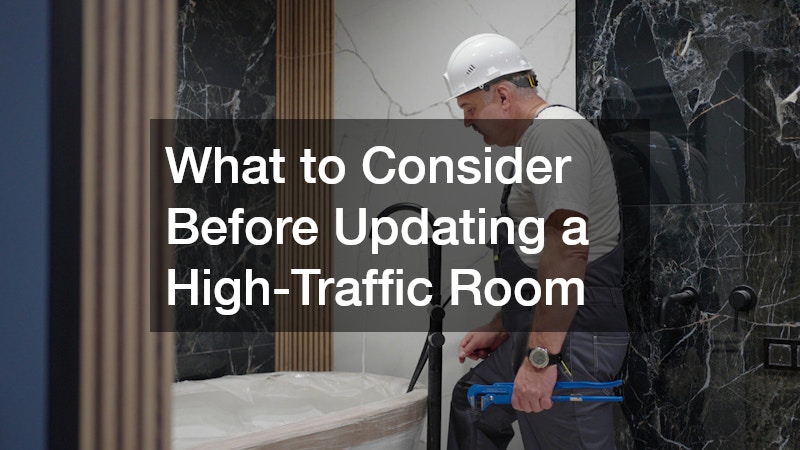
Material choice is one of the most critical decisions when updating a high-traffic room. Surfaces should be designed to withstand repeated use, moisture, and frequent cleaning. High-quality laminates, porcelain or ceramic tile, quartz, and solid-surface materials are popular for their durability and resistance to damage. In moisture-prone environments, selecting materials that resist warping, staining, and mold growth is essential. This is especially important in projects involving bathroom remodeling, where humidity and daily use place additional stress on surfaces. Investing in durable materials upfront reduces repair costs and extends the lifespan of the space.
Flooring in high-traffic areas must balance strength, safety, and ease of maintenance. Options such as tile, luxury vinyl, and engineered hardwood are well-suited for frequent foot traffic due to their resilience and long-term performance. These materials are also easier to clean, which helps maintain appearance over time. Slip resistance is another important consideration, particularly in areas exposed to moisture. Textured finishes or matte surfaces can enhance safety without detracting from design. Choosing the right flooring helps protect against premature wear and reduces the need for frequent replacement.
Protective finishes add an extra layer of defense against everyday wear. Sealants, coatings, and surface treatments can prevent scratches, stains, and moisture intrusion. For countertops, cabinetry, and wall surfaces, these finishes help maintain a clean, polished look even with heavy use. Regular maintenance of protective treatments is equally important. Reapplying sealants as recommended ensures surfaces continue to perform as intended, preserving both function and appearance.
What Design Elements Should Be Prioritized?
A well-planned layout supports smooth movement and reduces congestion in busy spaces. High-traffic rooms should be designed with clear pathways and logical placement of fixtures or furniture. This minimizes bottlenecks and makes the room more comfortable to use during peak times. In smaller spaces, thoughtful layout decisions can dramatically improve usability. Repositioning key elements or simplifying the design often enhances efficiency without expanding the room’s footprint.
Lighting plays a vital role in both functionality and comfort. High-traffic areas benefit from layered lighting that includes ambient, task, and accent options. Bright, evenly distributed lighting improves visibility and safety, while accent lighting adds depth and character. Energy-efficient fixtures and bulbs reduce operating costs and require less frequent replacement. Dimmable options also allow flexibility, adapting the space to different needs throughout the day.
Color selection influences both aesthetics and practicality. Lighter tones can make a space feel larger and more open, while mid-tone or patterned finishes help conceal scuffs, stains, and wear. Neutral palettes tend to age well and provide flexibility for future updates. In high-use areas, durability should guide color choices just as much as style. Selecting finishes that maintain their appearance over time helps preserve the room’s overall appeal.
How to Balance Aesthetics with Practicality?
Decorative elements add personality, but in high-traffic rooms, they should be chosen carefully. Opt for accents made from durable materials that can withstand handling and cleaning. Wall art, hardware, and fixtures should enhance the design without introducing fragile or high-maintenance components. Limiting overly ornate details can also reduce cleaning demands and prevent damage. Simplicity often supports both style and longevity.
Effective storage is essential for maintaining order in busy spaces. Built-in cabinetry, shelving, and concealed storage help reduce clutter and keep frequently used items accessible. Well-designed storage supports daily routines and prevents surfaces from becoming overcrowded. In spaces like bathrooms, smart storage solutions are particularly valuable. During bathroom remodeling projects, incorporating efficient storage can dramatically improve functionality while maintaining a clean, organized appearance.
Not every improvement requires a major investment. Updating hardware, lighting fixtures, or surface finishes can refresh a high-traffic room without exceeding budget limits. These targeted upgrades often deliver high visual impact at a lower cost. Focusing on changes that improve usability and durability ensures money is spent where it matters most. Strategic enhancements provide noticeable improvements while preserving long-term value.
Updating a high-traffic room requires a careful balance of durability, functionality, and design. By prioritizing resilient materials, practical layouts, and thoughtful finishes, homeowners can create spaces that withstand daily use while remaining visually appealing. Design choices should support how the room is used, not just how it looks.
Whether planning a full renovation or a targeted update, taking the time to consider these factors leads to better outcomes and fewer regrets. With the right approach, even the busiest rooms—especially those involved in bathroom remodeling—can be transformed into spaces that perform well, look great, and stand the test of time.