
Choosing the right roofing material is an important part of protecting a home. Different roofing types vary in cost, appearance, durability, maintenance needs, weight, and installation requirements. Some materials are widely used because they are affordable and versatile, while others are chosen for their longevity or distinctive appearance.
A professional roofer can help homeowners compare options based on the home’s architecture, local climate, structural requirements, and budget. Understanding the most common roofing materials is a good place to start.
Asphalt Shingles
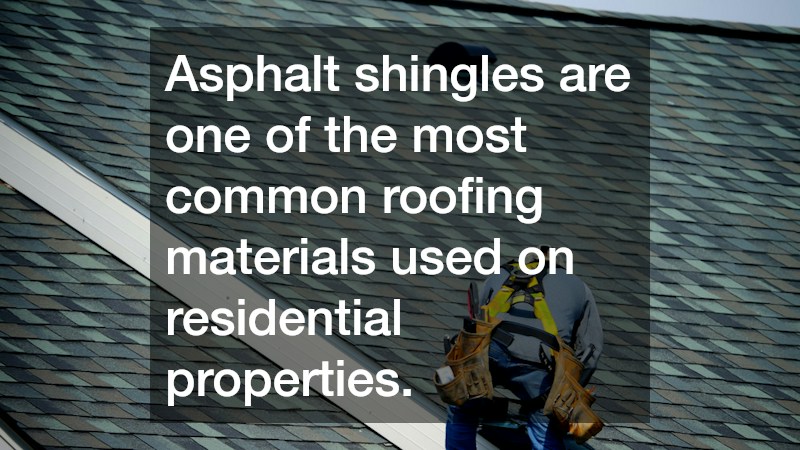
Asphalt shingles are one of the most common roofing materials used on residential properties.
They are popular because they are relatively affordable, widely available, and offered in a large range of colors and styles. Homeowners can choose from basic three-tab shingles, architectural shingles, and premium designs intended to mimic materials such as wood or slate.
Asphalt shingles are also easier to install than many heavier or more specialized roofing materials.
A roofer can help homeowners compare shingle products based on durability, warranty coverage, appearance, and expected performance.
Metal Roofing
Metal roofing has become increasingly popular for residential homes.
Modern metal roofs can be made from steel, aluminum, copper, or other materials. They are available in standing-seam panels and other styles that can complement both modern and traditional architecture.
Metal is valued for its durability and ability to shed rain and snow effectively.
The upfront cost is usually higher than asphalt shingles, but homeowners may choose metal because of its long service life and relatively low maintenance requirements.
Professional installation is especially important because improper fastening or flashing can lead to leaks.
Wood Shingles and Shakes
Wood roofing provides a natural, traditional appearance.
Wood shingles tend to have a smoother and more uniform look, while wood shakes are usually thicker and more textured.
Cedar is a common choice for this type of roofing.
Wood roofing can work well on rustic, historic, and high-end homes, but it generally requires more maintenance than asphalt or metal.
Moisture, insects, mold, and fire considerations can affect whether wood is appropriate in a particular location.
A roofer familiar with wood roofing can explain local requirements and the maintenance needed to keep the material in good condition.
Clay Tile Roofing
Clay tile is well known for its distinctive appearance.
It is especially common on Mediterranean, Spanish, and Southwestern-style homes.
Clay tiles can be highly durable and may maintain their appearance for many years when properly installed.
However, they are much heavier than asphalt shingles and require a roof structure capable of supporting the additional load.
Installation can also be more expensive because tiles are fragile and require careful handling.
Homeowners considering clay tile should have the structure evaluated before moving forward.
Concrete Tile Roofing
Concrete tile provides a similar appearance to clay but is made from a different material.
It can be manufactured in many colors and profiles, allowing it to imitate clay, slate, or other roofing styles.
Concrete tile is durable and can perform well in many climates.
Like clay tile, it is heavy, so structural support must be considered.
A qualified roofer can determine whether the home’s framing is suitable and whether reinforcement may be necessary.
Concrete tiles can also crack if walked on improperly, which is why repairs should usually be handled by experienced professionals.
Slate Roofing
Slate is a premium roofing material made from natural stone.
It is known for its classic appearance and potential longevity.
Slate tiles can last for many decades when installed correctly and maintained properly.
However, slate is expensive, heavy, and requires specialized installation.
Not every contractor has experience working with natural slate, so homeowners should choose a roofer who regularly installs and repairs this material.
Because of the weight, the roof structure may also need to be evaluated before installation.
Synthetic Roofing
Synthetic roofing products are designed to imitate materials such as slate, wood shakes, or tile.
They may be made from polymers, rubber, composite materials, or other manufactured products.
One of the main advantages is that synthetic products can provide the appearance of premium materials while being lighter and sometimes easier to install.
Quality can vary between manufacturers, so homeowners should carefully review product specifications, warranties, and installation requirements.
Synthetic roofing may be a good option for homes where the look of slate or wood is desired without the same weight or maintenance.
Flat and Low-Slope Roofing
Some homes, especially modern designs and additions, have flat or low-slope roof sections.
These areas usually require different materials than steep-slope roofs.
Common options include modified bitumen, built-up roofing, EPDM rubber, TPO, and PVC membranes.
These materials are designed to create a continuous waterproof surface and handle water differently than shingles.
A roofer experienced with low-slope systems can help determine which material is appropriate based on drainage, climate, and roof design.
Green Roofing
Green roofs use vegetation as part of the roofing system.
They typically include waterproof membranes, drainage layers, growing medium, and plants.
Green roofs can provide insulation, reduce stormwater runoff, and create usable outdoor space in some applications.
However, they require careful structural planning and ongoing maintenance.
They are more common on commercial buildings, but some residential properties also use them.
Homeowners interested in green roofing should work with specialists who understand waterproofing, structural loads, drainage, and plant selection.
Solar Roofing
Solar roofing incorporates photovoltaic technology into the roof.
This can include traditional solar panels mounted over roofing materials or integrated solar shingles designed to resemble conventional roofing.
These systems allow homeowners to generate electricity while maintaining roof protection.
Solar roofing usually requires coordination between a roofer and qualified solar or electrical professionals.
The condition and age of the existing roof should be considered before installing solar equipment, since replacing a roof underneath a solar system can be more complicated.
How Climate Affects Roofing Choices
Local weather can influence which roofing materials perform best.
Homes in areas with heavy snow may benefit from materials that shed snow effectively. Regions with intense sunlight may require products that resist ultraviolet exposure.
High winds, hail, humidity, and temperature swings can also affect roofing performance.
A local roofer can explain how different materials typically respond to the conditions in your area.
Consider Maintenance Requirements
Every roofing material requires some level of maintenance.
Asphalt shingles may need replacement when individual sections become damaged. Wood roofing may require more regular attention to moisture and organic growth.
Tile and slate are durable but can crack if struck or walked on improperly.
Metal roofs generally require relatively little maintenance but still need inspections around fasteners, seams, and flashing.
Understanding maintenance expectations before installation can help homeowners avoid surprises later.
Compare Cost and Long-Term Value
Roofing prices vary significantly.
Asphalt shingles usually have a lower upfront cost, while metal, slate, and tile may require a larger investment.
The least expensive roof initially is not always the least expensive over its entire service life.
Homeowners should consider lifespan, repair needs, energy performance, warranty coverage, and replacement frequency along with the installation price.
A professional roofer can provide estimates for multiple materials and explain how the costs compare.
Choose a Roofing Material That Fits the Home
There is no single roofing type that is best for every property.
Asphalt shingles are affordable and versatile, metal offers durability, wood provides a natural appearance, and slate or tile can create a premium look.
Synthetic and low-slope materials provide additional options for specific designs and budgets.
Before choosing, homeowners should consider appearance, structural requirements, climate, maintenance, and long-term costs.
Working with an experienced roofer can make it easier to understand the advantages and limitations of each material and select a roofing system that protects the home while complementing its design.