When temperatures rise, your air conditioning system works to remove heat from inside your home and release it outdoors. One of the most important parts of this process is refrigerant. Although many homeowners commonly refer to refrigerant as Freon, the term actually refers to a brand associated with certain refrigerant products rather than every refrigerant used in modern air conditioners.
Understanding the role refrigerant plays can make it easier to recognize problems with your HVAC system and understand why refrigerant-related repairs should generally be handled by trained professionals.
What Does Refrigerant Do?
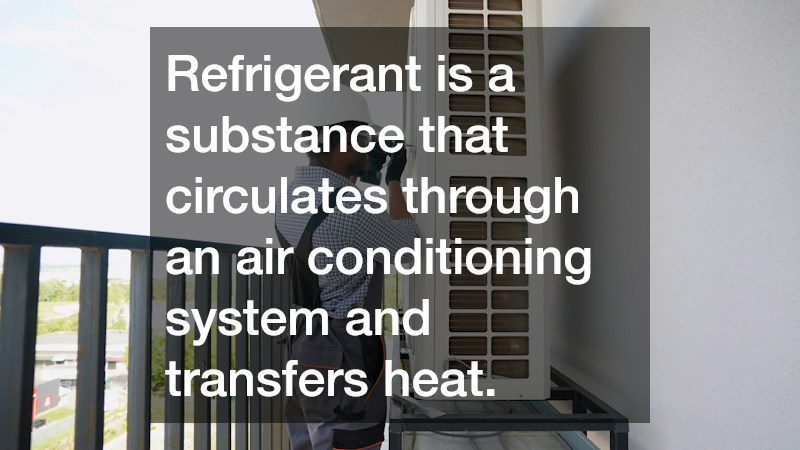
Refrigerant is a substance that circulates through an air conditioning system and transfers heat.
Rather than simply creating cold air, an air conditioner removes heat from indoor air. Refrigerant makes this heat-transfer process possible by repeatedly changing pressure and temperature as it travels through the system.
The refrigerant absorbs heat inside the home, travels outdoors, releases that heat, and then returns to repeat the cycle.
Without the correct amount and type of refrigerant, an air-conditioning system cannot perform this process effectively.
Is All Refrigerant Freon?
Homeowners often use “Freon” as a general term for air-conditioning refrigerant, but the terms are not exactly interchangeable.
Freon is a trademark that has been associated with multiple refrigerant products. Older residential air conditioners frequently used R-22, which is commonly associated with the Freon name.
Modern HVAC equipment generally uses other refrigerants because R-22 has been phased out of production and importation in the United States due to its effects on the ozone layer.
The specific refrigerant your system requires depends on the equipment. Refrigerants should never be mixed or substituted without considering manufacturer specifications and system compatibility.
Refrigerant Absorbs Heat Indoors
The indoor portion of the cooling process occurs at the evaporator coil.
Warm air from the home moves across the coil. Refrigerant flowing through the coil absorbs heat from that air.
As heat is removed, the cooler air can then be circulated back through the home using the blower and ductwork.
Humidity can also be reduced during this process as moisture from the indoor air condenses on the cold evaporator coil.
This combination of heat and moisture removal is what helps an air-conditioned home feel cooler and more comfortable.
The Compressor Keeps Refrigerant Moving
After absorbing indoor heat, refrigerant must travel through the rest of the cooling cycle.
The compressor plays an essential role by increasing the pressure of the refrigerant and helping move it through the system.
This prepares the refrigerant to release the heat it collected indoors.
The compressor is one of the most important and expensive components in many HVAC systems. Refrigerant problems that cause the system to operate improperly can potentially place additional strain on this equipment.
Heat Is Released Outside
The outdoor condenser unit is responsible for releasing the collected heat.
Once the refrigerant reaches the condenser coil, heat moves from the refrigerant into the outdoor air. The condenser fan helps move air across the coil to support this process.
After releasing its heat, the refrigerant continues through the system and eventually returns to the indoor evaporator coil.
This cycle happens repeatedly whenever the air conditioner is operating.
The process explains why warm air can often be felt blowing from the outdoor unit while the system is cooling the home.
Refrigerant Does Not Normally Get Used Up
One common misconception is that air conditioners periodically consume refrigerant in the same way that a car consumes fuel.
In a properly functioning closed system, refrigerant continuously circulates rather than being used up.
If an HVAC technician finds that the system has a low refrigerant charge, there may be a leak or another problem that needs investigation.
Simply adding more refrigerant without addressing the reason it became low may only provide a temporary solution.
Professionals can inspect the system to determine whether a leak is present and recommend an appropriate repair.
Low Refrigerant Can Reduce Cooling Performance
An air conditioner with insufficient refrigerant may struggle to transfer heat effectively.
Homeowners might notice that the house takes much longer to cool or that air coming from the vents does not feel as cold as it once did.
The system may run for extended periods while failing to reach the thermostat setting.
Longer operating cycles can increase energy use and put additional wear on equipment.
Because several other problems can cause similar symptoms, professional diagnosis is usually necessary before concluding that low refrigerant is responsible.
Ice Can Be a Warning Sign
Ice developing around refrigerant lines or the evaporator coil can indicate a problem.
Low refrigerant can contribute to coil freezing under certain conditions, but restricted airflow can cause similar symptoms.
A dirty air filter, blocked return vent, blower problem, or other airflow restriction may also result in ice formation.
If you notice ice on your HVAC equipment, turning the thermostat colder is unlikely to solve the problem. Continuing to operate a frozen system may make the situation worse.
A technician can inspect the system and identify the actual cause.
Refrigerant Leaks Require Professional Attention
Refrigerant should remain contained inside the air-conditioning system.
Leaks can develop at coils, fittings, joints, or refrigerant lines because of corrosion, vibration, physical damage, or normal equipment deterioration.
Finding small leaks may require specialized equipment and testing methods.
Refrigerant handling is also regulated, and technicians need appropriate training and certification for certain refrigerant-related work.
Homeowners should avoid attempting to open refrigerant lines or recharge an air conditioner themselves.
Your System Needs the Correct Refrigerant
Air conditioners are engineered to operate with specific refrigerants.
Different refrigerants have different operating pressures and characteristics, so one cannot automatically be substituted for another.
A label on the outdoor equipment may identify the refrigerant the system was designed to use.
Older HVAC systems using refrigerants that are no longer commonly available may become increasingly expensive to service. At some point, homeowners may need to compare the cost of refrigerant-related repairs with replacing the equipment.
Regular Maintenance Can Help Identify Problems
Routine HVAC maintenance gives technicians an opportunity to inspect system performance before a complete cooling failure occurs.
A technician may evaluate operating pressures, temperatures, coils, airflow, electrical components, and other factors.
Maintenance can sometimes reveal early signs of problems that would otherwise become noticeable only during extreme heat.
Keeping air filters clean and the outdoor condenser free from heavy debris can also support normal airflow and system performance.
Refrigerant Is Essential to Home Cooling
Refrigerant is at the center of the air-conditioning process. It absorbs heat inside the home, transports it through the system, releases it outdoors, and begins the cycle again.
Although homeowners often refer to all refrigerant as Freon, modern systems can use several different refrigerant types. The correct product depends on how the equipment was designed.
If your HVAC system struggles to cool, runs constantly, develops ice, or appears to have a refrigerant problem, professional evaluation can identify the actual cause. Keeping the cooling system properly maintained and addressing refrigerant leaks promptly can help ensure that it continues moving heat out of your home when temperatures climb.