Understanding how a roofer conducts a thorough inspection can help homeowners appreciate the value of professional services and the importance of maintaining the roof’s integrity. This article outlines key aspects of the roof inspection process, answering common questions and offering insights into what to expect during a professional assessment. Roofing inspections not only protect your investment but also provide peace of mind knowing your house is secure. It’s essential to have a clear understanding of what a roofer looks for during their evaluation. Through this detailed exploration, you’ll gain an appreciation for the meticulous work roofers perform to maintain structural safety.
What Tools Do Roofers Use for an Inspection?
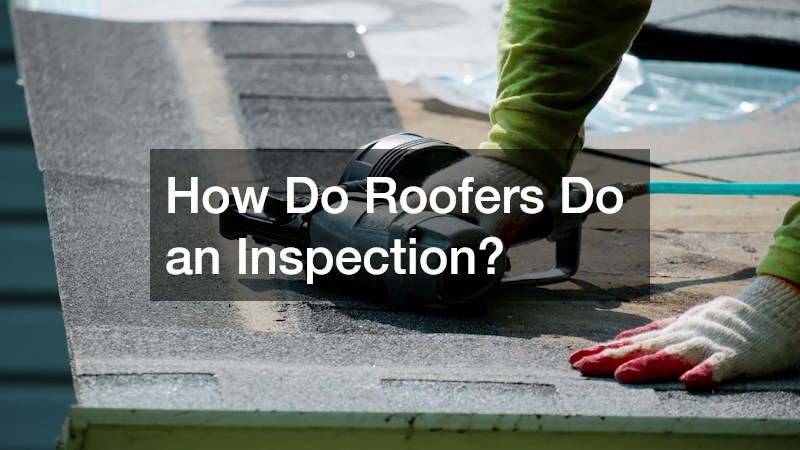
Roofers rely on a variety of specialized tools to conduct thorough inspections. Ladders and safety harnesses are essentials for accessing difficult angles and ensuring safety during inspections.
Roofers often use moisture meters to detect hidden moisture that can lead to leaks and further damage. Flashlights and headlamps help in identifying cracks or holes in poor lighting conditions. Drone technology is increasingly popular, providing aerial views that uncover issues invisible from the ground.
In addition to physical tools, digital devices like infrared thermometers detect temperature anomalies that signify possible problem areas. Smartphones equipped with specialized apps can document findings and create detailed reports. Binoculars enable roofers to safely inspect otherwise unreachable sections from the ground. These tools collectively allow a roofer to gather comprehensive data regarding the roof’s condition. Advanced technology, combined with traditional methods, ensures a thorough evaluation is conducted.
Roofers are meticulous, checking for both obvious and subtle signs of trouble using these tools. Ladder stability and proper anchoring mechanisms are critical for safety. The use of these tools steers the entire inspection process, enhancing efficiency and accuracy. Through seasonal inspections, issues like damaged shingles or clogged gutters can be addressed promptly. This preventative approach helps maintain roofing integrity and extend the lifespan of the structure.
What Are the Common Signs of Roof Damage?
Roof damage manifests in several recognizable forms to the skilled eye of a professional roofer. Missing or cracked shingles are often the most evident signs of roof aging or storm damage. Water stains on your ceiling or walls may indicate a leak somewhere in your roof. Mold or moss growth can be a sign of trapped moisture, which can compromise the structural integrity. Sagging spots on the roof may hint at potentially severe underlying issues, including rotting deck or broken supports.
Asphalt shingle roofs show granular loss, which is noticeable as granules in gutters or downspouts. Flashing damage might manifest as rusted or uplifted metal, particularly around chimneys, skylights, or vents. Persistent mildew or damp spots on internal walls hint at inadequate attic ventilation, causing moisture to accumulate. From the outside, buckled shingles can be a clear indicator of aging or poor installation. Paying attention to shingles curling at the edges can also warn of imminent replacement needs.
Understanding these signs allows homeowners to engage roofers before problems exacerbate. Quick action can prevent the escalation of minor issues into significant repairs, saving time and money. Roofers’ trained eyes can move beyond these primary indicators to detect more nuanced threats. Professional inspections annually, or after a major storm, are recommended in order to assess any potential damage promptly. Addressing these issues immediately guards against leaks and other costly damages.
How Often Should a Roof Be Inspected?
The frequency of roof inspections depends on a few key factors including roof age, local weather patterns, and previous damage. Generally, it is recommended that roofs be inspected at least once a year to catch minor issues before they become major repairs. In regions prone to severe weather events such as hurricanes or heavy snow, bi-annual inspections can be prudent. After a significant weather event, an inspection can uncover hidden damage that might not be immediately obvious. Regular checks offer a timeline of potential wear, documenting issues as they arise and ensuring they are addressed quickly.
Particularly for older roofs, structural elements may weaken over time, so more frequent inspections are advisable. Inspections contribute to maintaining the homeowner’s safety, extending the life of your roofing system, and protecting property value. Professional roofers can recommend an inspection frequency suited to specific roofing types and environmental conditions. Consistency in inspections can also help homeowners plan and budget for any necessary repairs, preventing surprises. Clear records of regular inspections can be beneficial when dealing with insurance companies in the event of damages.
The peace of mind offered by scheduled inspections is invaluable for homeowners. By addressing smaller problems like broken shingles or damaged flashing promptly, larger and more costly issues can be avoided. Homeowners can rest assured that preventative maintenance keeps their roof in optimal condition year-round. Tracking inspection results over time provides valuable insights into the roof’s aging process. Experts agree that diligent inspection schedules are a cornerstone of effective roof management.
What Are the Steps in a Professional Roof Inspection?
The steps involved in a professional roof inspection aim to thoroughly assess the entire roof’s condition. Initially, there is a ground-level examination, which includes inspecting gutters, vents, and the general condition of shingles. Roofers perform a close-up examination next, climbing onto the roof when it’s safe to inspect for missing, curled, or cracked shingles. They check flashing around chimneys and other protrusions for gaps or rust. Finally, the attic interior is inspected for structural issues, ventilation, or potential water intrusion.
Each inspection culminates in a detailed report prepared by the roofer. This report includes photographs, explained findings, and suggested repair recommendations if issues are identified. Roofers also highlight potential future risks based on their observations. Discussing solutions with the homeowner allows for informed decision-making. Understanding the complete scope of the roof’s health helps in budgeting for maintenance or upgrades.
A thorough inspection safeguards against potential roofing failures that could lead to more serious building damage. Establishing a comprehensive inspection plan tailored to the specific needs of the property ensures continuity in upkeep. This preventative measure is essential in prolonging the life of the roof and protecting the inhabitants below. Engaging a skilled professional provides the benefit of their industry expertise and specialized equipment. Scheduled inspections thus address all aspects of roof health, aligning with best practices for property maintenance.
What Should Homeowners Expect After a Roof Inspection?
After a detailed roof inspection is completed, homeowners should expect a comprehensive report covering all findings and recommendations. This includes both photographic evidence and detailed notes on the condition of roofing materials, gutters, and structure. Based on the inspection results, recommendations may include immediate repairs, routine maintenance tasks, or simply monitoring potential trouble areas. This information allows homeowners to take proactive steps, alleviating concerns over unforeseen damage costs. A professional’s eye often spots issues that aren’t evident to an untrained observer.
Upon discussing the inspection findings, homeowners might choose to prioritize certain repairs based on urgency and budget. Immediate actions typically address leaks or potential water intrusion points first. Establishing a maintenance plan now ensures longevity and optimal performance of the roof. Making small repairs promptly can prevent thousands of dollars in damage and protect the integrity of a home’s interior. Routine assessment results in appreciating the proactive approach toward home upkeep.
Homeowners can feel assured knowing they have a documented state of their rooftop, helpful for insurance purposes. Over time, periodic inspections provide an enduring record of wear and improvements performed. This ongoing maintenance improves the roof’s longevity and performance. Homeowners gain peace of mind knowing small issues won’t escalate into burdensome repairs. Ultimately, this enables better financial planning and foresight into home upkeep costs.
A professional roof inspection offers invaluable insights for maintaining your home’s structural integrity. By understanding the processes and importance of regular inspections, homeowners can ensure smaller issues are addressed before they escalate, extending the lifespan and safety of their roof. The value of engaging experienced roofers lies in their ability to quickly identify and resolve potential problems. Proactive maintenance not only guards against unexpected failures but also enhances property value. Scheduling routine inspections is a smart investment towards sustainable home protection and comfort.