A well-maintained home is more than a clean, attractive place to live. It is a collection of interconnected systems that protect the property, provide comfort, and support everyday life. Roofing, drainage, plumbing, electrical components, heating and cooling equipment, flooring, and exterior features can all develop problems when routine maintenance is overlooked. Small issues can also affect other parts of the property, turning an inexpensive repair into a much larger project.
The best approach is to maintain these systems consistently rather than waiting until something breaks. Regular inspections, seasonal maintenance, prompt repairs, and professional evaluations can help homeowners identify developing problems before they become emergencies. A practical maintenance routine can also make household expenses more predictable and help extend the useful life of major property components.
Create A Year-Round Home Maintenance Schedule
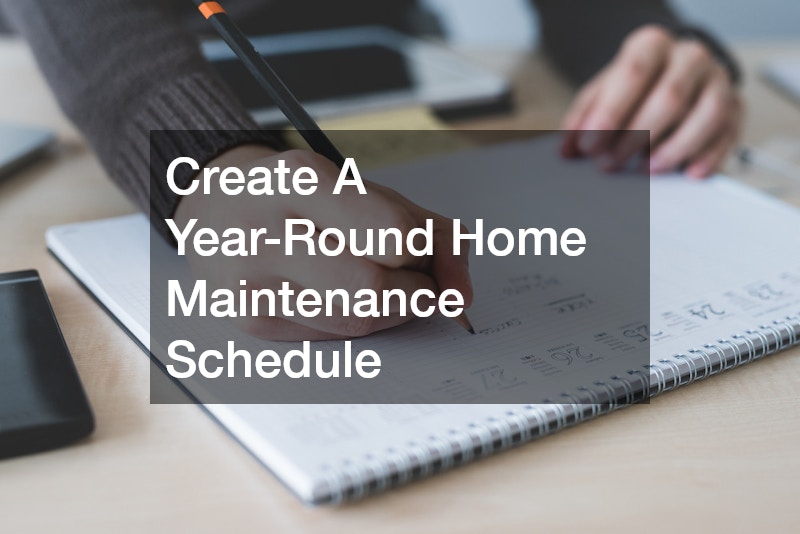
Home maintenance becomes much easier when responsibilities are organized instead of handled randomly. A written schedule allows homeowners to keep track of recurring tasks, identify developing issues, and plan professional services before problems become urgent. It is particularly useful for larger properties where different systems may require attention at different times of the year.
Start by dividing maintenance into monthly, seasonal, and annual responsibilities. For example, homeowners can visually inspect exposed plumbing and electrical components each month, clean gutters seasonally, and arrange professional inspections or servicing annually when appropriate.
A maintenance record should include:
- Dates of inspections and repairs
- Equipment installation and replacement dates
- Manufacturer recommendations and warranty information
- Contractor invoices and service records
- Problems that have occurred repeatedly
- Materials used for previous repairs
- Upcoming maintenance appointments
Homeowners should also prioritize tasks according to risk. A dripping faucet may require attention, but an exposed electrical wire, active roof leak, or major water leak deserves immediate action. Safety-related problems should never be postponed simply because they are inconvenient.
It is also important to understand the difference between maintenance and repairs. Cleaning an HVAC filter is routine maintenance, while replacing a failed component requires specialized work. Knowing when to stop a DIY project and contact a qualified professional can prevent additional damage and personal injury.
Protect Exterior Surfaces Before Damage Spreads
Exterior surfaces constantly face sunlight, rain, wind, temperature changes, and other environmental conditions. Even durable materials eventually show signs of wear. Regularly examining siding, trim, doors, windows, and painted surfaces gives homeowners an opportunity to address deterioration before moisture reaches underlying materials.
Look for peeling paint, bubbling finishes, cracked caulk, discoloration, soft wood, and areas where water appears to collect. These signs do not always mean a major repair is necessary, but they should be investigated. Pay particular attention to areas around windows, doors, rooflines, and other locations where different materials meet.
When repainting is necessary, preparation is just as important as the paint itself. Surfaces may need cleaning, scraping, sanding, patching, priming, and caulking before a new coating is applied. A local painting contractor can evaluate the condition of exterior surfaces and determine which preparation and coating methods are appropriate.
Homeowners can extend the life of exterior finishes by keeping surfaces clean and maintaining caulk around vulnerable openings. Trim should also be inspected for moisture damage, while landscaping should be kept from rubbing against walls or blocking ventilation.
Maintain Driveways, Walkways, And Outdoor Areas
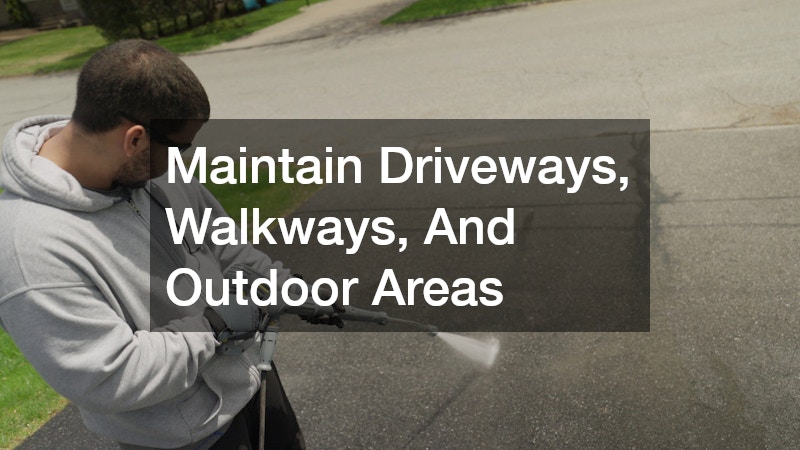
Outdoor surfaces receive considerable wear from vehicles, foot traffic, weather, drainage, and seasonal temperature changes. Small cracks in driveways and walkways should not automatically be dismissed as cosmetic. Water can enter these openings, and repeated freezing and thawing can cause cracks to expand.
Inspect paved areas after severe weather and periodically throughout the year. Look for potholes, widening cracks, uneven sections, standing water, and areas where the surface appears to be sinking. Drainage should receive particular attention because water that repeatedly collects near pavement can accelerate deterioration.
For suitable asphalt surfaces, sealcoating services can provide an additional layer of protection against weather exposure and everyday wear. However, sealcoating is not a substitute for repairing serious structural damage first. Cracks, potholes, and drainage issues should be properly evaluated and addressed before protective treatments are applied.
Hardscaping also requires routine care. Patios, retaining walls, walkways, outdoor steps, and other constructed landscape features should be checked for shifting, cracking, erosion, and drainage problems. Keep joints and drainage paths clear of debris, and monitor areas where water repeatedly flows toward structures.
If an outdoor surface changes significantly after heavy rain or winter weather, do not simply fill the visible damage without investigating the underlying cause. Soil movement, poor drainage, or water infiltration may cause the problem to return.
Keep Roofing And Drainage Systems Working Together
The roof and water-management system work together to keep precipitation away from vulnerable parts of the home. A roof can be in relatively good condition, but clogged or improperly functioning gutters may allow water to collect around the foundation or run down exterior walls.
Homeowners should perform visual roof inspections from the ground and, when safely accessible, examine visible areas for missing or damaged shingles, deteriorated flashing, sagging sections, moss growth, and signs of water intrusion. Interior ceilings and attic spaces should also be checked for stains, damp insulation, or other evidence of leaks.
Roofers can provide professional inspections when damage is suspected or when the roof reaches an age where closer evaluation is appropriate. Professional assessments are especially important after severe storms because damage may not always be obvious from ground level.
Gutters should be cleaned regularly, particularly when surrounding trees shed leaves and other debris. Check for sagging, separated joints, loose fasteners, and areas where water spills over the sides. A gutter contractor can evaluate persistent drainage problems and determine whether gutters, downspouts, or their configuration need attention.
Downspouts should discharge water far enough away from the home’s foundation to prevent excessive moisture accumulation. Homeowners should also make sure extensions remain connected and unobstructed. Effective drainage can reduce the likelihood of soil erosion, foundation moisture, basement water intrusion, and landscape damage.
Prevent Plumbing Problems Before They Become Emergencies

Plumbing problems often begin with subtle warning signs. A small leak under a sink, slow drain, or toilet that runs periodically may seem minor, but these issues can waste water and sometimes indicate a larger problem.
Inspect exposed pipes beneath sinks and around appliances for moisture, corrosion, mineral deposits, or damaged connections. Check faucets for persistent dripping and examine toilets for leaks or unusual flushing behavior. Homeowners should also monitor water bills because an unexplained increase can indicate a hidden leak.
Plumbing services may be necessary when homeowners encounter recurring clogs, unexplained water pressure changes, persistent leaks, sewer odors, or water damage. Repeatedly treating a clogged drain without identifying its cause can allow the underlying problem to continue.
Homeowners should know where the main water shutoff valve is located. In an emergency, being able to stop the water quickly can significantly reduce damage. Individual shutoff valves should also be identified for toilets, sinks, appliances, and other fixtures where applicable.
Cold weather creates additional risks. During freezing conditions, exposed pipes should be properly protected, and vulnerable areas should receive adequate insulation. If a pipe freezes, homeowners should avoid unsafe methods for rapidly thawing it and seek professional assistance when necessary.
Water heaters also deserve periodic attention. Follow manufacturer recommendations for maintenance, inspect surrounding areas for leaks, and watch for unusual noises or changes in hot-water performance.
Inspect Electrical Systems With Safety In Mind
Electrical maintenance should always prioritize safety. Unlike many cosmetic home improvements, electrical problems can create serious fire and shock hazards. Homeowners should conduct visual inspections but should not attempt repairs involving energized components unless they are properly qualified.
Warning signs that deserve attention include flickering lights, frequently tripped breakers, buzzing sounds, warm outlets, loose switches, damaged cords, sparks, and burning odors. Any unusual smell or evidence of overheating should be treated seriously.
An electrician should handle electrical work that requires opening panels, modifying wiring, installing circuits, correcting faulty connections, or addressing other potentially hazardous conditions. Homeowners should never assume that a problem is safe simply because an outlet or light fixture continues to operate.
Routine household precautions can also reduce risks. Avoid overloading outlets, replace damaged cords, keep electrical equipment away from water, and use extension cords only for appropriate temporary applications. Homeowners should also test applicable safety devices according to manufacturer instructions.
When purchasing appliances or adding equipment, consider whether the existing electrical system can safely support the additional demand. Major upgrades should be evaluated by a qualified professional rather than handled through improvised wiring.
Keep Heating And Cooling Equipment Efficient

Heating and cooling systems have a major effect on household comfort and energy consumption. Preventive maintenance helps equipment operate effectively while giving homeowners an opportunity to identify problems before a system stops working during extreme weather.
Start with the air filter. Replace or clean it according to the equipment manufacturer’s recommendations and household conditions. Homes with pets, construction activity, or higher dust levels may require more frequent attention. A dirty filter can restrict airflow and place additional strain on equipment.
Keep supply and return vents unobstructed by furniture, curtains, rugs, or stored items. Outdoor equipment should also remain clear of leaves, grass, branches, and other debris. Good airflow allows the system to perform as intended.
Homeowners should watch for warning signs such as:
- Uneven temperatures between rooms
- Unusual noises or vibrations
- Strange odors
- Weak airflow
- Frequent cycling
- Unexplained increases in energy use
- Water around equipment
- Difficulty maintaining the selected temperature
An HVAC contractor can perform appropriate inspections, maintenance, and repairs when professional attention is required. Regular servicing can help identify worn components, airflow restrictions, drainage problems, and other issues before they result in a complete system failure.
Homeowners should also keep outdoor and indoor equipment accessible for servicing. Avoid storing household items around mechanical equipment, and follow the manufacturer’s recommended clearance requirements.
Protect Floors From Moisture And Everyday Wear
Flooring experiences constant traffic, making it one of the easiest parts of a home to overlook until visible damage appears. Routine cleaning and prompt attention to spills can help preserve flooring, but homeowners should also look beneath the surface for potential moisture problems.
Different flooring materials require different cleaning methods. Excessive water may damage certain wood products, while abrasive cleaners can affect finishes. Follow manufacturer recommendations rather than assuming every floor can be maintained in the same way.
Watch for buckling, lifting, loose boards, cracks, discoloration, soft areas, or unusual movement. These symptoms can result from normal wear, installation problems, or moisture beneath the flooring. If a leak caused the damage, replacing the visible material without correcting the source can result in recurring problems.
Floor installers can help homeowners evaluate replacement options when flooring has reached the end of its useful life. Before new flooring is installed, the subfloor should be examined for moisture, damage, unevenness, or other conditions that could affect the finished surface.
Protect high-traffic areas with appropriate mats and use furniture pads where needed. Clean spills promptly, trim pet nails when appropriate, and avoid dragging heavy furniture across finished surfaces. These small habits can reduce scratches and premature wear.
Maintain Fences And Property Boundaries
Fences provide privacy, security, property definition, and visual appeal, but they are exposed to wind, moisture, insects, sunlight, and soil movement. Regular inspections can help prevent a minor loose section from becoming a larger replacement project.
Examine fence posts for leaning, rot, cracking, or movement. Check panels, rails, gates, hinges, screws, and other hardware for deterioration. Wooden fencing should receive particular attention around posts and areas where water can remain trapped.
Custom fence builders can help homeowners develop replacement or improvement solutions when a fence no longer meets the property’s needs. This can be especially useful when homeowners need fencing designed around unusual property layouts, specific privacy requirements, or particular aesthetic goals.
Vegetation should not be allowed to grow aggressively against fencing because branches and vines can trap moisture or create physical pressure. Keep drainage paths clear near fence lines, and watch for soil erosion after major storms.
Gates deserve frequent attention because movement can place additional stress on hinges and posts. A gate that drags, fails to close, or no longer latches securely may indicate shifting posts or deteriorating hardware. Addressing these issues early can help preserve the rest of the structure.
Know When Maintenance Requires Professional Help
One of the most valuable maintenance skills a homeowner can develop is recognizing when a problem requires specialized expertise. Attempting to save money by performing an unfamiliar repair can sometimes create additional damage, void warranties, or introduce safety risks.
Professional assistance is particularly appropriate when a problem involves electrical wiring, gas equipment, structural damage, significant water intrusion, major roofing defects, or complex mechanical systems.
Before hiring a contractor, homeowners should:
- Confirm relevant licensing or credentials where required.
- Ask whether the contractor carries appropriate insurance.
- Request a detailed description of the proposed work.
- Compare estimates for major projects.
- Review warranties and maintenance requirements.
- Ask about materials, expected timelines, and cleanup.
- Keep copies of contracts, invoices, and inspection records.
It is also important to look beyond the immediate symptom. A stained ceiling could indicate a roof problem, plumbing leak, or condensation issue. A damaged floor could result from moisture originating elsewhere. Standing water around a patio could be caused by grading or drainage rather than the paving material itself.
Understanding these connections helps homeowners make better decisions. Instead of repeatedly treating symptoms, they can address the underlying source of the problem and reduce the likelihood of recurring repairs.
Maintaining a home does not require waiting for something to fail before taking action. A consistent schedule of inspections, cleaning, servicing, and timely repairs can help homeowners protect major property systems and avoid preventable damage. The most effective maintenance strategy combines simple tasks that homeowners can safely perform with professional inspections and repairs when specialized knowledge is required.
By documenting maintenance, watching for early warning signs, and responding promptly to problems, homeowners can keep their properties safer, more comfortable, and more functional. Proactive care also makes major expenses easier to anticipate and can help preserve the long-term condition and value of the home.