Building a dream home is often romanticized in popular culture as a montage of picking out paint colors, unrolling blueprints on a sunlit table, and toasting with champagne as the final brick is laid. However, the reality of designing and executing a massive property project involves complex logistics, massive budgets, and a remarkably steep learning curve. The journey from a vacant lot or a dilapidated teardown to a masterpiece of modern living is paved with permits, supply chain delays, and critical structural decisions.
The undisputed truth of real estate development is that the success of a project relies entirely on the people executing it. The most brilliant blueprints in the world are only as good as the team bringing them to life. Whether you are aiming for a sprawling country estate, a sleek urban oasis, or a comfortable suburban sanctuary, you are stepping into the role of a project executive. Your most important job is not swinging a hammer; it is vetting, hiring, and managing the right professionals for every phase of your property’s development.
The sheer volume of specialists required for a comprehensive build can be overwhelming. You need visionaries to draw the lines, engineers to ensure the structure stands, and tradespeople to execute the minute details. By carefully selecting specialists for each specific zone of your property—from the deep foundation to the farthest corners of your backyard—you can avoid costly mistakes, minimize stressful delays, and ensure a cohesive final result. This comprehensive guide will serve as your step-by-step roadmap to navigating the hiring process, ensuring that the team you build is perfectly equipped to build the home you have always imagined.
Establish Your Core Team Before Breaking Ground

The foundation of your project—both literally and figuratively—starts with the primary visionaries and heavy lifters who will construct the main structure. Rushing this phase is the single biggest mistake property owners make. Before a single shovel hits the dirt, you need to establish a core partnership with the professionals who will guide the architectural and structural integrity of your residence. This involves far more than simply doing a quick internet search and picking the firm with the best star rating; it requires deep, investigative vetting.
To find the right custom home builder for your specific vision, you must look beyond surface-level aesthetics. It is crucial to assess their portfolios for true architectural alignment. A firm that excels at ultra-modern, glass-heavy minimalist structures might struggle to perfectly execute the intricate millwork and warm proportions of a traditional craftsman or rustic farmhouse. You want a team whose default aesthetic naturally aligns with your dream. Furthermore, you must verify their long-term warranties and insurance. A reputable home construction company will carry comprehensive liability insurance, builder’s risk insurance, and robust workers’ compensation.
When establishing this core team, consider the following actionable steps:
-
Conduct a Communication Audit: Treat every initial consultation like a rigorous job interview. How a firm communicates during the bidding phase is a crystal-clear indicator of how they will behave during the chaotic middle of a build. Are they prompt in answering emails? Do they explain technical terms clearly?
-
Investigate Subcontractor Relationships: Ask your prospective partners about their relationship with local trades. The best firms have deeply entrenched, loyal relationships with the best local plumbers, electricians, and framers, ensuring priority scheduling for your project.
-
Request a Tour of an Active Job Site: Photos of finished homes are easy to make look perfect. Visiting a home while it is currently under construction will show you how clean they keep their sites, how safely the workers operate, and the hidden quality of the framing and wiring before the drywall goes up.
-
Review the Fine Print on Warranties: Ensure you understand the difference between a one-year warranty on cosmetic finishes and a ten-year warranty on structural integrity. Know exactly what is covered if the foundation settles or the roof leaks three years down the line.
Streamline Daily Operations and Plan High-Traffic Interiors

Once the shell of your home is underway, the focus shifts inward to the incredibly complex web of daily operations and the intricate design of high-traffic interior spaces. The interior of a home is a delicate ecosystem of plumbing, electrical grids, HVAC ductwork, and structural supports, all hidden behind beautiful finishes. Managing this chaos requires strict organizational hierarchies and an unrelenting focus on workflow.
The most critical element here is defining clear chains of command. You must understand the difference between the person managing the overarching schedule and the individual tradespeople executing specialized labor. Your general contractor is the conductor of this orchestra; you should almost never be giving direct orders to the electrician or the drywall installer. Doing so disrupts the master schedule and can void warranties. This centralized point of contact is especially vital when tackling complex interior spaces. For example, during a comprehensive kitchen remodeling project, the sequencing of trades—framing, plumbing rough-in, electrical rough-in, drywall, flooring, and finally cabinetry—must be choreographed perfectly to avoid expensive teardowns.
To master the interior phase of your project, focus on these critical management strategies:
-
Demand Transparent, Line-Item Bidding: Never accept a lump-sum estimate for major interior overhauls. You need to see exactly how much is allocated for materials, labor, permits, and contingency margins. This prevents hidden costs from derailing your budget when inevitable adjustments to plumbing or electrical layouts arise.
-
Prioritize Workflow and Ergonomics: Work with specialists who intimately understand the “work triangle” (the optimal distance between the sink, stove, and refrigerator). Ensure that traffic flow is optimized in spaces where your family will gather most often, preventing bottlenecks in hallways and gathering areas.
-
Establish a Change Order Protocol: Changes will happen. You might decide you want an extra outlet or a different type of tile. Establish a strict, written protocol for how changes are priced, approved, and documented so that you aren’t hit with a massive surprise bill at the end of the month.
-
Plan for Smart Home Integration Early: If you want automated blinds, integrated sound systems, or complex lighting scenes, these wires must be run before the walls are closed up. Retrofitting smart technology is significantly more expensive than planning for it from day one.
Secure Your Perimeter and Navigate Zoning Laws

While the interior of your home commands much of the creative attention, the perimeter of your property is where you will face the most stringent legal and environmental challenges. Protecting your property lines both legally and structurally is a mandatory step that must be addressed early in the process. Failing to navigate zoning laws and neighborhood restrictions can result in fines, forced tear-downs, and fractured relationships with your new neighbors before you even move in.
Before digging a single post hole, you must aggressively research local zoning laws and Homeowner Association (HOA) guidelines. Every municipality has specific restrictions regarding the maximum height of boundary structures, the required setback distances from sidewalks or streets, and even allowable color palettes. Partnering with experienced fence contractors who are deeply familiar with your specific town’s building codes will save you immense frustration. They can often handle the permitting process on your behalf, navigating the bureaucratic red tape seamlessly. Furthermore, never assume you know where your property ends based on old landscaping, existing markers, or a neighbor’s word. A professional property line survey is a non-negotiable expense. If a fence builder accidentally encroaches onto a neighboring lot by even an inch, you could be legally compelled to rip out thousands of dollars of work and start over.
To ensure your perimeter is secure, legal, and visually appealing, keep these points in mind:
-
Commission a Legal Property Survey: Hire a licensed surveyor to mark your exact boundaries with physical stakes. Provide this official documentation to your team so there is absolute clarity on where structures can be legally placed.
-
Match Materials to Your Micro-Climate: Carefully evaluate the pros and cons of different materials against your local weather conditions. If you live in an area with high humidity, rot-resistant materials are vital. In coastal areas with salt air, you must ensure that all hardware and metal elements are highly corrosion-resistant.
-
Consider Permeability and Wind Load: In areas prone to high winds or hurricanes, solid boundary walls can act like sails, catching the wind and eventually blowing over. Discuss louvered or spaced designs that allow wind to pass through while still providing privacy.
-
Design with Security in Mind: Evaluate how your perimeter structures interact with your home’s overall security strategy. Consider integrating automated gates, secure locking mechanisms, and strategic lighting to deter unauthorized access while maintaining curb appeal.
Maximize Backyard Utility and Design Low-Maintenance Entertainment Zones
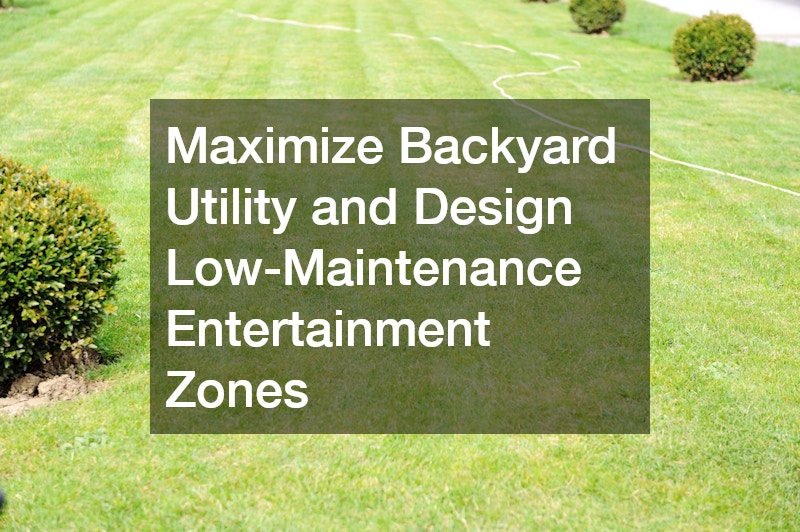
The modern dream home extends far beyond the back door. Expanding your living space outdoors efficiently and beautifully is a hallmark of luxury property development. However, creating a stunning backyard requires balancing aesthetics with heavy utility. You want a space that looks like a resort but functions perfectly for everyday family life, entertaining, and outdoor storage, all without requiring a weekend’s worth of backbreaking maintenance every single week.
The secret to a successful outdoor space is designing for longevity over initial cost. When planning outdoor platforms, dining areas, or seating arrangements, you must analyze the long-term return on investment of various materials. For instance, opting for high-quality composite decking might carry a higher upfront price tag than traditional pressure-treated lumber, but it eliminates the need for annual power washing, sanding, and staining. It will not splinter, warp, or succumb to termite damage, saving you countless hours and dollars over a twenty-year span. Similarly, you must evaluate the spatial footprint for auxiliary storage early in the landscape design. Partnering with skilled shed builders allows you to site utility structures—for lawnmowers, seasonal decor, or pool toys—so they do not become visual eyesores. A well-designed utility structure can be customized with matching paint, cohesive architectural rooflines, and decorative hardware so it blends seamlessly into the broader landscape architecture.
To craft a functional and beautiful backyard, focus on these essential strategies:
-
Create Seamless Indoor-Outdoor Transitions: Plan your sightlines and physical access points carefully. Using large sliding glass walls, continuous flooring materials that extend from the living room to the patio, and matched ceiling heights can make your backyard feel like a natural, uninterrupted extension of your interior living space.
-
Map Out Micro-Zones: Break a large yard into specific functional zones. Designate distinct areas for dining, lounging, cooking, and play. This prevents the yard from feeling like one massive, undefined expanse and creates intimate, purposeful spaces.
-
Invest in Subterranean Infrastructure: Before laying down patios or planting expensive trees, ensure your yard has proper drainage systems, irrigation lines, and electrical conduits buried underground. Fixing a drainage issue after a luxury patio is installed is a costly nightmare.
-
Select Native and Drought-Tolerant Landscaping: Reduce your water bill and your weekend weeding hours by choosing plants that are native to your region. They naturally thrive in your soil and climate, requiring far less chemical intervention and supplemental watering to look lush and green.
Audit Existing Infrastructure for Luxury Leisure Upgrades

For many, the ultimate dream home is not complete without high-end bespoke additions and complex aquatic upgrades that rival five-star resorts. Whether you are adding a sprawling outdoor kitchen, a custom sauna, a massive koi pond, or overhauling an existing swimming area, these luxury leisure upgrades require a highly specialized approach. These are not standard building projects; they are complex engineering feats that involve massive amounts of water, electricity, and structural weight.
Before dreaming of cascading waterfalls, infinity edges, or swim-up bars, you must have an expert audit your existing infrastructure. This is especially vital for comprehensive pool renovations on older properties. An expert must thoroughly inspect the existing plumbing lines for leaks, evaluate the main electrical panels to ensure they can handle the increased load of new heaters and lighting, and test the soil stability to ensure it can support heavy new masonry without sinking. Once the infrastructure is verified, prioritize energy-efficient equipment. You can offset the massive running costs of luxury aquatic features by demanding variable-speed pumps, high-efficiency heat pumps, and smart-home integration for automated, scheduled heating and cleaning cycles.
To successfully execute these complex luxury upgrades, consider the following critical steps:
-
Source Niche Artisans for Personalized Touches: Know when to step away from volume builders and hire highly specialized craftspeople. If you want bespoke stonework, complex home theater acoustics, or highly customized landscape architecture, you need artisans who focus exclusively on those tiny niches. Their specialized custom home services are what separate a standard luxury build from a truly unique, one-of-a-kind masterpiece.
-
Plan for Year-Round Usability: If you are investing heavily in outdoor leisure, make sure you can use it for more than three months a year. Incorporate integrated patio heaters, built-in fire pits, and automated weatherproof enclosures to extend your outdoor living season into the cooler months.
-
Focus on Acoustic Engineering: Water features, outdoor speakers, and pool pumps can generate significant noise. Work with designers to position mechanical equipment far from lounging areas, use acoustic fencing if necessary, and design waterfalls to produce a soothing ambient sound rather than a disruptive roar.
-
Prioritize Safety Without Sacrificing Style: Luxury aquatic and leisure zones must be intrinsically safe. Investigate frameless glass barriers that meet safety codes without ruining your sightlines, ensure all outdoor decking materials have high slip-resistance ratings, and install adequate ambient lighting to prevent nighttime accidents.
Conclusion
Creating a residence that perfectly encapsulates your vision, lifestyle, and aesthetic preferences is an extraordinary undertaking. It is the culmination of dozens of highly skilled experts working in perfect harmony, orchestrated by your vision and careful planning. The meticulous vetting process required at the very beginning of the journey might feel exhausting, but it is the ultimate safeguard for your investment. Taking the time to ask hard questions, demand transparent contracts, and verify the credentials of every team member up front will save you thousands of dollars and months of devastating stress on the back end of the build.
Remember that as the owner and visionary of the project, you are in control. Trusting your gut during the interview and bidding process is just as vital as checking formal references. If communication feels strained during a consultation, or if a contractor seems dismissive of your specific concerns, that is a clear signal to look elsewhere, regardless of how impressive their portfolio might be. A successful build is built on mutual respect, transparent communication, and an unwavering commitment to quality.
As you look toward the future of your property, take the first definitive step today. Sit down and begin drafting your master wish list, categorizing your absolute must-haves versus your nice-to-haves. With that list in hand, begin scheduling introductory calls with local professionals to gauge market availability and timeline expectations. By approaching the process with rigorous preparation and an insistence on excellence, you will ensure that the team you assemble is more than capable of transforming your blueprints into the ultimate reality.