Understanding the core differences between furnace installation, maintenance, and repair is crucial for keeping your home comfortable throughout the year. Each of these facets plays a vital role in the overall performance and longevity of your furnace system.
Furnace Installation
Furnace installation is the foundation upon which the efficiency and functionality of a heating system are built. During the installation phase, careful selection of a suitable furnace unit based on the home’s heating requirements is essential.
The process usually involves several steps, such as preparing the site, ensuring correct ductwork connections, and installing the right type of thermostat. Proper installation by a licensed professional guarantees that the furnace operates at maximum efficiency. Choosing the right size of furnace is crucial because an oversized or undersized unit can lead to increased energy consumption and uneven heating.
The furnace installation process also requires adherence to local building codes and regulations. Compliance with these standards ensures safety and supports optimal performance. Furthermore, expert installers conduct a series of tests to confirm that all components are functioning properly. This includes checking the electrical connections, gas pressure levels, and airflow systems. Post-installation, it is vital to register the furnace with the manufacturer to activate the warranty, which offers protection against certain defects.
Aside from technical aspects, homeowners should consider the environmental benefits of various furnace types. Energy-efficient furnaces can significantly reduce carbon footprints and utility expenses. Many modern furnaces come with features such as variable-speed blowers and smart thermostats that enhance energy efficiency. The decision to opt for eco-friendly models should be weighed against the initial investment costs. In the long run, however, such choices not only benefit the environment but also lead to substantial savings on energy bills.
Furnace Maintenance
Regular furnace maintenance is essential for extending the lifespan of the unit and preventing unexpected breakdowns. A well-maintained furnace operates more efficiently, ensuring prompt and consistent heating throughout the home. Typical maintenance activities include checking and replacing air filters, cleaning burner assemblies, and inspecting duct systems. A professional tune-up at least once a year can identify issues before they escalate into costly repairs. This preventive approach saves homeowners from discomfort and keeps repair expenses in check.
It is also important to monitor the thermostat settings and ensure that they are accurate and responsive. Incorrect settings can lead to unnecessary energy use and strain on the heating system. Simple tasks, such as ensuring the area around the furnace is free of debris and objects, help maintain optimal airflow and operation. Engaging in these routine checks allows for minor issues, such as loose fittings or minor leaks, to be addressed before they worsen. Homeowners are encouraged to refer to the furnace’s manual for specific maintenance instructions tailored to their model.
In addition to routine maintenance, awareness of operational anomalies is key to recognizing potential threats to furnace health. Noises such as rattling, buzzing, or whining often indicate problems that require professional assessment. It is advisable to keep a maintenance log that records service activities and any changes made to the system. This log serves as a valuable resource for technicians, helping them to provide more targeted assistance. Ensuring that the furnace receives the necessary attention ultimately promotes safety and enhances indoor air quality.
Furnace Repair
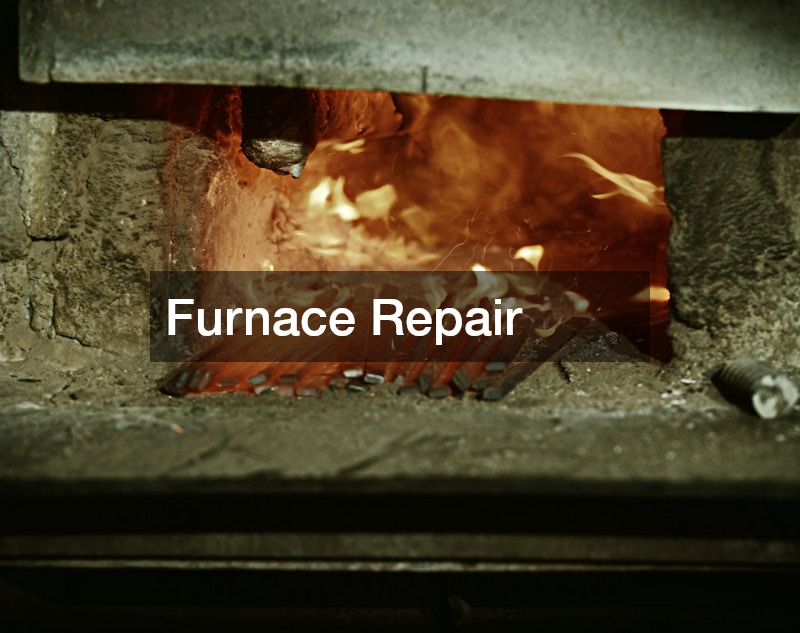
When issues arise despite regular maintenance, furnace repair becomes unavoidable to restore the system’s efficiency. Identifying early signs of malfunction, such as uneven heating or frequent cycling, can prevent more serious repairs. Addressing repairs promptly not only aids in maintaining comfort but also enhances energy efficiency by minimizing energy waste. In many cases, repairs involve replacing worn-out components like belts, motors, or heat exchangers. It is essential to hire qualified technicians who have the expertise to manage complex repair tasks properly.
During repair sessions, technicians perform diagnostics to pinpoint the root causes of issues. This might include examining the ignition system, inspecting wiring connections, or testing safeties and controls. The goal is to not only fix existing problems but also prevent future occurrences by making necessary adjustments. Sometimes, seemingly simple repairs might highlight underlying issues, necessitating a more comprehensive approach. Since emergency repairs can be expensive, regular maintenance remains a cost-effective measure to minimize such occurrences.
Communication between homeowners and repair technicians also plays a crucial role during the repair process. Clear descriptions of symptoms can assist technicians in diagnosing and resolving problems more effectively. Understanding the recommendations provided by the specialists enables homeowners to make informed decisions. Additionally, comparing service warranties and guarantees from different providers ensures peace of mind. Being proactive about furnace repair helps avoid major disruptions and ensures continuous and efficient heating.
Understanding the differences between furnace installation, maintenance, and repair is critical for achieving a reliable and efficient heating system. By prioritizing professional furnace installation, engaging in regular maintenance, and addressing repairs promptly, homeowners can enjoy consistent warmth while optimizing the system’s performance. Adopting an informed and proactive approach to furnace care extends its lifespan and enhances overall home comfort.