As temperatures rise, your air conditioner becomes one of the most critical systems in your home. When it is not operating efficiently, comfort declines quickly, and energy costs can climb just as fast. Many homeowners do not realize their system is struggling until it fails on the hottest day of the year. Recognizing early warning signs allows you to address issues proactively and avoid inconvenient breakdowns. This article outlines the most common indicators that your air conditioner may need a tune-up before summer demand peaks.
Why Is My Air Conditioner Not Cooling Effectively?
Restricted airflow is one of the most common reasons an air conditioner fails to cool properly. Clogged or dirty air filters limit the amount of air moving through the system, reducing its ability to distribute cool air evenly throughout the home. Blocked or closed vents can also create pressure imbalances that strain the system and reduce performance. In some cases, airflow problems stem from issues deeper within the system, such as dirty evaporator coils or ductwork obstructions. When airflow is compromised, the unit must run longer to reach the desired temperature, increasing wear and energy usage. A professional inspection can identify and correct these issues before they escalate.
A malfunctioning thermostat can cause inconsistent or inadequate cooling even when the air conditioner itself is functioning properly. If the thermostat is incorrectly calibrated, placed in a poor location, or experiencing electrical issues, it may misread indoor temperatures and send inaccurate signals to the system. Symptoms include rooms feeling warmer than the thermostat setting or the system failing to turn on or off as expected. Addressing thermostat issues during an air conditioner tune up helps ensure accurate temperature control and consistent comfort throughout the home.
Refrigerant is essential for the cooling process, and low levels directly impact system performance. If your air conditioner is blowing warm or mildly cool air, a refrigerant leak may be the cause. Leaks not only reduce cooling efficiency but can also damage the compressor if left unaddressed. Signs of refrigerant issues include ice buildup on the coils, hissing sounds near the unit, or a noticeable decline in cooling capacity. Refrigerant problems should always be handled by a qualified professional, as proper handling and repair are critical for both safety and system longevity.
What Causes Unusual Noises From My Air Conditioner?
Air conditioners contain many moving parts, including fans, motors, and fasteners. Over time, normal operation can cause components to loosen. When this happens, rattling, clanking, or banging noises may occur during operation. While these sounds may seem minor initially, loose components can lead to more serious mechanical damage if not secured promptly. Identifying and tightening these parts during routine maintenance helps prevent costly repairs later.
Some air conditioning systems use belts to drive fans or other components. As belts age, they can wear down, crack, or lose tension. This often results in squealing or screeching noises when the system runs. Ignoring belt issues can lead to sudden failures and system shutdowns. Replacing worn belts during maintenance is a simple step that can significantly improve reliability and reduce noise.
A motor that is dirty, overworked, or nearing failure may produce humming, buzzing, or grinding noises. Dust buildup and lack of lubrication increase friction, causing the motor to strain under normal loads. Motor-related noises should not be ignored, as continued operation can lead to complete motor failure. Preventive maintenance allows technicians to clean, lubricate, and assess motor condition before it becomes a critical issue.
How Can Increased Energy Bills Indicate a Problem?
When an air conditioner loses efficiency, it consumes more energy to achieve the same level of cooling. If you notice a steady rise in energy bills without a corresponding increase in usage or outdoor temperatures, your system may be working harder than it should. Efficiency losses often result from dirty components, airflow restrictions, or mechanical wear. Addressing these issues restores performance and helps control operating costs during peak summer months.
Older air conditioners naturally become less efficient over time as components wear and technology advances. While age alone does not always require replacement, it does increase the importance of regular maintenance. An aging system that has not been serviced recently may benefit significantly from a tune-up, improving efficiency and extending its remaining lifespan. Maintenance also provides insight into whether future replacement planning is advisable.
Short cycling occurs when an air conditioner turns on and off more frequently than normal. This behavior increases energy consumption and places additional stress on components. Causes range from thermostat issues and airflow restrictions to oversized equipment or refrigerant problems. Frequent cycling is a clear signal that the system is not operating optimally. Correcting the underlying cause improves comfort, reduces wear, and stabilizes energy usage.
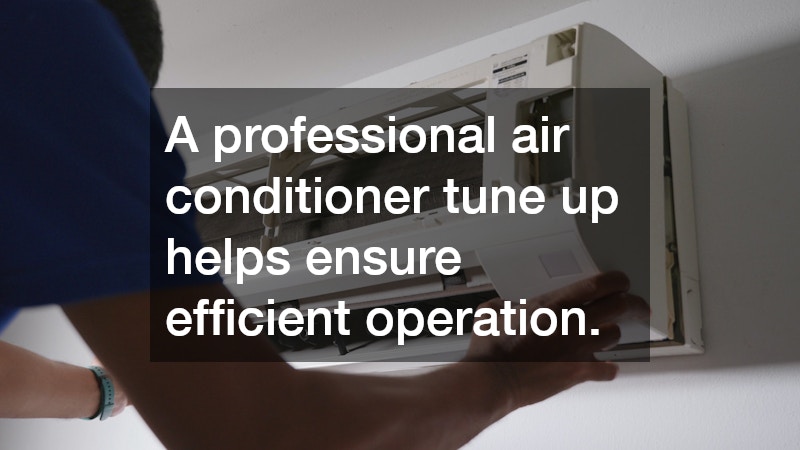
As summer approaches, paying attention to early warning signs can make a significant difference in comfort, reliability, and cost control. Poor cooling performance, unusual noises, and rising energy bills are all indicators that your system may need attention. Scheduling maintenance before peak demand allows issues to be addressed on your timeline rather than during an emergency. A professional air conditioner tune up helps ensure efficient operation, prevents unexpected breakdowns, and keeps your home consistently cool throughout the summer season.